Strategic Timing of the Allegations
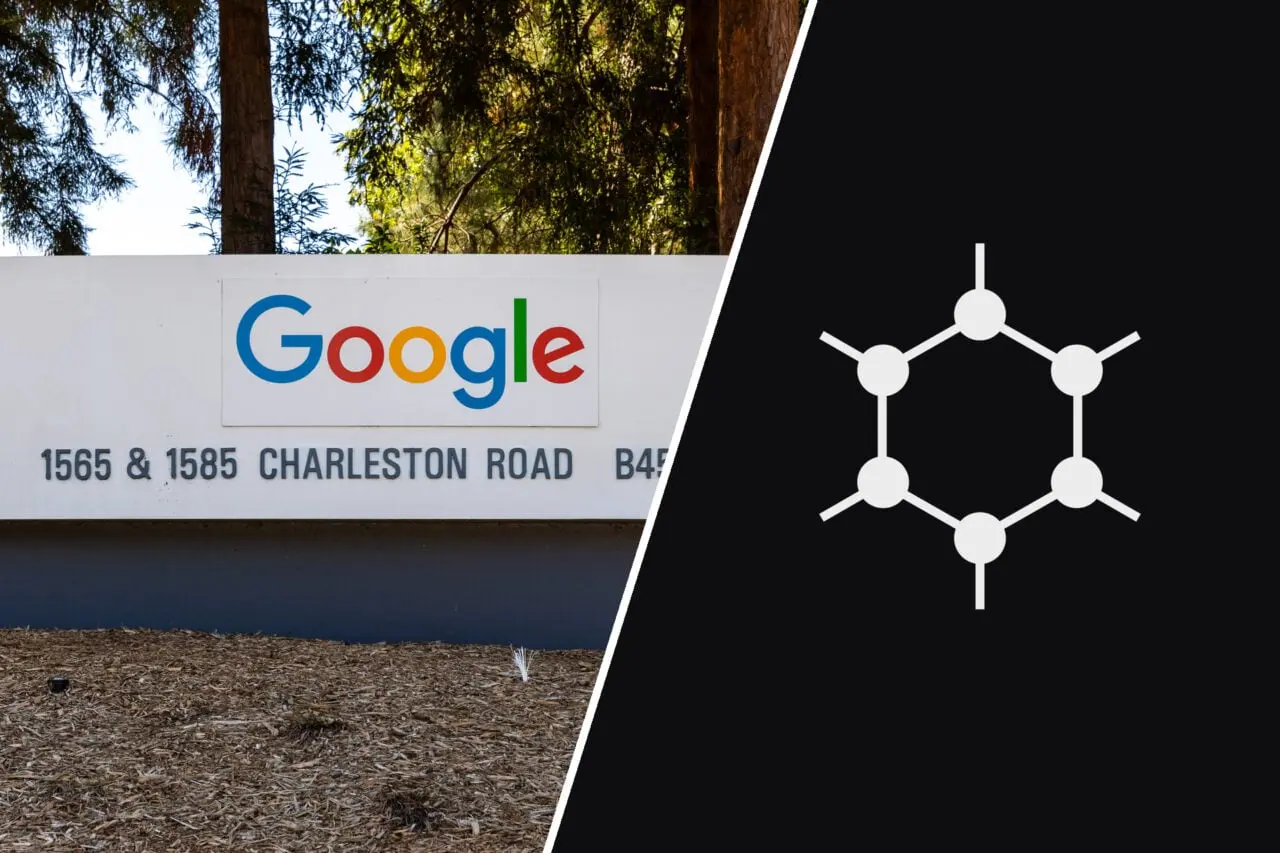
The creators of GrapheneOS, a privacy-focused Android alternative, publicly accused Google of threatening device manufacturers. This confrontation emerged on Thursday, just days before a major hardware partnership with Motorola was set to launch. The timing places the dispute at a critical juncture for the independent operating system project.
Latest news
 Smart TVs frequently lose their Wi-Fi connection, leaving viewers staring at a spinning loading icon
 Why Ignoring Car Software Updates Is Risky
 Apple's foldable iPhone Duo introduces dual-display multitasking capabilities
 FCC Weighs Reciprocal Limits on Foreign Satellite Firms
GrapheneOS has traditionally relied on Google’s own Pixel smartphones to distribute its secure software. However, the project is now expanding its reach beyond the Google ecosystem. The upcoming release of the Motorola Signature 27 marks a significant step in this diversification strategy. This new device allows users to access GrapheneOS without needing a Pixel phone.
The accusations land precisely as the Motorola device moves from development to market availability. GrapheneOS claims Google is actively discouraging partners from collaborating with their team. Such pressure would undermine the project’s ability to offer users a choice in secure mobile operating systems. The developers argue that this behavior restricts competition in the mobile security sector. They view the threat as an attempt to maintain a monopoly on Android-based security solutions.
Does This Threaten Future Hardware Deals?
The relationship between open-source projects and major tech corporations is often complex. Google controls the Android platform, which underlies most smartphones globally. GrapheneOS modifies this base code to enhance user privacy and security. By partnering with Motorola, the project seeks to validate its software on non-Google hardware. This move challenges the assumption that only Pixel devices can run the most secure versions of Android.
The controversy highlights the tension between innovation and platform control. Independent developers often face hurdles when trying to distribute software through official channels. Google’s alleged actions suggest a defensive posture to protect its hardware partnerships. Critics argue that such tactics stifle consumer choice and slow down security improvements. Supporters of GrapheneOS believe the project offers necessary protections that standard Android lacks.
The outcome of this dispute could influence how other manufacturers view third-party operating systems. If Google successfully pressures partners, it may discourage future collaborations with independent OS developers. This could limit the availability of secure alternatives for consumers. Conversely, if GrapheneOS proceeds with the Motorola launch, it demonstrates resilience against corporate pressure. The success of the Signature 27 will serve as a test case for broader adoption.
The mobile industry is increasingly concerned with data privacy and security. Users are becoming more aware of the risks associated with standard operating systems. GrapheneOS aims to fill this gap by providing a hardened environment for daily use. The project’s ability to scale depends on its hardware partnerships. Any interference from Google could delay these efforts significantly.
Frequently Asked Questions
What is GrapheneOS? GrapheneOS is a privacy-focused mobile operating system based on Android. It is designed to provide enhanced security features beyond the standard platform. It currently supports Google Pixel phones and is expanding to Motorola devices.
Why is the Motorola partnership significant? This partnership allows GrapheneOS to operate on hardware not manufactured by Google. It reduces the project’s dependency on a single vendor. This expansion is crucial for growing the user base and validating the software’s compatibility.
When does the Motorola device launch? The Motorola Signature 27 is scheduled to go on sale this week. The launch coincides with the public accusations made by the GrapheneOS team. This timing suggests a direct correlation between the product release and the conflict.
Comments
Leave a comment