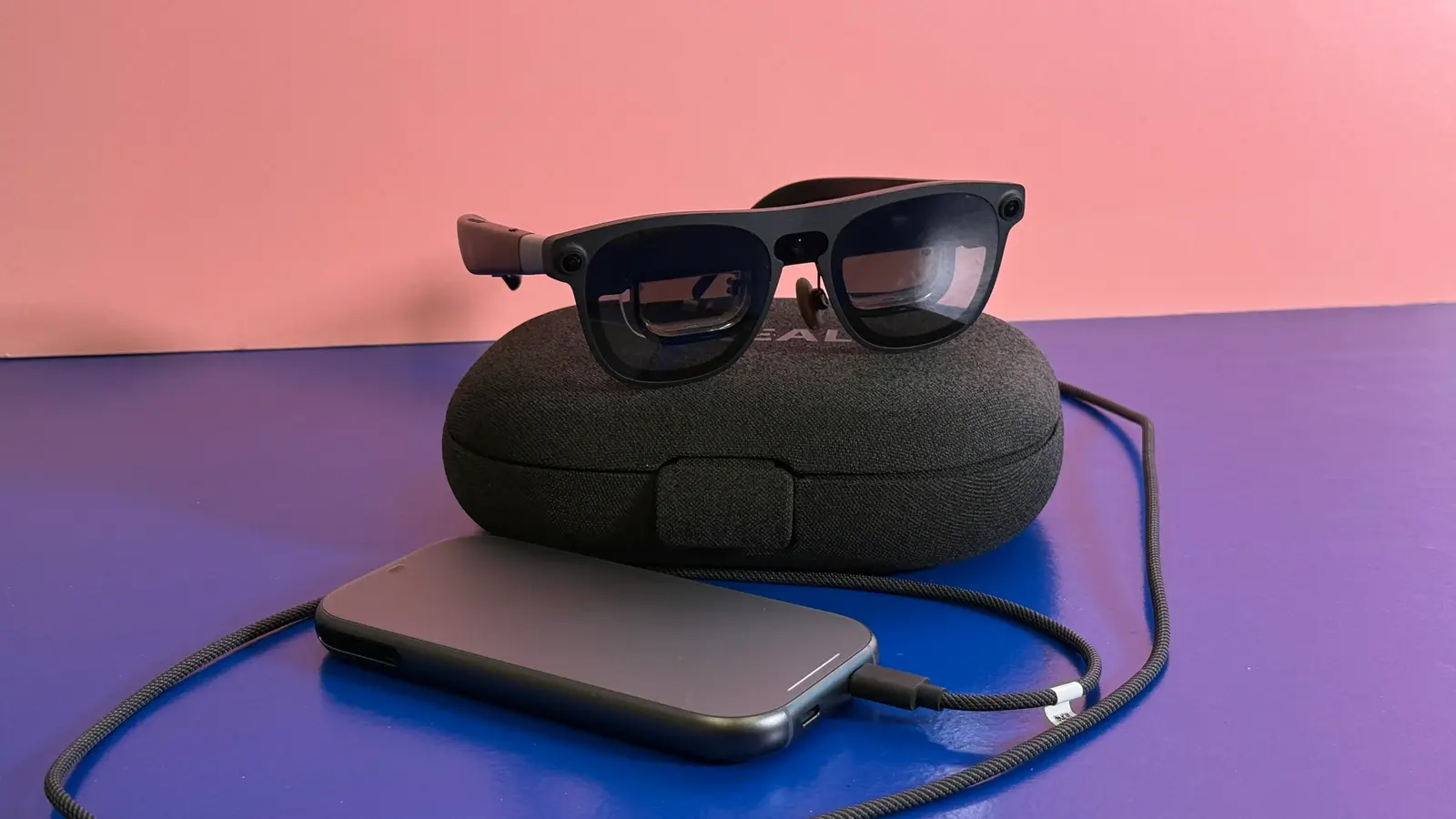
How the Aura Redefines Portable Mixed Reality
The Xreal Aura, unveiled this month, is a compact mixed‑reality headset that blurs the line between virtual reality and smart glasses. Developed by the Chinese firm Xreal, the device runs Android apps on a transparent display and can double as an external monitor for laptops via USB‑C. Early testers praise its portability and battery life, while noting quirks that hint at the technology’s growing pains.
Latest news
 Smart TVs frequently lose their Wi-Fi connection, leaving viewers staring at a spinning loading icon
 Why Ignoring Car Software Updates Is Risky
 Apple's foldable iPhone Duo introduces dual-display multitasking capabilities
 FCC Weighs Reciprocal Limits on Foreign Satellite Firms
Designed to sit like a pair of oversized spectacles, the Aura offers a surprisingly large viewing area for its size. Its crisp, high‑resolution panel delivers sharp images, and the built‑in Gemini camera tracks both the surrounding environment and on‑screen content. Users can launch multiple Android applications simultaneously, switching between them with a touchpad or hand gestures. The headset also functions as a secondary display for other devices, extending productivity beyond the traditional laptop screen.
The Aura’s most striking feature is its ability to run Android software without tethering to a phone. By integrating a full Android OS, the headset lets users browse the web, watch videos, or play games directly on the glass. The Gemini camera feeds a live view of the real world into the display, enabling augmented overlays that respond to hand movements. This combination of virtual and real‑world inputs creates a seamless mixed‑reality experience, albeit one that sometimes feels experimental.
Will Glasses‑Style VR Replace Traditional Headsets?
Battery endurance sets the Aura apart from many VR headsets, lasting several hours of continuous use. Its lightweight construction makes it comfortable for short sessions, though the bulkier frame may cause fatigue during extended wear. The touchpad on the side of the device offers tactile feedback, while hand‑tracking adds a futuristic feel, though accuracy can vary in low‑light conditions.
Industry observers wonder if devices like the Aura signal a shift away from bulky VR headsets toward sleek, glasses‑like wearables. The Aura’s ability to act as a portable monitor suggests a broader use case beyond gaming, targeting professionals who need dual screens on the go. However, the limited field of view and occasional tracking glitches indicate that the technology is still maturing. If manufacturers can refine ergonomics and improve sensor reliability, glasses‑style VR could become a mainstream tool for both work and entertainment.
The Aura’s mixed‑reality capabilities hint at a future where digital content blends naturally with everyday surroundings. As developers create apps tailored to this format, users may find new ways to collaborate, learn, and play without the encumbrance of traditional headsets. For now, the Xreal Aura stands as a compelling prototype, showcasing both the promise and the current limitations of this emerging class of devices.
Frequently Asked Questions
What operating system does the Xreal Aura use? The Aura runs a full Android operating system, allowing it to launch and multitask between native Android apps without needing a separate smartphone.
Can the Aura be used as an external monitor for a laptop? Yes, by connecting a USB‑C cable, the Aura functions as a secondary display, extending the laptop’s screen real estate for productivity or media consumption.
How long does the battery last during typical use? The headset’s battery supports several hours of continuous operation, outlasting many conventional VR headsets and making it suitable for short‑term tasks or travel.
Comments
Leave a comment