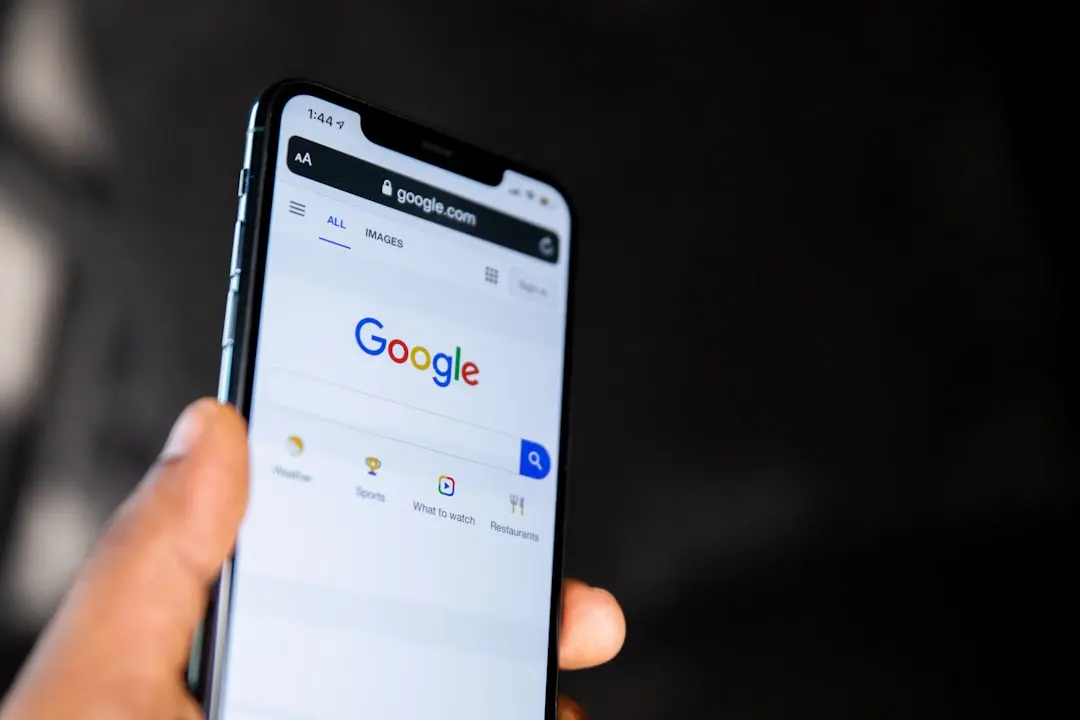
Why Google Is Targeting Mac Users Now
The tech giant is reportedly preparing a standalone Google app for macOS, according to a recent analysis of the Google Play Services update. Android Authority discovered a direct reference to a macOS version inside the code, suggesting the company could soon extend its desktop suite beyond the Windows platform. The hint arrives months after Google introduced a similar app for Windows PCs and a Gemini‑branded version for Macs earlier this year.
Latest news
 Anker Unveils Playful 45W Charger With Animated Face Display
 Google Docs Web Version Still Missing Native Dark Mode
 Anthropic-Linked Vulnerability Exploited From China, Targets US and Japan
 Text‑Based AI Agents: Your New Digital Assistants
The discovery stems from a deep dive into the latest Google Play Services package, where engineers identified a string pointing to a macOS‑specific binary. This clue aligns with Google’s broader strategy to bring its consumer services—such as Photos, Drive, and Gmail—closer to desktop users in a unified experience. By packaging these tools into a single app, Google hopes to simplify access, reduce reliance on web browsers, and compete more directly with Microsoft’s Office and Apple’s native productivity suite.
Google’s push into the Mac market reflects shifting user habits. More professionals rely on macOS for creative work, yet they still need seamless integration with Google’s cloud services. A dedicated app could offer tighter synchronization, background updates, and offline capabilities that the current web interfaces lack. Industry analysts note that Google’s recent Gemini AI integration on Macs demonstrated the company’s willingness to experiment with native macOS features, paving the way for a broader app ecosystem.
Will the New Mac App Replace Existing Google Web Services?
The internal reference also hints at a possible rollout timeline. Historically, Google has taken several months to transition from code hint to public release, suggesting a potential launch in late 2024 or early 2025. If the app follows the Windows model, it will likely bundle core services—Search, Maps, YouTube, and the AI‑driven Gemini—into a single, easily accessible dock icon. Early testers of the Windows version reported smoother performance and reduced memory usage compared to juggling multiple browser tabs.
While the upcoming app could centralize many functions, it is unlikely to make Google’s web portals obsolete. Users who prefer browser-based workflows will still have full access to the same services. However, the app may become the default entry point for casual users and those who value offline access. By offering native notifications, system‑level shortcuts, and tighter integration with macOS features like Spotlight and Siri, Google aims to make its ecosystem feel more like an operating system extension rather than a collection of web pages.
If the app arrives as expected, it could reshape how Mac users interact with Google’s suite, potentially boosting engagement and subscription rates for premium services like Google One. The move also signals a broader trend of cloud providers delivering desktop‑first experiences, challenging the traditional browser‑centric model.
Frequently Asked Questions
What evidence points to a macOS version of the Google app? Analysts found a macOS‑specific binary reference inside the latest Google Play Services update, indicating the code is prepared for a Mac build.
How will the new app differ from using Google services in a browser? The app will likely provide offline access, native notifications, and deeper integration with macOS features, offering a smoother experience than browser tabs.
When can users expect the Mac app to be released? Based on Google’s past rollout patterns, the app could appear in the market by late 2024 or early 2025, though no official date has been announced.
Comments
Leave a comment