This discrepancy prompted a deeper look into the quality of users acquired via
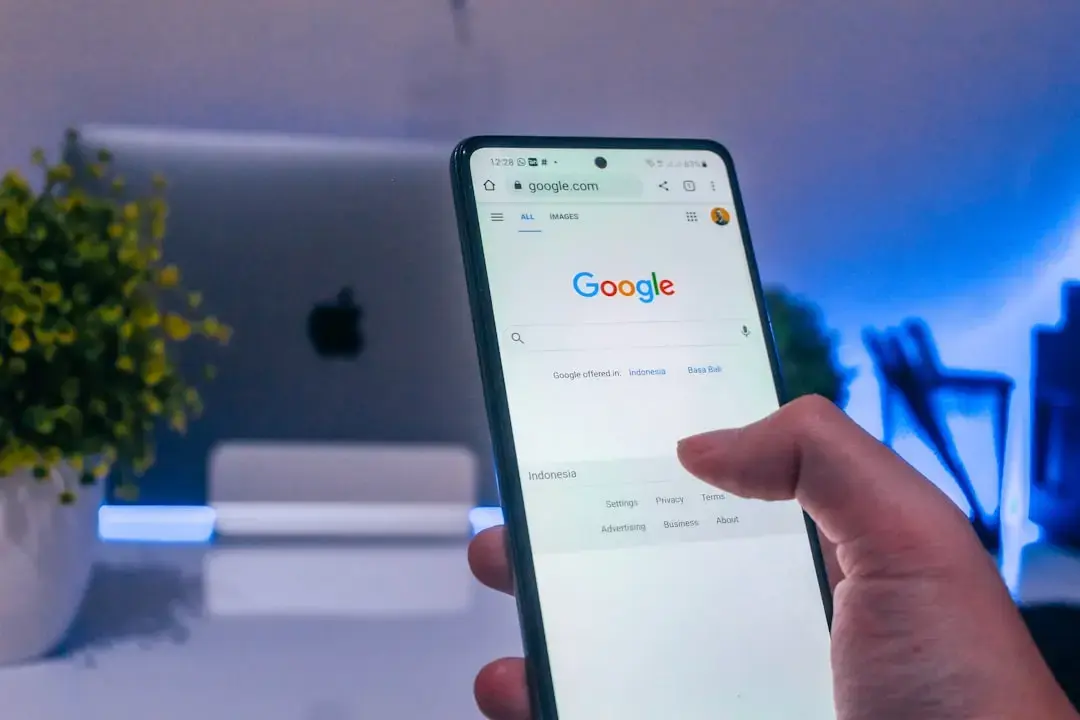
A small indie developer launched a Google Ads campaign for their Android puzzle app, Dayzle, with a daily budget of $40 CAD and a target cost per install of $1.50. After two weeks, analysis showed that nearly 60% of the installs generated were from non-human sources, raising concerns about the effectiveness of app install campaigns on the platform. The developer, who describes themselves as a numbers-driven person, initiated the campaign to optimize user acquisition through data-driven marketing. Initially, the ads spent very little, but as the budget began to fully utilize, the install volume increased—yet a significant portion of these installs exhibited patterns consistent with automated traffic or bot farms.
Latest news
 Anker Unveils Playful 45W Charger With Animated Face Display
 Google Docs Web Version Still Missing Native Dark Mode
 Anthropic-Linked Vulnerability Exploited From China, Targets US and Japan
 Text‑Based AI Agents: Your New Digital Assistants
This discrepancy prompted a deeper look into the quality of users acquired via Google’s app promotion network. How Bot Traffic Skewed Install Metrics The developer tracked post-install behavior and found that a majority of users from the campaign did not engage with the app beyond the initial launch. Many opened the app once and never returned, a behavior atypical of genuine puzzle game enthusiasts. By comparing install timestamps, device models, and geographic patterns, the developer concluded that a substantial number of installs originated from automated scripts or click farms designed to exploit cost-per-install advertising models. What Does This Mean for Small Developers? This experience highlights a growing challenge for independent app creators relying on paid user acquisition: the risk of paying for installs that do not translate into real users or revenue.
While Google Ads offers robust targeting and automation, the platform may still be vulnerable to fraudulent activity, especially in lower-budget campaigns where detection algorithms might be less aggressive. The developer now questions the reliability of install-based metrics as a true indicator of marketing success. Frequently Asked Questions How did the developer identify bot installs? By analyzing low engagement rates, unusual device patterns, and install timing that did not align with typical user behavior. Is Google Ads still viable for app promotion? It can be effective, but developers should monitor post-install metrics and consider using additional fraud detection tools to validate traffic quality.
Comments
Leave a comment