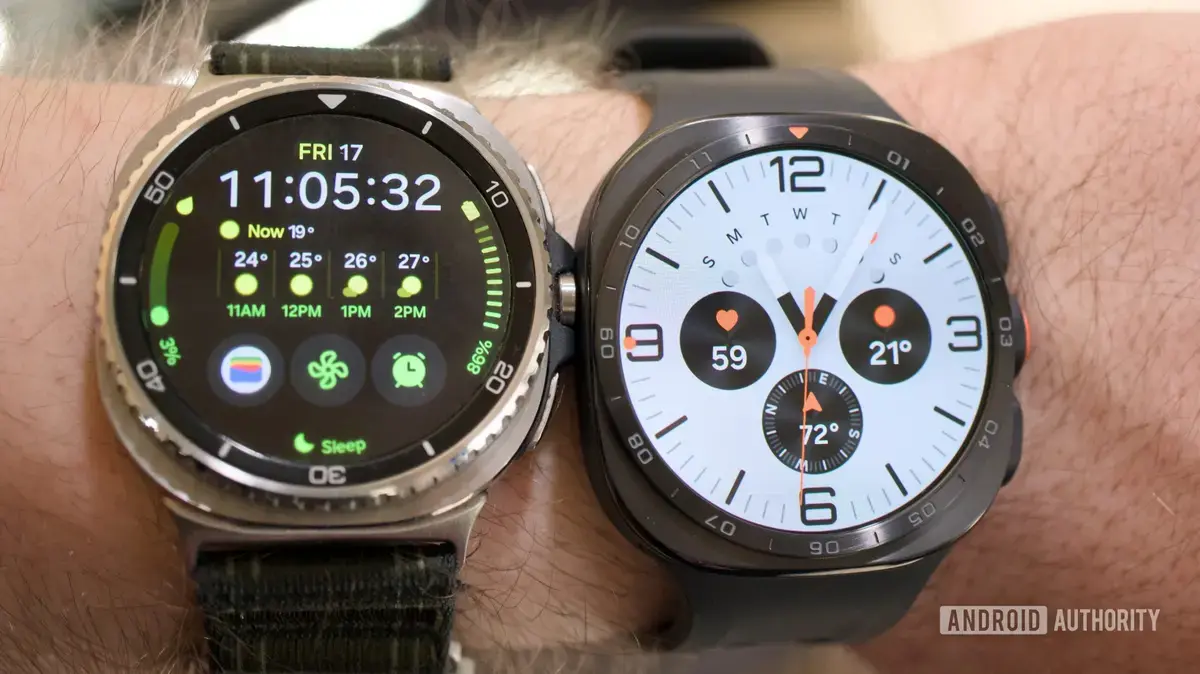
Power-Hungry Performance Upgrade
Samsung released the Galaxy Watch Ultra 2 with an upgraded 800mAh battery. The device is powered by Qualcomm's new Snapdragon Wear Elite chip. Official quotes show no significant increase in battery life.
Latest news
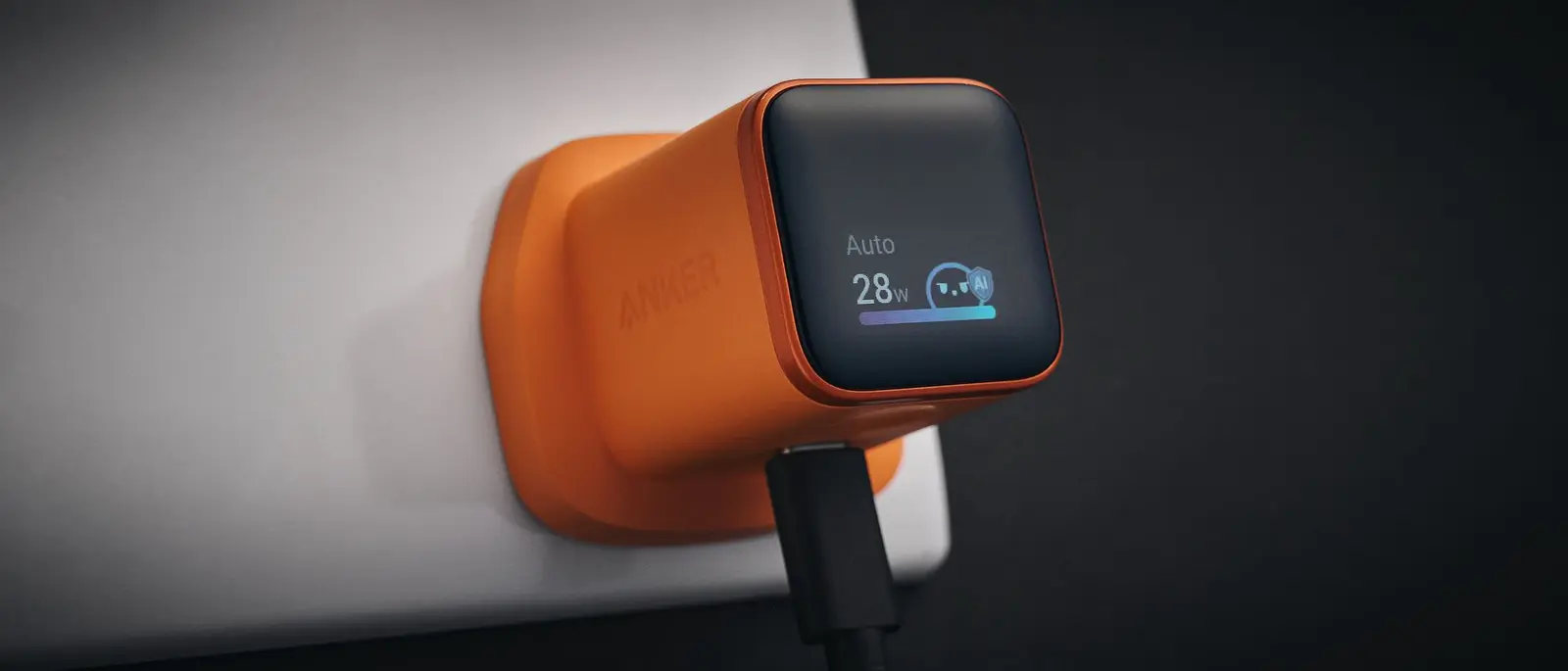 Anker Unveils Playful 45W Charger With Animated Face Display
 Google Docs Web Version Still Missing Native Dark Mode
 Anthropic-Linked Vulnerability Exploited From China, Targets US and Japan
 Text‑Based AI Agents: Your New Digital Assistants
The Galaxy Watch Ultra 2's larger battery was expected to bring substantial improvements. However, it seems the new chip may be offsetting these gains. The Snapdragon Wear Elite is designed to provide better performance and efficiency.
The Snapdragon Wear Elite chip is a significant upgrade over its predecessors. It offers improved processing power and new features. However, this increased performance may come at the cost of battery life.
Is the New Chip Worth the Battery Trade-Off?
Samsung's official quotes suggest the Galaxy Watch Ultra 2's battery life remains largely unchanged. This is despite the notable increase in battery capacity. The new chip's power requirements may be negating the benefits of the larger battery.
The trade-off between performance and battery life is a common challenge in wearable devices. The Galaxy Watch Ultra 2's battery life is still respectable, but users may not see the significant gains they were expecting.
The consequences of this development are unclear. Future wearable devices may need to balance performance and power efficiency more carefully. Users may need to adjust their expectations regarding battery life.
Frequently Asked Questions
What is the battery capacity of the Galaxy Watch Ultra 2? The Galaxy Watch Ultra 2 has an 800mAh battery. This is an upgrade over its predecessor. The larger battery was expected to improve battery life.
Does the Snapdragon Wear Elite chip improve performance? Yes, the Snapdragon Wear Elite chip provides better performance and new features. However, this comes at the cost of increased power consumption.
Will future wearable devices prioritize battery life over performance? Future devices may need to strike a better balance between performance and power efficiency. This could involve optimizing chip design and device configuration.
Comments
Leave a comment