Hardware Choices and Display Limitations
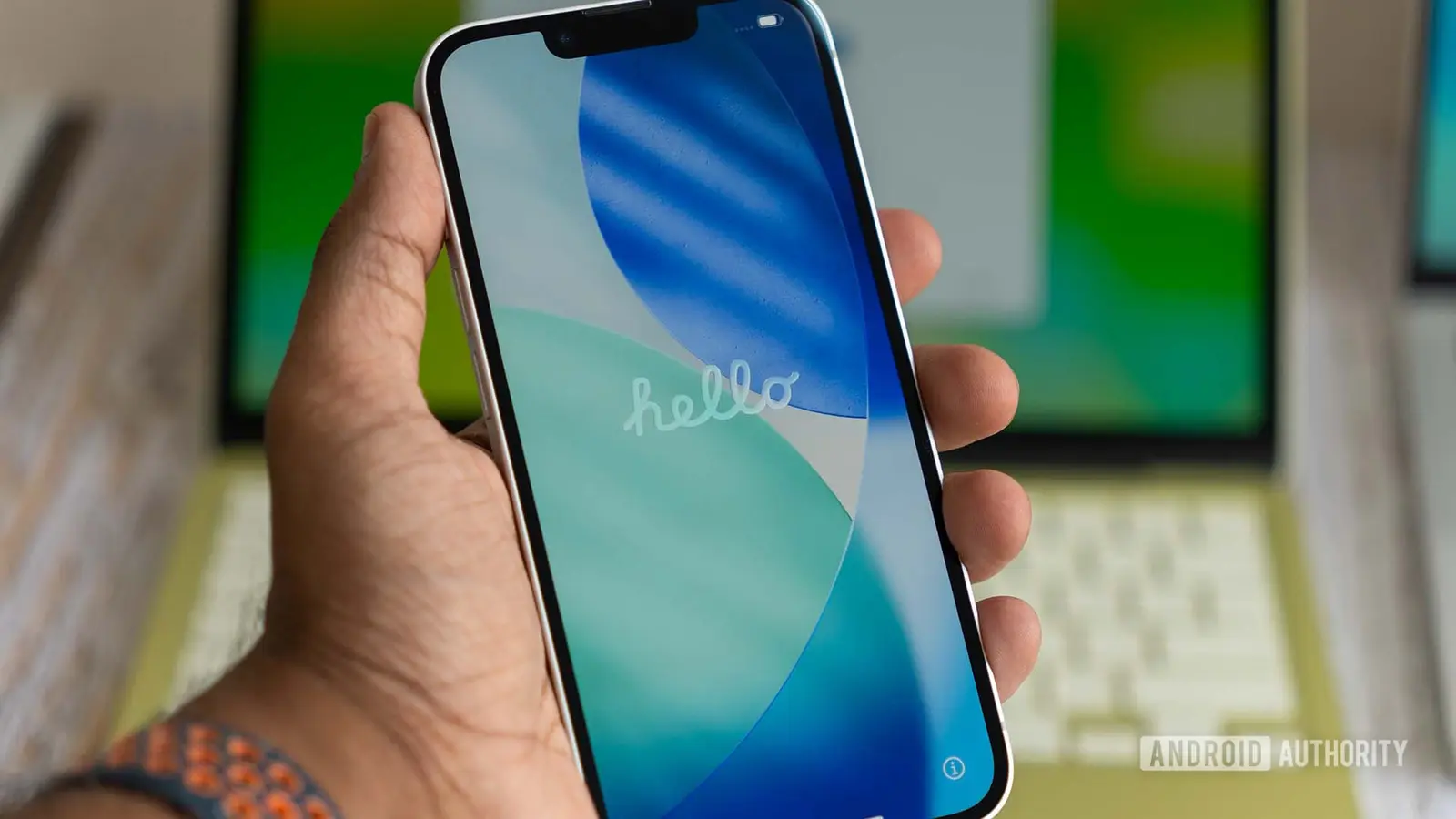
Leaked specifications for the upcoming i Phone 18e suggest Apple will maintain a 60 Hz screen refresh rate for its latest budget-friendly model. Expected to launch in the near future, the device aims to balance performance with affordability. However, the decision to stick with this display technology places it behind many competing Android handsets.
Latest news
 For those on supported carriers, the setup is straightforward
 EU Weighs In on Apple's iPhone Browser Restrictions
 Smart TVs frequently lose their Wi-Fi connection, leaving viewers staring at a spinning loading icon
 Why Ignoring Car Software Updates Is Risky
The internal hardware appears robust, featuring the powerful Apple A20 chip to handle demanding tasks and gaming. Photography duties fall to a single 48MP rear sensor, complemented by a 24MP front-facing camera for selfies. While these components offer significant processing power, the display technology remains a point of contention for potential buyers.
Industry analysts note that while the A20 processor ensures longevity for the i Phone 18e, the screen refresh rate is a glaring omission. Most mid-range Android devices now feature 90 Hz or 120 Hz panels as standard. This discrepancy makes scrolling and animations appear noticeably smoother on competing platforms compared to Apple’s standard display.
Is Apple Falling Behind the Competition?
The choice to retain a 60 Hz screen likely stems from a strategy to differentiate the entry-level model from premium Pro versions. By limiting the display capabilities, Apple preserves the value proposition of its more expensive devices. This approach forces consumers to choose between raw processing speed and a modern, fluid visual experience.
The persistence of lower refresh rates in modern smartphones raises questions about Apple's commitment to baseline user experience. As mobile interfaces become more complex, high-refresh displays have transitioned from a luxury feature to an industry expectation. Without this upgrade, the i Phone 18e may struggle to attract users who prioritize fluid screen interaction.
Ultimately, the i Phone 18e will likely appeal to loyalists who prioritize the Apple ecosystem and raw chip performance over display specs. However, the lack of a high-refresh screen could alienate budget-conscious shoppers comparing the device against feature-rich Android alternatives. Apple’s decision highlights a clear divide in how the company prioritizes internal power versus external hardware standards.
Frequently Asked Questions
What is the primary drawback of the i Phone 18e display? The device is expected to feature a 60 Hz refresh rate, which is significantly slower than the 90 Hz or 120 Hz screens found on many modern Android phones.
What are the core camera specifications for this model? The phone will reportedly include a single 48MP rear camera and a 24MP front-facing camera for high-resolution selfies.
Does the i Phone 18e offer competitive processing power? Yes, the device is tipped to include the Apple A20 chip, which should provide high-end performance comparable to more expensive models in the lineup.
Comments
Leave a comment