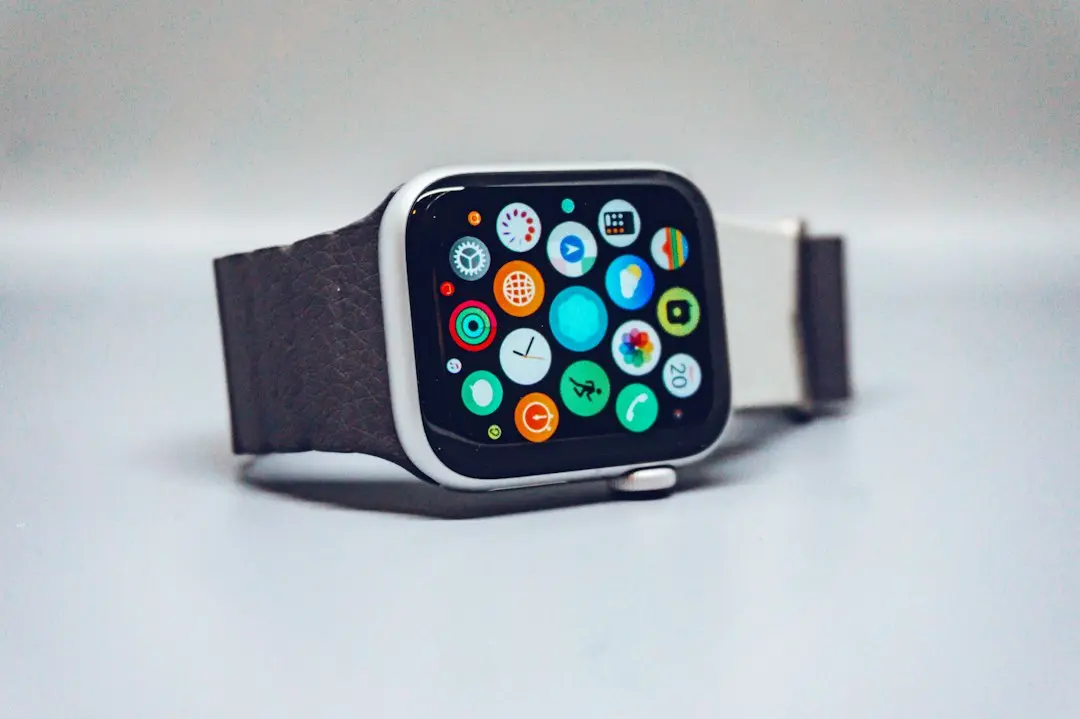
Could Sensor Frequency Be Causing Skin Reactions?
Some owners of Apple Watch Series 12 and Ultra 4 models have reported unexpected skin irritation after wearing the devices, according to discussions on MacRumors forums and Reddit. Users describe a burning sensation and visible redness concentrated beneath the optical heart rate sensor area on the back of the watch. The complaints emerged shortly after the devices were released, with affected individuals noting discomfort during regular daily wear. Apple has not issued an official statement addressing these specific reports as of yet.
Latest news
 Major AI firms recorded peak lobbying expenses last summer
 Apple Magic Keyboards for iPad Drop to Half Price at Woot
 Microsoft Provides Fix for Broken Exchange Online Apps
 Security Breach at AI Aggregator Exposes 18 Million Files and Private Chats
The irritation appears linked to the frequent heart rate monitoring feature, which takes readings every five seconds on both the Series 12 and Ultra 4 models. This increased sensor activity may contribute to prolonged skin contact and potential irritation for sensitive users. Affected individuals mention that removing the watch temporarily alleviates symptoms, though some report needing to adjust the band fit or switch to alternative materials. Medical professionals suggest that friction, sweat accumulation, or material sensitivity could exacerbate reactions under continuous sensor pressure. Apple’s support documentation advises users to keep the watch clean and dry, and to consult a healthcare provider if irritation persists.
What Steps Are Users Taking to Reduce Discomfort?
The optical heart rate sensor in Apple Watch Series 12 and Ultra 4 uses green LED lights to detect blood flow, activating every five seconds by default. This rapid cycling increases the duration of light and heat exposure to the skin compared to older models that sampled less frequently. While Apple states the sensors are safe for all skin types, dermatologists note that individual reactions to prolonged light exposure or adhesive residues in the sensor housing can vary. Users with pre-existing conditions like eczema or nickel sensitivity may be more prone to irritation, though no official data confirms a causal link yet. Apple recommends loosening the band slightly during extended wear to improve airflow.
Many affected users report relief after switching to third-party bands made of silicone, nylon, or leather, which may reduce friction and improve moisture wicking. Others have cleaned the sensor area with a lint-free cloth and water, following Apple’s cleaning guidelines, to remove potential irritants like sweat or lotions. A few have temporarily disabled background heart rate monitoring via the Watch app on their i Phone to test if symptoms improve. Online forums suggest that taking regular breaks from wearing the watch, especially during sleep or workouts, helps minimize prolonged contact. Some users have contacted Apple Support for guidance, though responses have varied from standard troubleshooting to offers of inspection.
Is the skin irritation dangerous or likely to cause long-term harm? Based on current user reports, the irritation appears mild and temporary, resolving when the watch is removed or adjusted. There is no evidence of lasting damage, but persistent symptoms should be evaluated by a doctor.
Frequently Asked Questions
Can I still use heart rate features if I experience irritation? Yes, but consider loosening the band, cleaning the sensor regularly, or wearing the watch less continuously. Disabling background readings may help identify if the sensor is the trigger.
Will Apple replace or repair watches causing skin issues? Apple has not announced a formal replacement program for these reports. Users experiencing problems are advised to contact Support for assessment, which may include inspection or band replacement under warranty.
Comments
Leave a comment