Local Processing Defines New Audio Standards
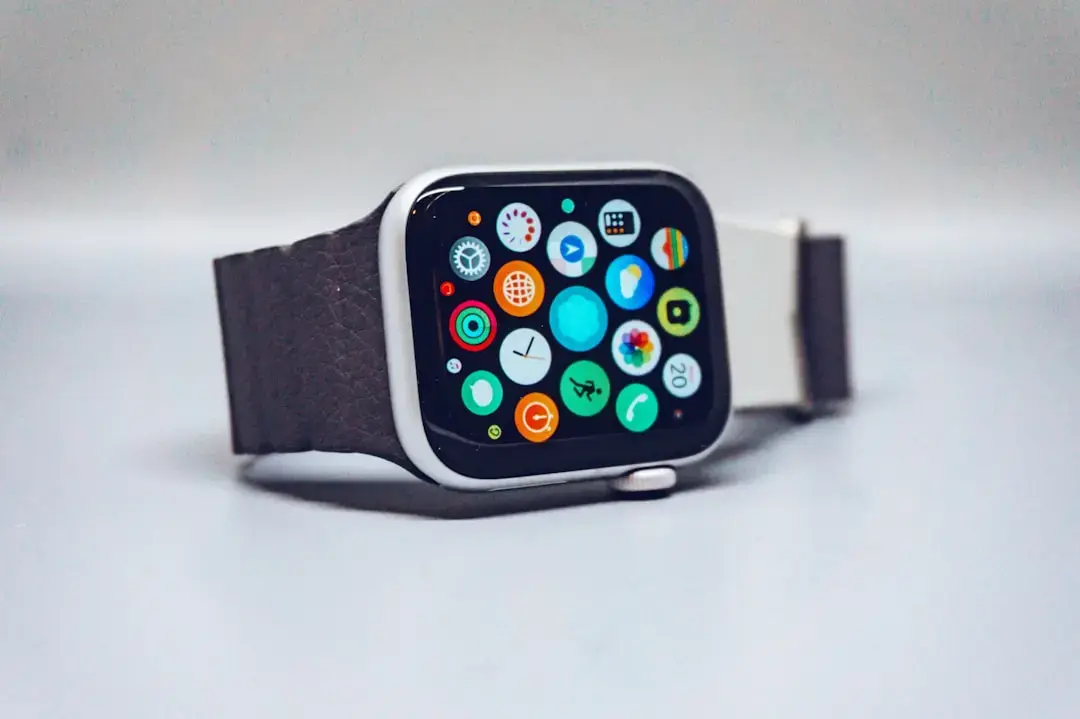
Apple unveiled new artificial intelligence capabilities for its smartwatches during its recent product launch event. The company aims to normalize the concept that personal devices are constantly monitoring audio. This strategic move challenges previous assumptions about data handling in wearable technology.
Latest news
 Anker Unveils Playful 45W Charger With Animated Face Display
 Google Docs Web Version Still Missing Native Dark Mode
 Anthropic-Linked Vulnerability Exploited From China, Targets US and Japan
 Text‑Based AI Agents: Your New Digital Assistants
The announcement occurred at an event marketed around the new i Phone lineup. However, the most significant revelation concerned the Apple Watch ecosystem. Apple stated that the new software will not store raw audio files on servers. Instead, the system processes speech locally to generate transcripts of recent conversations. This approach attempts to balance advanced functionality with the brand’s long-standing commitment to user privacy.
The core innovation lies in how the watch handles voice data. Rather than uploading every sound to the cloud, the device analyzes audio on the hardware itself. This method reduces the need for constant internet connectivity. It also minimizes the risk of external data breaches involving sensitive personal conversations. Apple emphasizes that only the resulting text summaries are retained, not the original sound waves. This distinction is crucial for users who worry about background noise or private discussions being recorded.
Does Privacy Come at a Cost?
The company positioned this feature as a tool for accessibility and convenience. Users can now review what was said in a meeting or conversation without manually typing notes. The AI identifies key points and speakers, creating a searchable history. While Apple claims raw audio is discarded, the act of transcribing implies continuous monitoring. This creates a subtle shift in consumer behavior. People may feel more comfortable wearing a device that listens, knowing it does not upload the actual sound.
Critics argue that even local processing changes the dynamic of digital privacy. When a device transcribes speech, it must distinguish between meaningful dialogue and ambient noise. This requires sophisticated algorithms to run continuously in the background. Battery life becomes a consideration as the processor works harder to maintain these logs. Furthermore, the definition of recent speechremains somewhat ambiguous. Users need clear controls to pause or delete these transcripts easily. Without intuitive interface options, the feature could feel intrusive rather than helpful.
Apple’s strategy relies on trust. The brand has built its reputation on minimal data collection. By keeping audio processing on-device, they align with their historical promises. Yet, the normalization of always-listening tech sets a precedent for other manufacturers. Competitors may follow suit, potentially leading to a market where constant audio monitoring is standard. Consumers will likely demand more transparency regarding how long transcripts are kept and how they can be accessed.
Frequently Asked Questions
Does the Apple Watch upload raw audio to the cloud? No, Apple states that raw audio files are not saved to servers. The device processes the sound locally to create text transcripts, which are then stored.
How does this affect battery life? Continuous audio analysis requires additional processing power. This may lead to slightly faster battery drain compared to models without active AI transcription features.
Can users disable the listening feature? Users can manage settings to control when the watch records and transcribes speech. This allows individuals to turn off the feature during specific activities or times.
Comments
Leave a comment