
Why Apple Is Moving Toward Symbol-Based Key Labels
Apple today quietly introduced updated Magic Keyboard models featuring revised U. S. English key labeling, replacing text labels with symbols on several modifier and navigation keys. The change applies to both compact and full-size versions, with the latter seeing broader updates across the numeric keypad area. The refresh was announced without a formal event or press release, appearing directly in Apple’s online store.
Latest news
 Major AI firms recorded peak lobbying expenses last summer
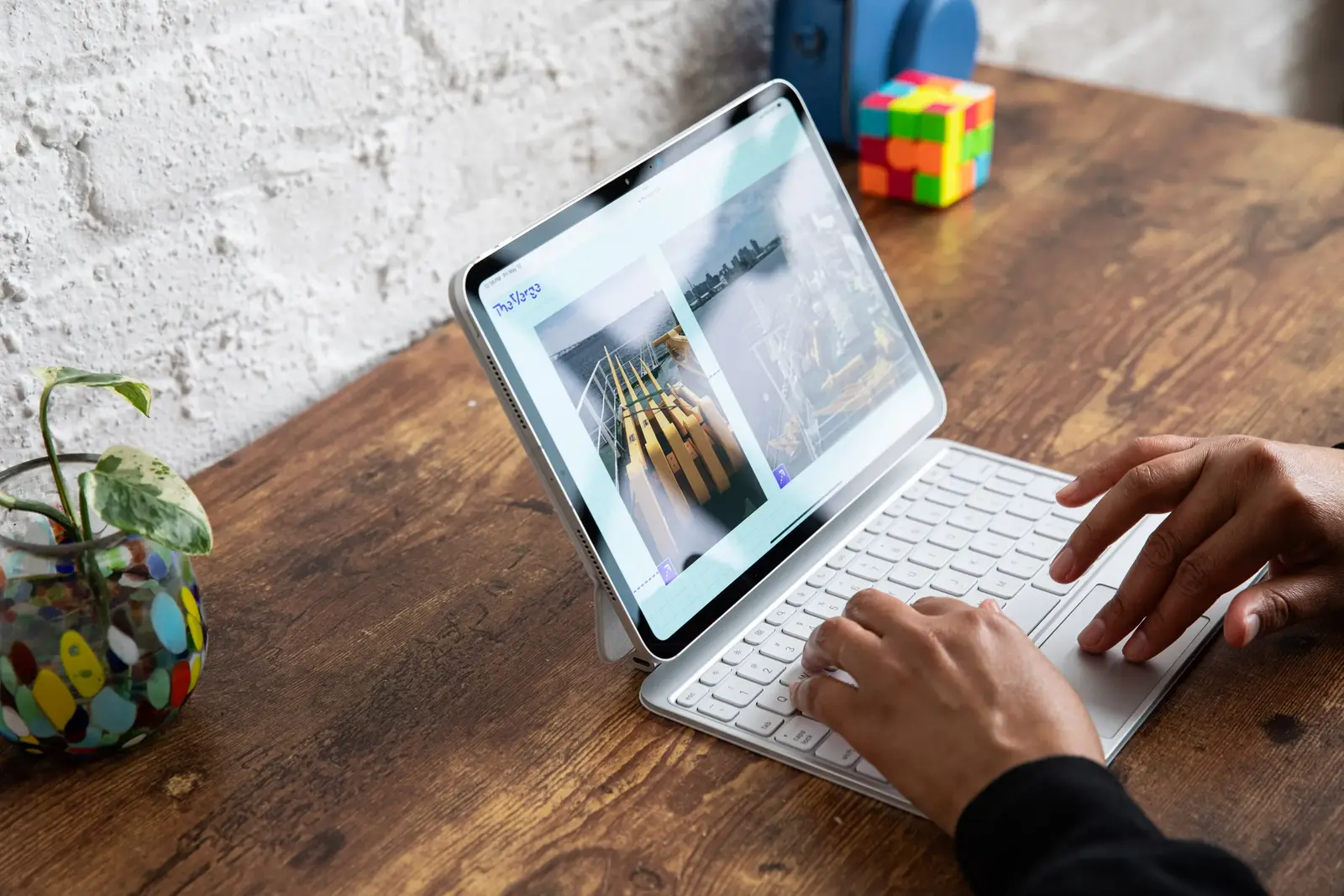 Apple Magic Keyboards for iPad Drop to Half Price at Woot
 Microsoft Provides Fix for Broken Exchange Online Apps
 Security Breach at AI Aggregator Exposes 18 Million Files and Private Chats
The updated keyboards replace traditional edge-printed labels on the tab, caps lock, shift, return, and delete keys with glyph-based icons. On full-size models that include a numeric keypad, the update extends to the home, page up, page down, end, clear, and enter keys, which now also use symbols instead of text. Apple did not alter the keyboard’s physical layout, key travel, or connectivity features, maintaining the same scissor mechanism and Bluetooth pairing as before. The company has not disclosed whether the change reflects user feedback, design evolution, or preparation for future software integration.
The shift to glyph-only labeling aligns with Apple’s broader design language seen across its software interfaces, where icons often replace text for universal recognition. By removing language-specific labels, the keyboards may become easier to sell globally without regional variants, simplifying manufacturing and inventory. This approach also mirrors trends in accessory design where minimalism and visual clarity are prioritized, especially in products used across multiple languages and regions. Apple has not confirmed whether future models will extend this change to other keys or accessories like the Magic Mouse or Trackpad.
Will This Change Affect How Users Learn or Use the Keyboard?
For experienced typists, the change is unlikely to impact muscle memory, as key positions remain unchanged and tactile feedback is identical. However, new users or those relying on visual cues may initially need to adjust to identifying functions by symbol alone, particularly for less frequently used keys like page up or clear. Accessibility advocates note that symbol-only labels could pose challenges for users with cognitive or visual processing differences who benefit from text reinforcement. Apple has not announced plans to offer alternative labeling options or accessibility overlays for the updated models.
The updated Magic Keyboards are now available for purchase through Apple’s website and authorized retailers, priced consistently with previous versions. While the change is subtle, it signals a quiet evolution in how Apple approaches peripheral design—favoring visual consistency and global usability over explicit labeling. Whether this marks the start of a broader shift across Apple’s accessory lineup remains to be seen, but for now, the modification reflects a refined, minimalist direction in hardware detailing.
Frequently Asked Questions
Are the updated Magic Keyboards compatible with older Mac models? Yes, the new Magic Keyboards use the same Bluetooth connectivity and work with any Mac that supports Bluetooth 4.0 or later, including older Intel-based and Apple Silicon models.
Do the glyph labels make the keyboard harder to use for beginners? Some new users may initially rely on text labels to learn key functions, but most adapt quickly through tactile feedback and regular use, especially with commonly used keys like shift or return.
Will Apple release versions with both symbols and text labels? Apple has not indicated plans to offer dual-label variants, suggesting the symbol-only approach is intended as the standard moving forward for U. S. English models.
Comments
Leave a comment