Detecting Hidden Swaps Without Opening Packaging
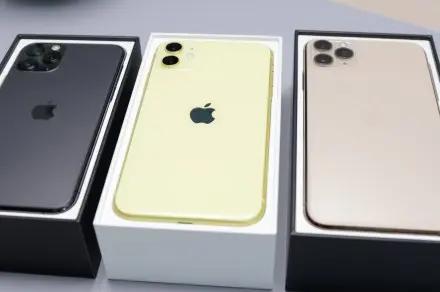
Apple is introducing a specialized retail diagnostic device designed to verify i Phone integrity without unboxing the unit. This new hardware targets a growing problem in store operations where customers return sealed packages containing altered devices. The system allows staff to confirm internal components are present and functional while the phone remains in its original packaging. By keeping the box closed, retailers maintain the product’s resale value and ensure it meets strict quality standards for future stock.
Latest news
 For those on supported carriers, the setup is straightforward
 EU Weighs In on Apple's iPhone Browser Restrictions
 Smart TVs frequently lose their Wi-Fi connection, leaving viewers staring at a spinning loading icon
 Why Ignoring Car Software Updates Is Risky
The initiative addresses widespread issues with return fraud that have plagued electronics retailers for years. Fraudsters often exploit the gap between purchase and return windows to manipulate devices. They may remove high-value accessories like charging cables or earbuds. In more aggressive cases, thieves swap the main phone for a cheaper model or a used unit. They then resell the stolen parts or the original device on secondary markets. This practice inflates returns and depletes inventory of pristine, sellable stock. Store employees previously had to open boxes to check contents, which risked voiding warranties or damaging seals.
The new scanner utilizes advanced sensing technology to look through the box materials. It identifies specific components and verifies their presence without physical contact. This method eliminates the need for visual inspection of the interior. Employees can quickly flag suspicious units that fail the diagnostic test. The process speeds up the return handling workflow significantly. It reduces the time staff spend investigating each claim. The technology helps distinguish between genuine returns and fraudulent attempts to offload modified goods. It provides a clear, data-driven basis for accepting or rejecting a returned item.
How Will This Change Store Return Policies?
Retail managers report that this tool changes the dynamic of customer service interactions. Staff no longer need to guess if a sealed box contains the correct phone. They can rely on objective diagnostic results. This reduces friction during the return process. Customers appreciate the speed, while stores protect their bottom line. The device fits into Apple’s broader strategy of controlling the entire customer journey. From initial sale to potential return, every step now includes rigorous verification protocols.
Apple plans to deploy these scanners across its global network of retail locations. The rollout will likely begin in major markets before expanding internationally. Stores will train staff on interpreting the new diagnostic outputs. The goal is to standardize return procedures worldwide. This consistency ensures that customers receive similar treatment regardless of location. It also helps Apple track fraud patterns across different regions. Data collected from these scans will inform future policy adjustments. The company aims to make the return process smoother for honest customers while catching bad actors.
The introduction of this non-invasive testing tool marks a significant shift in retail technology. It sets a precedent for other electronics brands to adopt similar verification methods. As smartphone prices continue to rise, the cost of fraud increases proportionally. Retailers must invest in tools that protect their assets. Apple’s move demonstrates a commitment to efficiency and accuracy. It reduces waste by preventing damaged or altered items from re-entering the sales floor. Ultimately, this benefits the end consumer who buys a refurbished or open-box device. They can trust that the unit underwent proper inspection before reaching them.
Frequently Asked Questions
Does this scanner work on all i Phone models? The device is designed to handle current generations of i Phones. It uses specific frequency ranges to detect internal components. Older models may require different calibration settings.
Will customers know their phone is being scanned? Yes, store staff will explain the process to the customer. The scan is quick and non-destructive. Customers typically see the result on a screen in the store.
Can this replace manual inspection entirely? It reduces the need for manual checks but does not eliminate them. Complex cases may still require deeper investigation. The scanner serves as the first line of defense.
Comments
Leave a comment