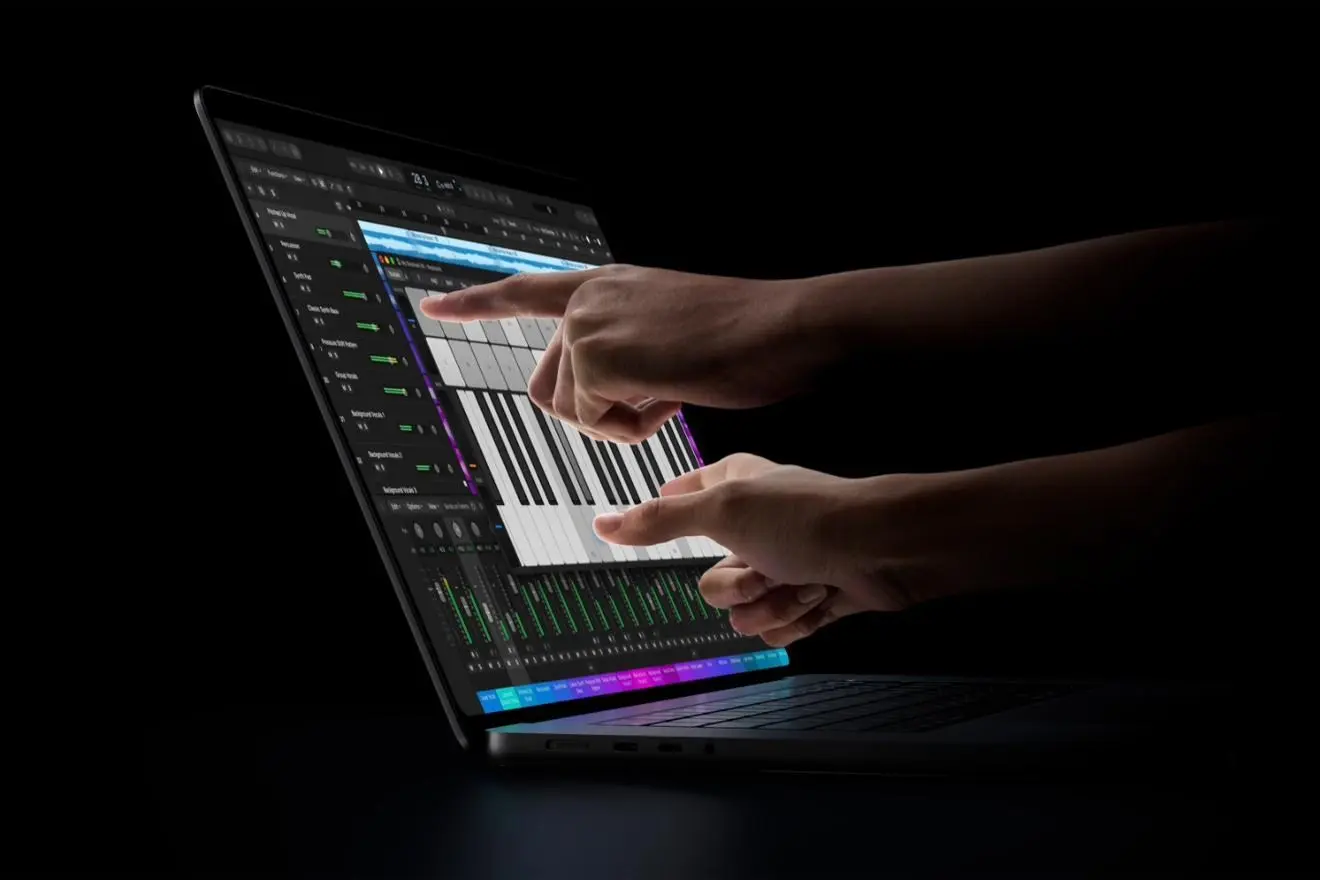
A 15-Year Design Standoff
Apple has officially ended a 15-year streak of refusing to add a touchscreen to its MacBook line. The company announced the new device yesterday, marking a major shift in its product philosophy. CEO John Ternus framed the move as a bold departure from Apple’s traditional design principles.
Latest news
 Smart TVs frequently lose their Wi-Fi connection, leaving viewers staring at a spinning loading icon
 Why Ignoring Car Software Updates Is Risky
 Apple's foldable iPhone Duo introduces dual-display multitasking capabilities
 FCC Weighs Reciprocal Limits on Foreign Satellite Firms
The announcement breaks a long-standing pattern. For over a decade and a half, Apple consistently told customers that MacBooks did not need touchscreens. Yesterday, that stance changed completely. Ternus explained the decision with characteristic confidence, noting that users had to physically interact with the device to appreciate its capabilities.
Apple’s resistance to touchscreens on MacBooks was rooted in its belief that a dedicated trackpad and keyboard offered superior precision for professional work. The company argued that touch input was better suited to phones and tablets, not laptops. This philosophy held firm from the early 2000s through the M1 and M2 chip generations.
Why Did Apple Change Its Mind?
The new touchscreen MacBook challenges that history. By integrating a responsive display, Apple is bridging the gap between its laptop and tablet ecosystems. The move suggests Apple now sees touch input as complementary to traditional controls, not a replacement.
Industry analysts point to three factors. First, competitors like Microsoft and Dell have long offered touchscreen laptops, putting pressure on Apple to match features. Second, the success of the iPad Pro demonstrated that Apple’s own customers value touch interaction. Third, the rise of creative software that benefits from direct manipulation pushed the company to adapt.
Ternus emphasized that the new display is designed for both professional productivity and casual use. The device retains the familiar macOS interface but adds a layer of touch responsiveness. Early reviews highlight the seamless transition between touch and trackpad input.
Frequently Asked Questions
Will the touchscreen MacBook replace the standard MacBook? Not immediately. Apple is likely to keep both models available, positioning the touchscreen version as a premium option for creators and power users.
Does the touchscreen work with Apple Pencil? The source does not confirm Pencil compatibility. The announcement focuses on finger-based touch input rather than stylus support.
When will the touchscreen MacBook be available for purchase? The source does not specify a release date. Apple typically announces availability details in follow-up communications after the initial reveal.
Comments
Leave a comment