
Why Apple Is Betting on AI‑Focused Server Hardware
Apple is reportedly developing a new server that will run on its high‑performance M‑Series Ultra processors, the same silicon used in its latest Mac desktops. The hardware is slated for a 2029 launch, marking the company’s first foray into enterprise‑class servers since the early 2000s. The move aims to tap the growing demand for Apple hardware among artificial‑intelligence developers and data‑center operators.
Latest news
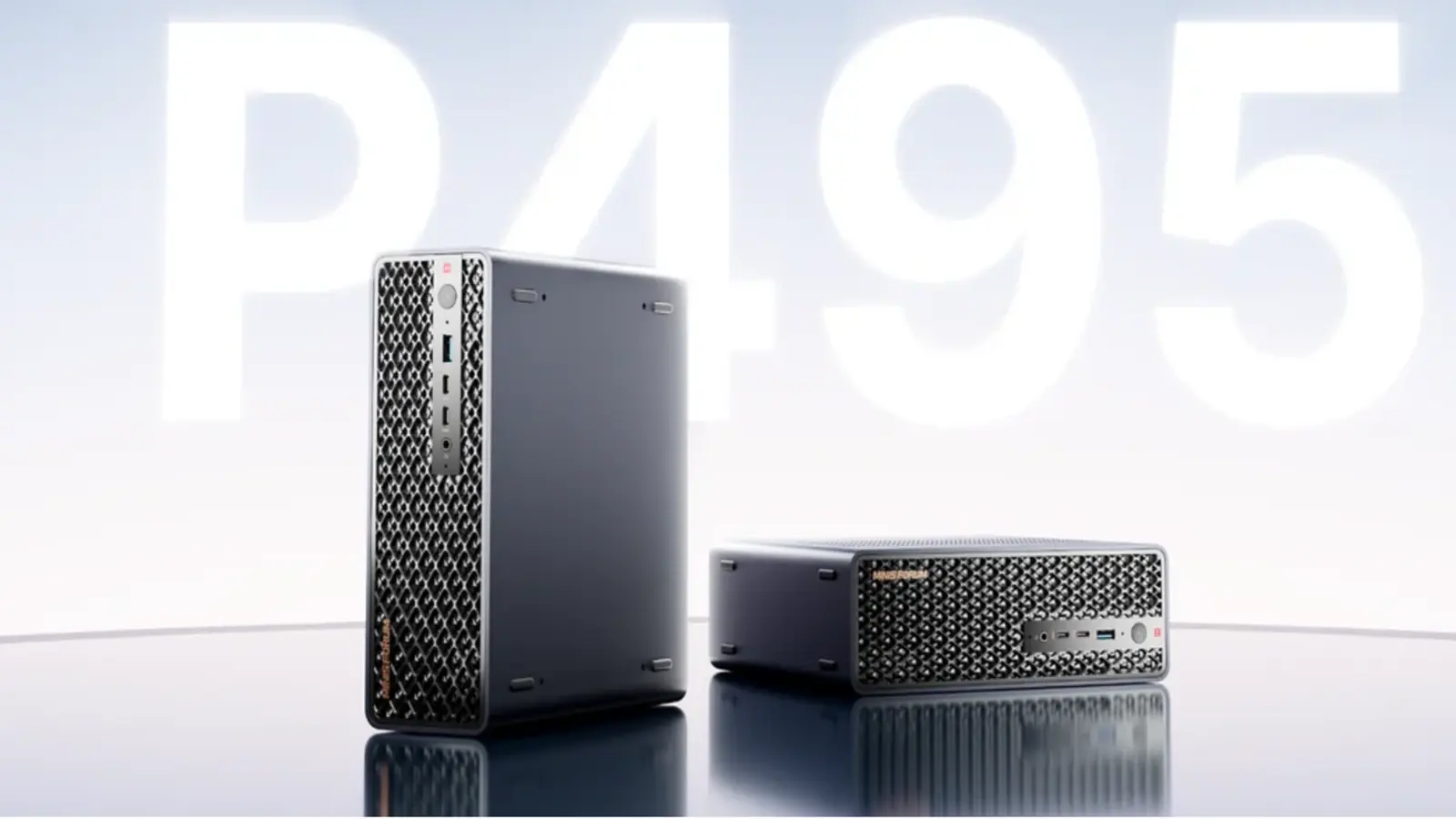 Minisforum Unveils High‑End Ryzen AI Max+ PRO 495 Workstation
 NASA Eyes Revival of SR‑71 Blackbird
 My Home Wi‑Fi Was Crowded by 14 Neighbors—A Free App Helped Me Find a Clear Channel
 YouTube is tightening rules for low-effort Shorts
The server design is said to integrate multiple Ultra‑chip modules, delivering unprecedented compute density for machine‑learning workloads. By leveraging its in‑house silicon, Apple hopes to offer tighter integration between hardware and software, reducing latency for AI model training and inference. Industry analysts note that Apple’s recent success with the M‑Series in consumer devices has built a strong ecosystem of developers who now seek enterprise‑grade performance. The server could also run macOS or a specialized OS, providing a familiar environment for developers accustomed to Apple’s software stack.
Apple’s shift toward server hardware reflects a broader strategy to expand its services revenue beyond devices and app sales. The company has been courting AI startups that favor Apple silicon for its energy efficiency and performance per watt. A dedicated server platform would allow Apple to offer end‑to‑end solutions, from device‑level inference to large‑scale model training in data centers.
Will Apple’s Server Challenge Established Data‑Center Giants?
Analysts suggest that the Ultra‑chip’s architecture, which combines high‑core counts with advanced memory bandwidth, is well‑suited for parallel AI tasks. By packaging several chips together, Apple could achieve teraflops of compute power while keeping power consumption lower than competing x86 solutions. This efficiency could attract enterprises looking to reduce operational costs and carbon footprints.
Apple’s entry into the server market pits it against entrenched players such as Dell, HPE, and Nvidia’s DGX line. Those firms dominate the AI‑focused hardware space, but Apple’s brand loyalty and integrated ecosystem may carve out a niche. The company’s control over both silicon and software could enable unique optimizations unavailable to rivals.
However, Apple faces hurdles, including building a robust support network for enterprise customers and convincing large organizations to adopt a platform traditionally associated with consumer products. Success will likely depend on the company’s ability to demonstrate reliability, scalability, and competitive pricing.
If Apple’s server reaches the market as planned, it could reshape the AI hardware landscape, offering a compelling alternative to existing solutions. The 2029 debut may spur other tech firms to reconsider the value of tightly integrated hardware‑software stacks for AI workloads. Apple’s move underscores the growing importance of AI across industries and signals that the company is ready to play a larger role beyond personal devices.
Frequently Asked Questions
What makes the M‑Series Ultra chips suitable for server use? The Ultra chips combine many high‑performance cores with large memory bandwidth, delivering strong parallel processing ideal for AI training and inference while maintaining energy efficiency.
Will the server run macOS or a different operating system? Apple has not confirmed the OS, but it could run a server‑optimized version of macOS or a bespoke operating system designed for AI workloads, offering developers a familiar environment.
How will Apple support enterprise customers with this new hardware? Apple is expected to build a dedicated services team and partner with existing cloud providers to offer support, warranty, and integration services tailored to enterprise needs.
Comments
Leave a comment