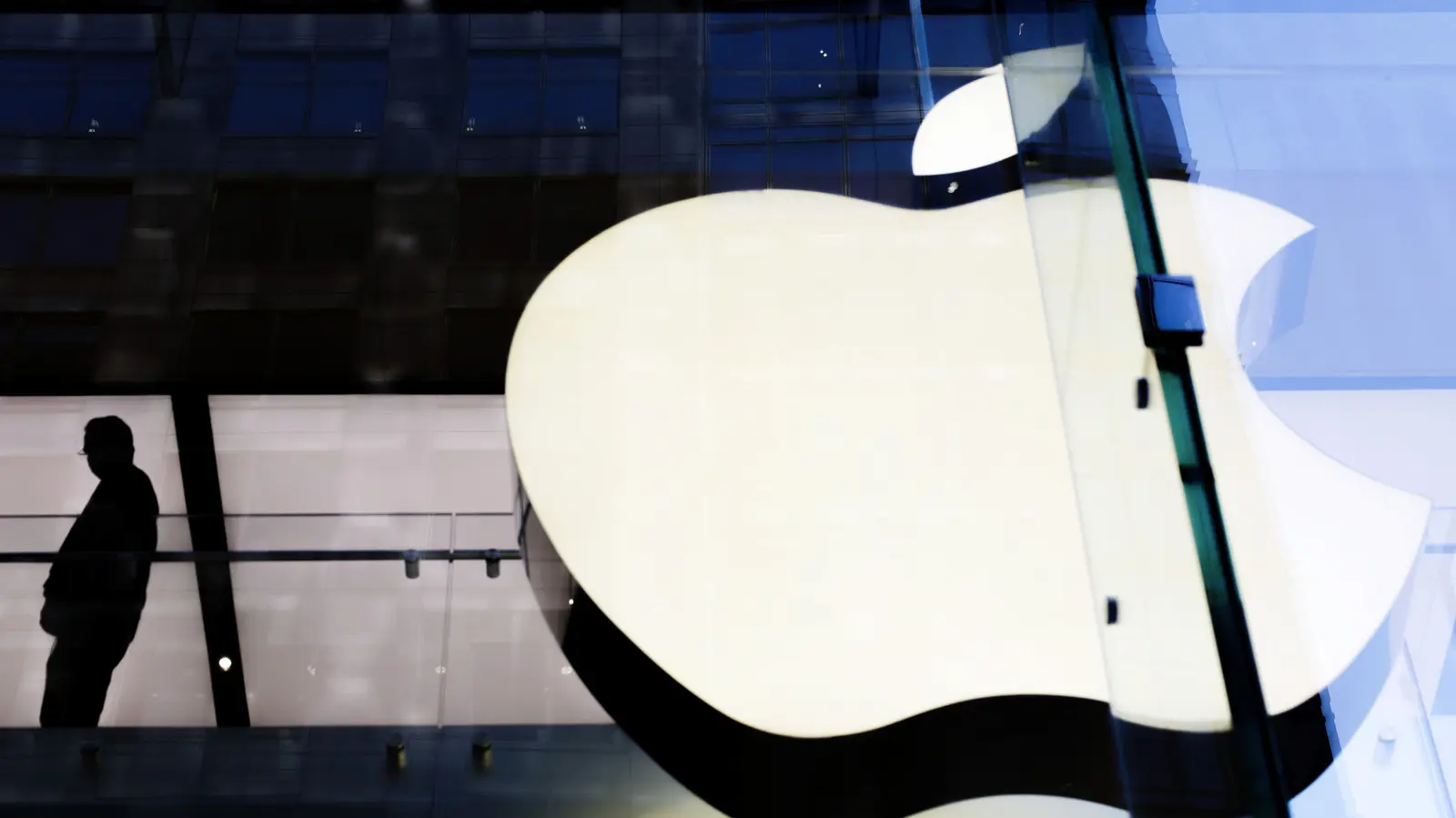
How will Apple differentiate its smart home devices from competitors?
Apple is reportedly preparing to launch a range of smart home products developed in collaboration with LG, including a video doorbell, security cameras, and thermostats. The announcement could come as early as next week, according to Bloomberg’s Mark Gurman, who has been tracking Apple’s renewed push into the connected home space. This marks a significant step in Apple’s strategy to expand its ecosystem beyond i Phones and Macs into everyday household appliances.
Latest news
 Major AI firms recorded peak lobbying expenses last summer
 Apple Magic Keyboards for iPad Drop to Half Price at Woot
 Microsoft Provides Fix for Broken Exchange Online Apps
 Security Breach at AI Aggregator Exposes 18 Million Files and Private Chats
The partnership with LG suggests Apple is leveraging the South Korean company’s expertise in home appliances and display technology to accelerate product development. While Apple has long offered HomeKit as a framework for third-party devices, this move indicates a shift toward first-party hardware under its own brand. Gurman’s report notes that the devices will likely integrate tightly with Apple’s existing ecosystem, featuring seamless setup via i Phone and support for features like Face ID authentication and end-to-end encryption. The thermostat, for example, may learn user habits and adjust temperatures automatically, while the doorbell could offer facial recognition and local storage options to enhance privacy.
What challenges might Apple face in the smart home market?
Apple aims to stand out by emphasizing privacy, ease of use, and deep integration with its operating systems. Unlike many rivals that rely on cloud processing for features like facial recognition, Apple’s devices are expected to perform such tasks locally on the device, minimizing data exposure. The company may also avoid requiring a separate hub, instead using existing Apple TV or HomePod units as central controllers. This approach could appeal to users already invested in the Apple ecosystem who value simplicity and security over open compatibility.
Despite its strengths, Apple enters a crowded field dominated by established players like Amazon, Google, and Samsung, which have years of experience and broader third-party support. Convincing consumers to adopt Apple’s potentially higher-priced devices will require clear advantages in design, performance, and privacy. Additionally, Apple’s historical reluctance to open its ecosystem fully could limit appeal among users who prefer cross-platform flexibility. Success will depend on whether the company can balance its closed-system advantages with enough openness to attract a wider audience.
Will Apple’s smart home devices work with non-Apple products? Yes, the devices are expected to support HomeKit, allowing compatibility with other certified smart home products, though full functionality may be optimized for Apple’s own ecosystem.
Frequently Asked Questions
When exactly will Apple announce these products? While no official date has been confirmed, Mark Gurman’s report suggests the announcement could happen next week, possibly alongside other spring updates from Apple.
What price range can consumers expect for these devices? Specific pricing has not been disclosed, but industry analysts anticipate Apple will position its smart home gear at the premium end of the market, consistent with its brand strategy.
Comments
Leave a comment