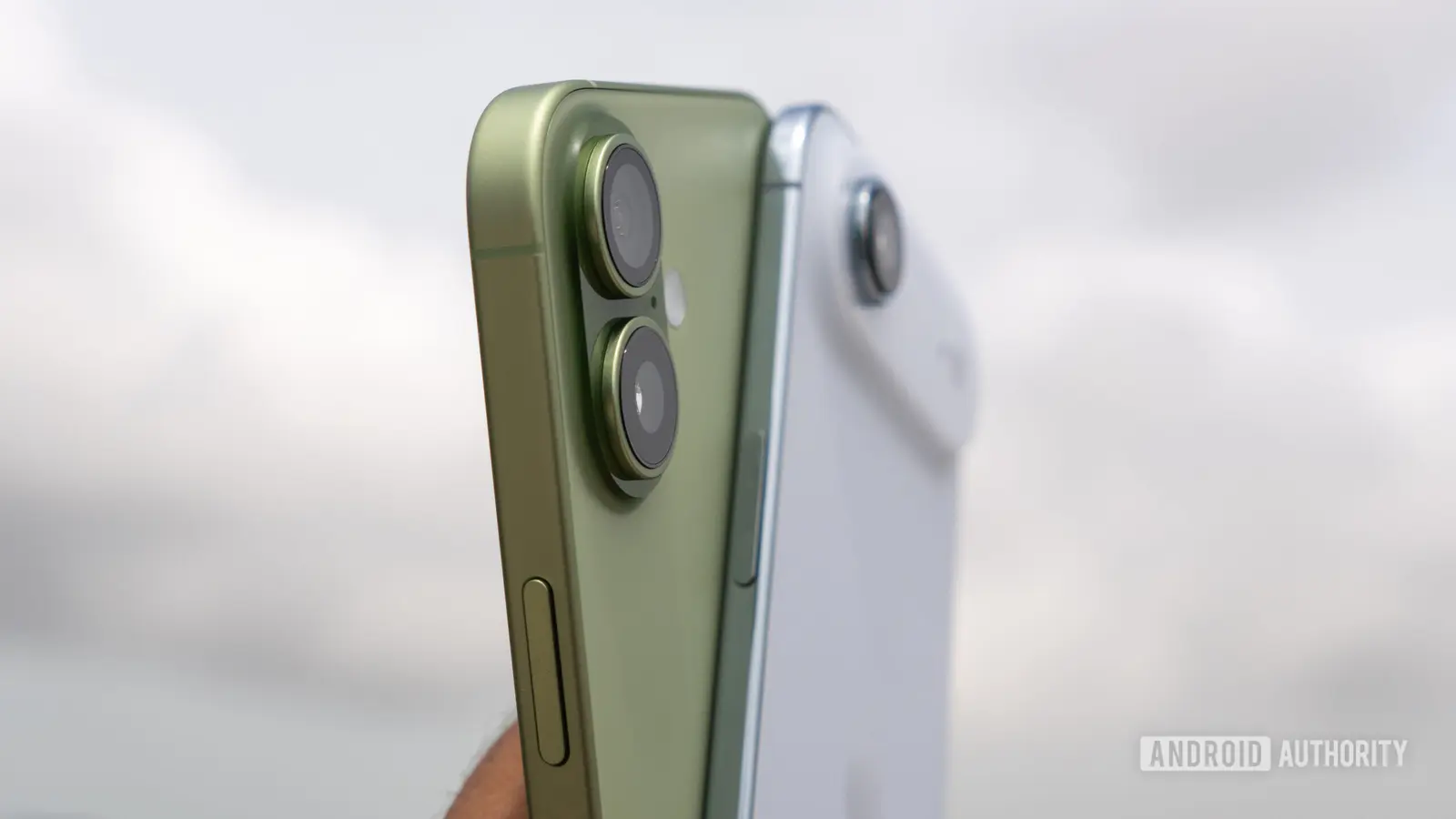
How Does i Phone Handoff Differ from Existing Solutions?
Apple has unveiled i Phone Handoff, a new feature allowing users to switch between two i Phones while maintaining the same phone number, set to launch with iOS 27. The functionality will initially be available through T-Mobile in the United States and Telekom Germany, with broader carrier support anticipated in the coming months. Designed for users who regularly carry multiple devices, the feature aims to eliminate the need for call forwarding or SIM swapping when moving between phones.
Latest news
 Anker Unveils Playful 45W Charger With Animated Face Display
 Google Docs Web Version Still Missing Native Dark Mode
 Anthropic-Linked Vulnerability Exploited From China, Targets US and Japan
 Text‑Based AI Agents: Your New Digital Assistants
The system works by syncing the user’s cellular identity across both devices through carrier-level integration, enabling calls and messages to follow the active i Phone. Apple emphasized that both phones must be signed into the same Apple ID and connected to i Cloud for the handoff to function. Unlike traditional dual-SIM setups, this approach relies on network-based number sharing rather than physical SIM duplication, offering a cleaner experience for those managing personal and work lines on separate devices.
Unlike call forwarding or third-party apps that often introduce delays or require manual setup, i Phone Handoff promises near-instantaneous transition between devices with minimal user intervention. Apple stated that the feature leverages existing i Cloud continuity frameworks but extends them to cellular services through direct carrier partnerships. Early testing suggests that SMS, i Message, and FaceTime calls will seamlessly transfer when unlocking the secondary i Phone, provided both are on the same Wi-Fi network and within Bluetooth range.
What Are the Limitations and Privacy Considerations?
Carrier involvement is critical, as the technology requires network-level support to register both devices under a single number without conflicting signals. T-Mobile and Telekom Germany are the first to commit, though Apple noted ongoing discussions with other global providers. The company did not specify whether older i Phone models will support the feature, but indicated it will require hardware capable of maintaining persistent i Cloud and cellular connections.
Apple clarified that i Phone Handoff does not allow simultaneous active use of both devices for outgoing calls—only one i Phone can transmit at a time to prevent network confusion. Incoming calls, however, can ring on both devices, with the user choosing which to answer. Data usage and billing remain tied to the primary account, with no additional fees announced for enabling the feature.
Privacy protections include end-to-end encryption for i Message and FaceTime, while carrier-side handling of call routing adheres to existing telecom regulations. Users can disable Handoff at any time via Settings, reverting to standard single-device operation. Apple also noted that emergency calls will always route through the device with the strongest signal, regardless of handoff status.
Frequently Asked Questions
Will i Phone Handoff work with Android devices? No, the feature is exclusive to i Phones running iOS 27 and requires integration with Apple’s ecosystem and participating carriers.
Can I use two different Apple IDs with Handoff? No, both i Phones must be signed into the same Apple ID and i Cloud account for the feature to function properly.
What happens if I lose one of the i Phones? If a device is lost or disconnected, the active number remains available on the other i Phone, and users can remotely disable Handoff via i Cloud to prevent unauthorized access.
Comments
Leave a comment