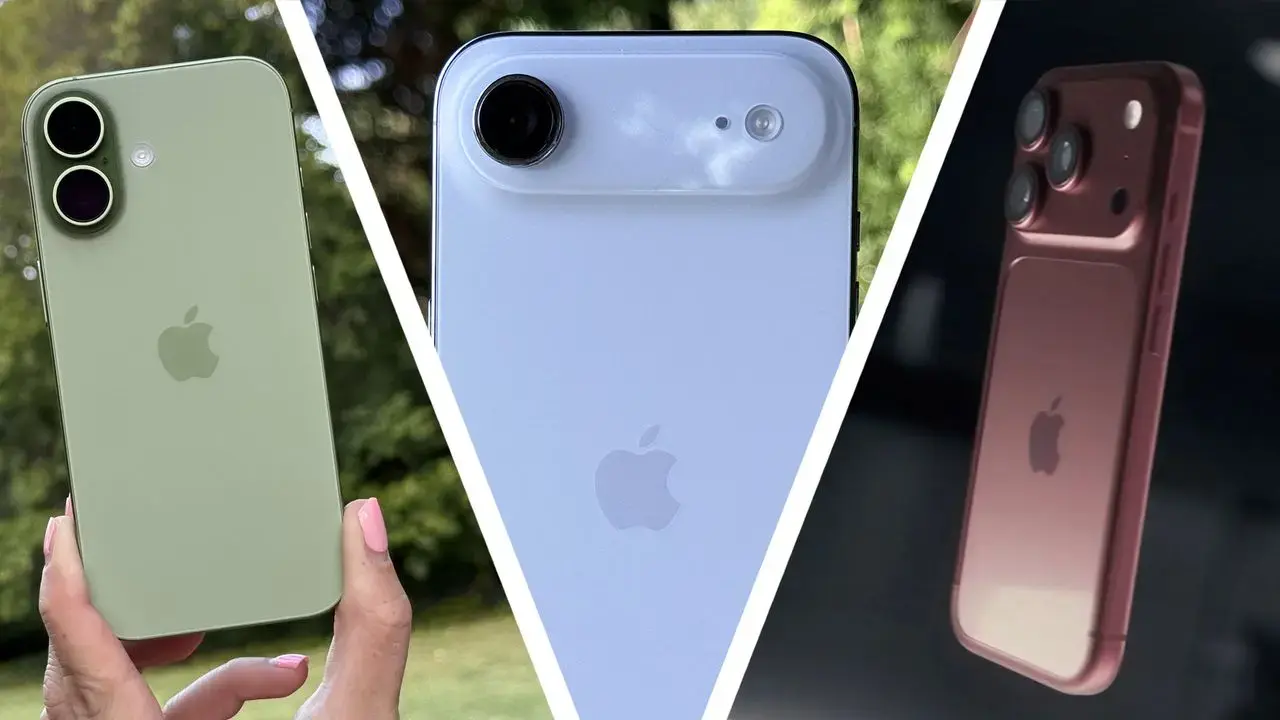
Specific Price Changes Across Models
Apple has officially increased the cost of its entire i Phone portfolio, affecting both brand-new releases and existing models. The move covers the latest i Phone 18 Pro series alongside older devices like the i Phone 16 and 17e. This comprehensive price adjustment marks a significant shift in the company's pricing strategy for its flagship smartphones.
Latest news
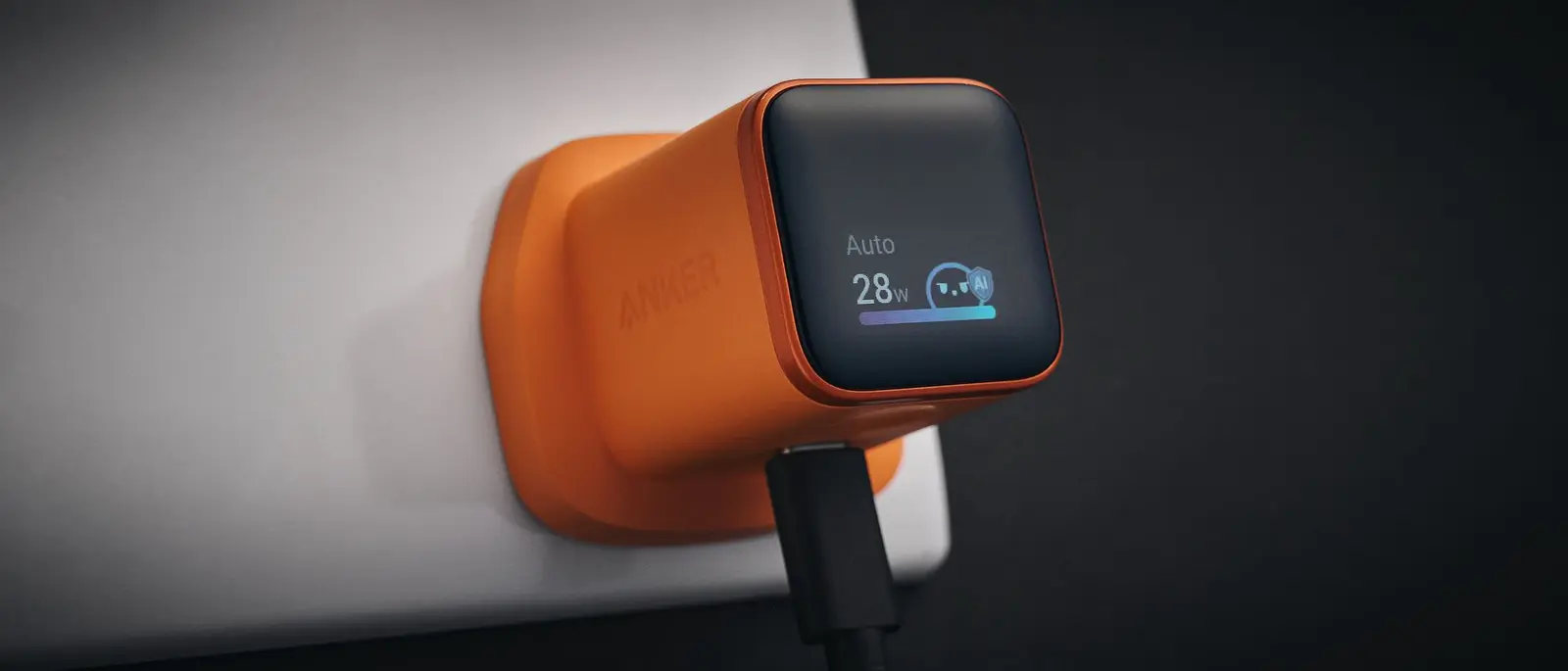 Anker Unveils Playful 45W Charger With Animated Face Display
 Google Docs Web Version Still Missing Native Dark Mode
 Anthropic-Linked Vulnerability Exploited From China, Targets US and Japan
 Text‑Based AI Agents: Your New Digital Assistants
The price increases extend beyond just the newest hardware. Customers purchasing current-generation devices will find higher sticker prices at retail locations. The changes apply uniformly across the board, ensuring that no segment of the product line remains untouched by this financial update.
The most dramatic increase applies to the i Phone Air, which now costs 21 percent more than before. This substantial jump highlights how Apple is positioning its thinner, lighter device in the market. Meanwhile, the i Phone 18 Pro and Pro Max models are all priced higher than their immediate predecessors.
Why Are Prices Rising Now?
The older models have not been spared either. The standard i Phone 16, the i Phone 17, and the budget-friendly i Phone 17e all see upward revisions. These adjustments suggest a broader trend rather than an isolated incident. Apple appears to be recalibrating its value proposition across the entire spectrum of its mobile offerings.
Apple announced numerous new products during its recent event, focusing heavily on the i Phone Duo and i Phone 18 Pro features. However, the company remained notably quiet about the accompanying price hikes. This silence contrasts with the usual fanfare surrounding product launches.
Analysts suggest that these increases may reflect broader economic pressures or shifts in component costs. By raising prices on older models, Apple can maintain profit margins without immediately discontinuing them. The strategy allows the company to keep previous generations available while making them slightly less attractive compared to the new releases.
The timing coincides with a period of intense competition in the smartphone market. Raising prices requires confidence in brand loyalty and perceived value. Apple seems willing to test this assumption with its loyal customer base.
Frequently Asked Questions
Which i Phone model saw the largest percentage increase? The i Phone Air experienced the highest relative price hike at 21 percent. This specific model saw a significantly larger jump compared to other devices in the lineup.
Are new and old i Phones both affected? Yes, the price increases cover both new and existing models. The i Phone 18 Pro series is more expensive than its predecessors, while the i Phone 16, 17, and 17e also went up in price.
Did Apple announce these hikes loudly? No, Apple was noticeably quieter about the price increases during its product event. The focus remained on new features, with the cost changes receiving less public attention.
Comments
Leave a comment