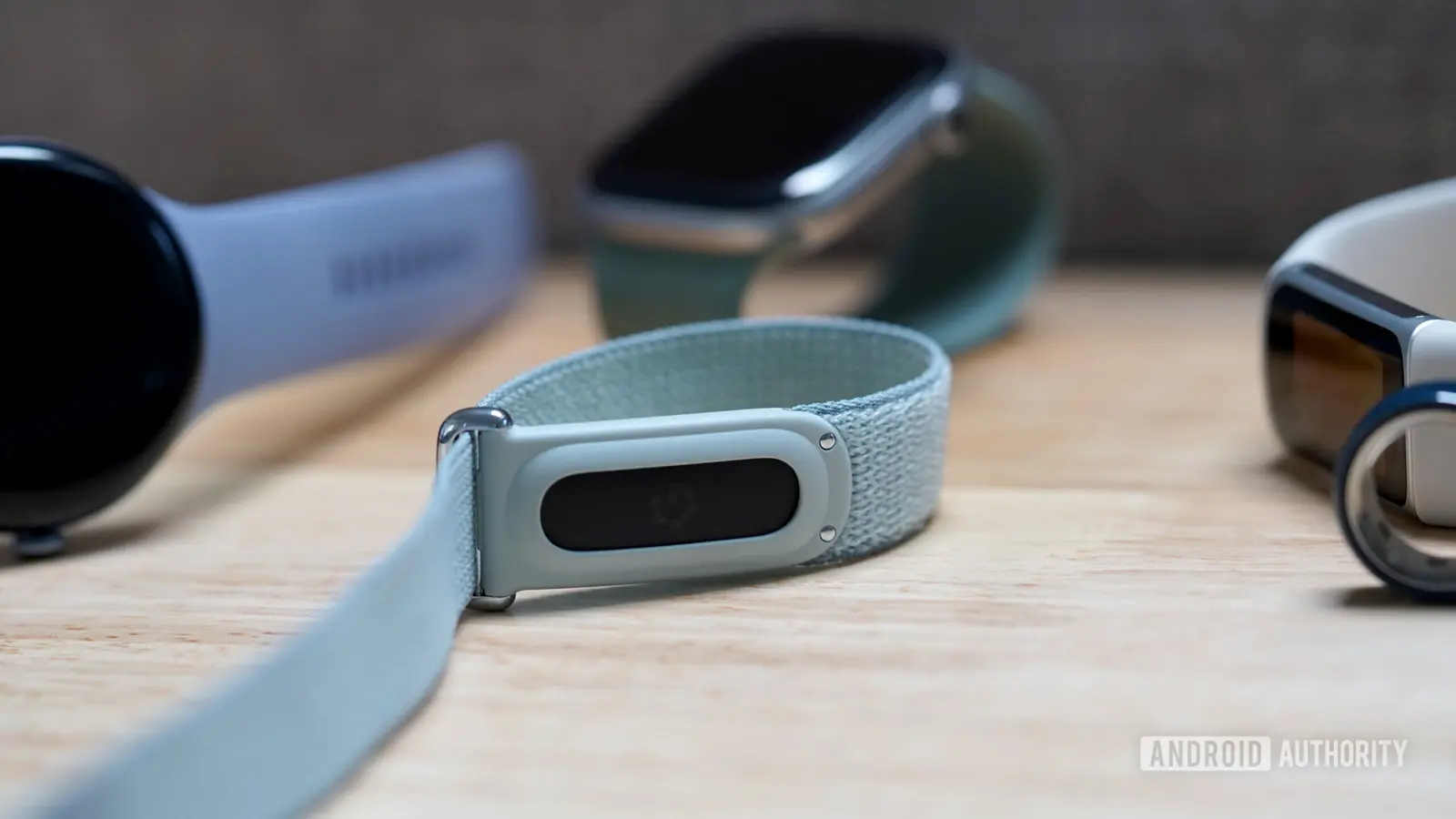
How Apple’s tracker could differ from existing screenless options
Apple is reportedly testing a screenless fitness tracker designed to rival products like WHOOP and the upcoming Fitbit Air, according to industry sources. The device would focus on continuous health monitoring without a display, relying instead on smartphone integration for data viewing. While the project is still in early stages, it signals Apple’s interest in expanding its wearable lineup beyond the Apple Watch. The move comes as Google also advances similar screenless concepts through its Fitbit division, suggesting a broader industry shift toward minimalist health trackers. Apple’s approach would likely emphasize sensor accuracy, battery life, and seamless ecosystem integration, targeting users who prioritize comfort and long-term wear over on-device interaction. Development timelines remain uncertain, with no indication of an imminent release.
Latest news
 Minisforum Unveils High‑End Ryzen AI Max+ PRO 495 Workstation
 NASA Eyes Revival of SR‑71 Blackbird
 My Home Wi‑Fi Was Crowded by 14 Neighbors—A Free App Helped Me Find a Clear Channel
 YouTube is tightening rules for low-effort Shorts
Unlike WHOOP, which requires a subscription for full functionality, Apple’s tracker might offer deeper integration with iOS and Apple Health, potentially providing advanced metrics like sleep staging, recovery scores, and stress monitoring without mandatory fees. The company could leverage its expertise in silicon design to create a more power-efficient sensor suite, enabling longer battery life than current competitors. Sources suggest the device may use a flexible band design similar to the Fitbit Air, optimizing for 24/7 wear during workouts, sleep, and daily activities. Apple’s focus on privacy and on-device data processing could also distinguish it from rivals that rely heavily on cloud-based analytics. These features aim to appeal to health-conscious users already invested in the Apple ecosystem.
What challenges might delay Apple’s screenless tracker launch?
Despite progress in testing, Apple faces hurdles in refining sensor accuracy for medical-grade readings while maintaining comfort in a screenless form factor. Balancing performance with battery efficiency remains a key challenge, especially if the device includes advanced features like blood oxygen or temperature tracking. The company may also be waiting to see how Google’s Fitbit Air performs in the market before committing to a launch timeline. Regulatory approvals for health-related features could further extend development, particularly if Apple seeks FDA clearance for certain metrics. Internal priorities, including updates to the Apple Watch line, may also divert resources away from this project. As a result, a release is unlikely within the next year, with industry analysts suggesting a potential debut in 2026 at the earliest.
Will Apple’s screenless tracker require a subscription like WHOOP? There is no confirmation yet, but Apple may avoid mandatory subscriptions by offering core features for free through Apple Health, with optional premium insights via Fitness+.
Frequently Asked Questions
Could the tracker work with Android devices? Given Apple’s historical focus on ecosystem lock-in, the device is expected to work primarily with i Phones, though limited functionality might be possible via third-party apps on Android.
Is this meant to replace the Apple Watch? No, the screenless tracker would likely complement the Apple Watch by targeting users who want minimalist health monitoring without a screen, similar to how the Whoop strap fits alongside smartwatches.
Comments
Leave a comment