Material Strength and Daily Use
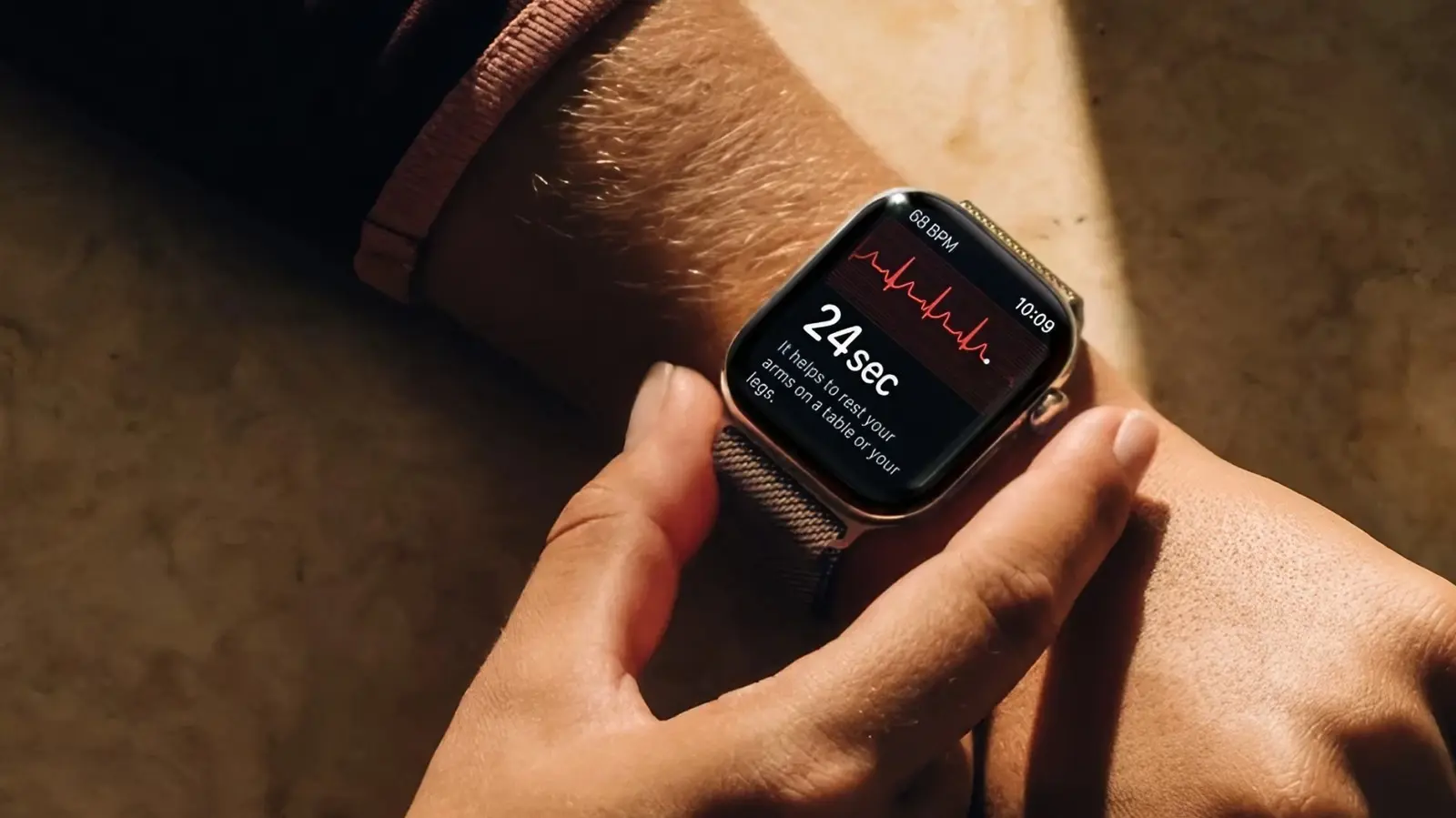
Apple unveiled the Apple Watch Series 12 in September 2026, introducing three distinct case materials for consumers to choose from. The options include aluminum, titanium, and ceramic, each offering unique characteristics in terms of weight, durability, and aesthetics. This expansion marks a shift toward greater personalization in Apple's wearable lineup, catering to diverse user preferences and lifestyles.
Latest news
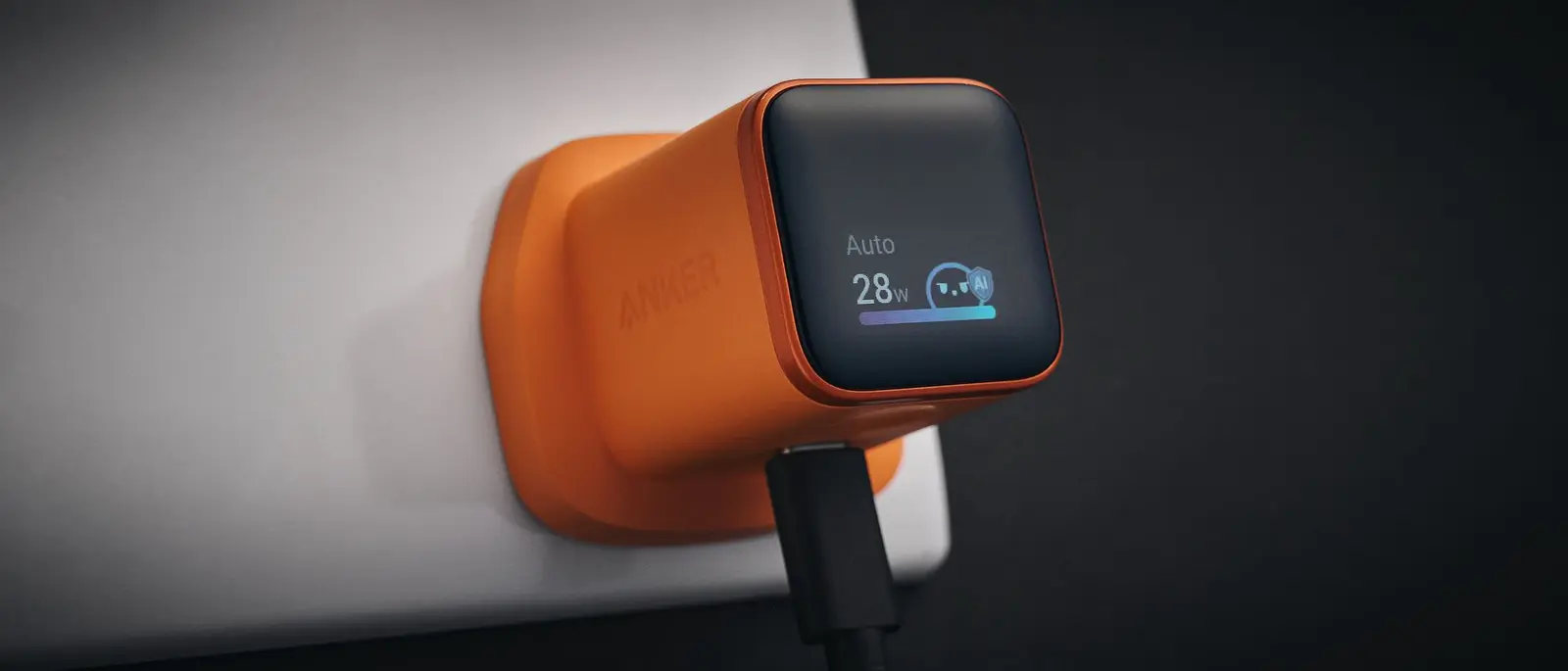 Anker Unveils Playful 45W Charger With Animated Face Display
 Google Docs Web Version Still Missing Native Dark Mode
 Anthropic-Linked Vulnerability Exploited From China, Targets US and Japan
 Text‑Based AI Agents: Your New Digital Assistants
The aluminum model remains the most affordable and lightweight option, continuing Apple's tradition of using recycled materials in its construction. It is available in a range of colors and is ideal for everyday wear and fitness tracking. Titanium, introduced as a premium alternative, offers a stronger yet lighter build compared to stainless steel, with a brushed finish that resists scratches and corrosion. Ceramic, the most exclusive choice, features a polished white finish known for its scratch resistance and luxurious feel, though it is more brittle than metal options and comes at a higher price point.
Which Model Fits Your Lifestyle?
Each material affects how the watch performs in real-world conditions. Aluminum is prone to scratches over time but is easy to replace due to its lower cost. Titanium provides an excellent balance of strength and comfort, making it suitable for active users who want durability without added weight. Ceramic, while highly resistant to surface marks, can crack under significant impact, requiring careful handling. Apple notes that all versions retain the same internal components, including the S12 chip, advanced sensors, and improved battery life lasting up to 18 hours.
Choosing between the materials depends on individual priorities. Users focused on fitness and value may prefer aluminum for its affordability and color variety. Those seeking a high-end look with everyday resilience might opt for titanium, especially in outdoor or professional environments. Ceramic appeals to users who prioritize style and are willing to trade some ruggedness for a premium aesthetic. Apple emphasizes that all models support the same health features, including ECG, blood oxygen monitoring, and temperature sensing.
Is the ceramic Apple Watch more durable than titanium? While ceramic resists scratches better than titanium, it is more susceptible to cracking from drops or impacts. Titanium offers greater overall toughness for active use.
Frequently Asked Questions
Does the material affect battery life or performance? No, all Apple Watch Series 12 models share identical internal hardware, so battery life and performance are consistent across aluminum, titanium, and ceramic versions.
Can I switch bands between different material models? Yes, band compatibility remains unchanged across all case materials, allowing users to mix and match bands regardless of the watch case they choose.
Comments
Leave a comment