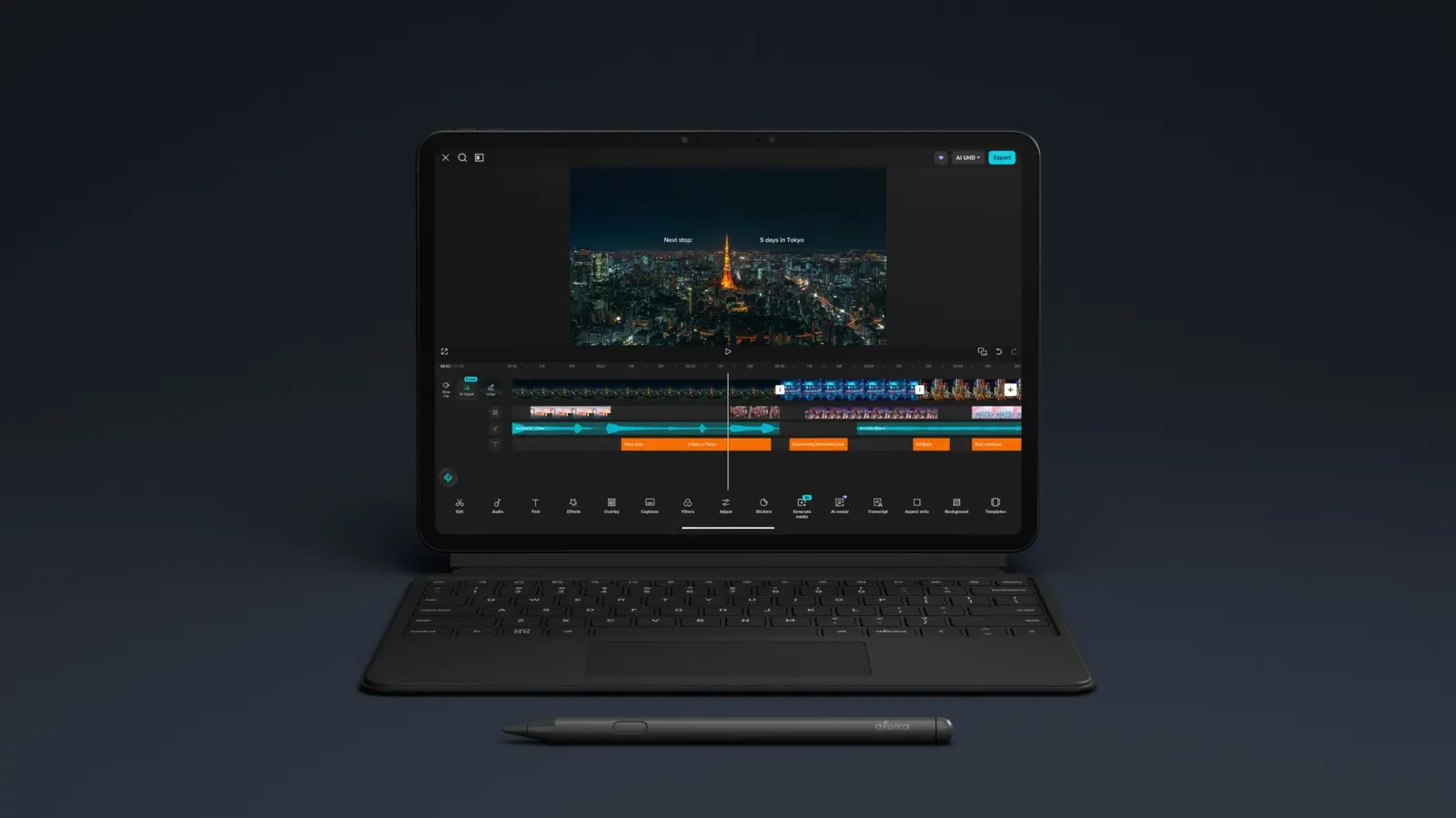
Alexa‑Centric Features Redefine Tablet Use
Amazon unveiled its newest tablet, the Alexa Tablet, on October 8, 2026, positioning it as a direct competitor to Apple’s iPad Pro line. The device ships with a 12.9‑inch Liquid Retina display, an octa‑core processor, and integrated Alexa voice control, aiming to attract both media‑consumption fans and productivity users. Priced at $799, it will be available globally through Amazon’s online store and select electronics retailers starting next month.
Latest news
 Major AI firms recorded peak lobbying expenses last summer
 Apple Magic Keyboards for iPad Drop to Half Price at Woot
 Microsoft Provides Fix for Broken Exchange Online Apps
 Security Breach at AI Aggregator Exposes 18 Million Files and Private Chats
The Alexa Tablet mirrors the iPad Pro in size, screen resolution, and support for a stylus, but Amazon has taken a different approach to software and ecosystem integration. Rather than a proprietary app store, the tablet runs a customized version of Fire OS that leans heavily on Amazon services such as Prime Video, Kindle, and the new Alexa Workspace suite. The device also supports USB‑C charging, 5G connectivity, and a detachable keyboard that doubles as a protective case. Analysts suggest Amazon’s strategy is to leverage its massive content library and cloud infrastructure to lure users away from Apple’s tightly controlled environment.
Amazon has embedded Alexa deeper than ever before. Voice commands can launch apps, adjust screen brightness, or even dictate notes directly into the Alexa Workspace editor. „We wanted a tablet that feels like an extension of the Alexa ecosystem,” said Maria Delgado, Amazon’s senior product manager, during the launch event. The tablet also includes a new „Home Hub” mode, turning the device into a smart‑home control center that displays live camera feeds, weather, and calendar events on the home screen. Early benchmarks show the Alexa Tablet’s processor handling multitasking with comparable latency to the iPad Pro, though battery life trails by roughly 20 percent under heavy streaming.
Can Amazon Close the Gap with Apple’s Ecosystem?
While the hardware specs are competitive, critics question whether Amazon can match Apple’s seamless integration across devices. The Alexa Tablet lacks native support for macOS continuity features like Handoff and Universal Clipboard, which many power users rely on. However, Amazon counters this by offering cross‑device syncing through its cloud services, allowing documents edited on the tablet to appear instantly on a Fire TV or Echo Show. Market analysts predict that the tablet’s success will hinge on how quickly Amazon can expand its accessory lineup and improve third‑party app availability, areas where Apple still holds a clear advantage.
The launch marks a bold move for Amazon, signaling its intent to become a serious player in the premium tablet market. If the Alexa Tablet can attract creators, students, and enterprise clients with its integrated voice assistant and competitive pricing, it could reshape consumer expectations for what a tablet should offer. The coming months will reveal whether Amazon’s gamble pays off or if Apple’s dominance remains unchallenged.
Frequently Asked Questions
How does the Alexa Tablet’s performance compare to the iPad Pro? Benchmarks show similar processing speeds in everyday tasks, though the iPad Pro still leads in graphics‑intensive applications and battery endurance.
What accessories are available at launch? Amazon offers a detachable keyboard with backlit keys, a stylus with pressure sensitivity, and a magnetic case that doubles as a stand.
Will existing Amazon Prime members get any benefits? Yes, Prime members receive a year of free Kindle Unlimited, ad‑free Prime Video streaming, and 100 GB of additional cloud storage on the tablet.
Comments
Leave a comment