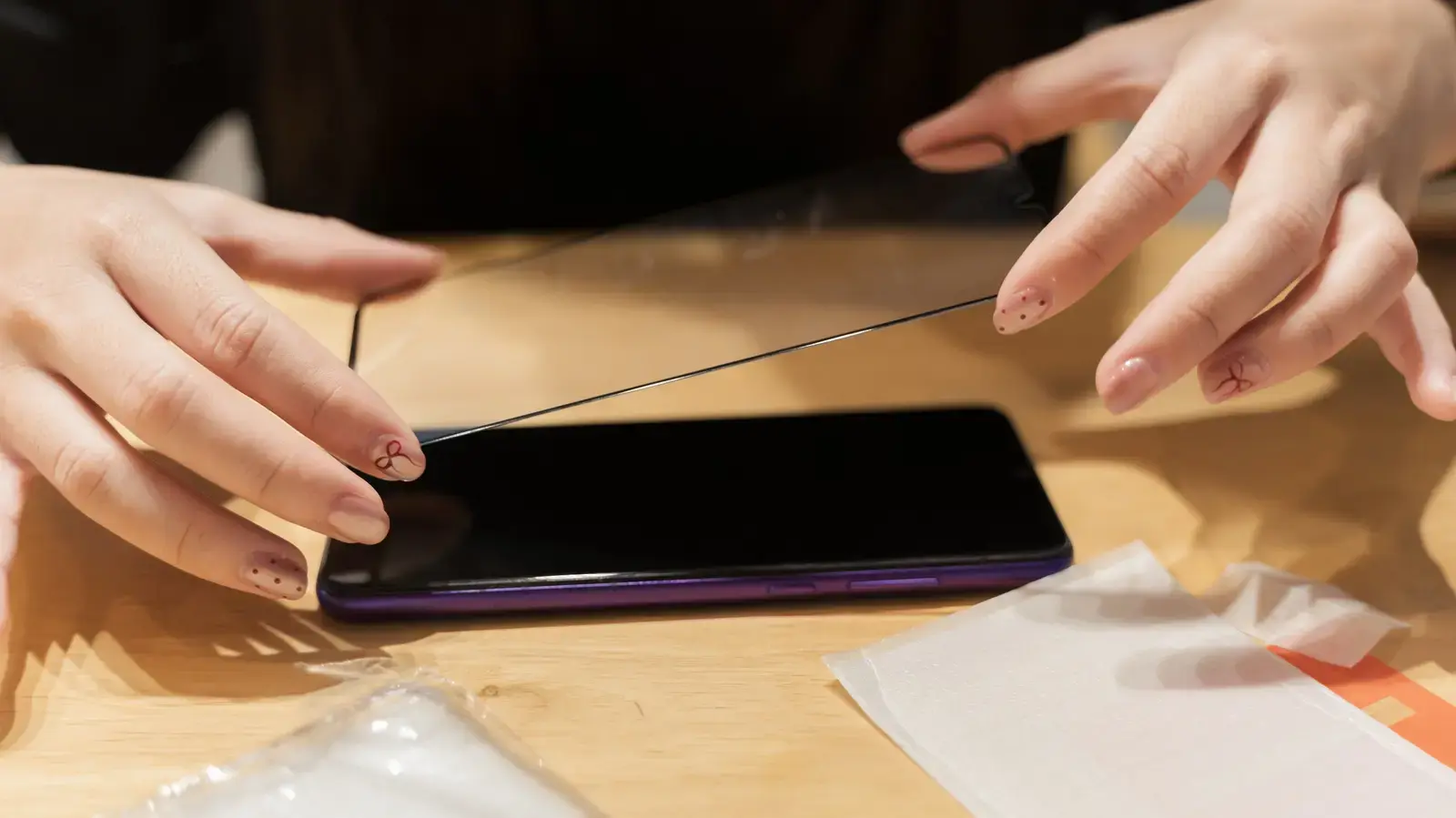
How Tempered Glass Compares To Film Protectors
Protecting your Android phone’s screen has become more important than ever as device prices continue to rise. With flagship models now costing over $1,000, users are seeking reliable ways to prevent scratches, cracks, and daily wear. Experts recommend investing in a high-quality screen protector as a simple yet effective safeguard for your device.
Latest news
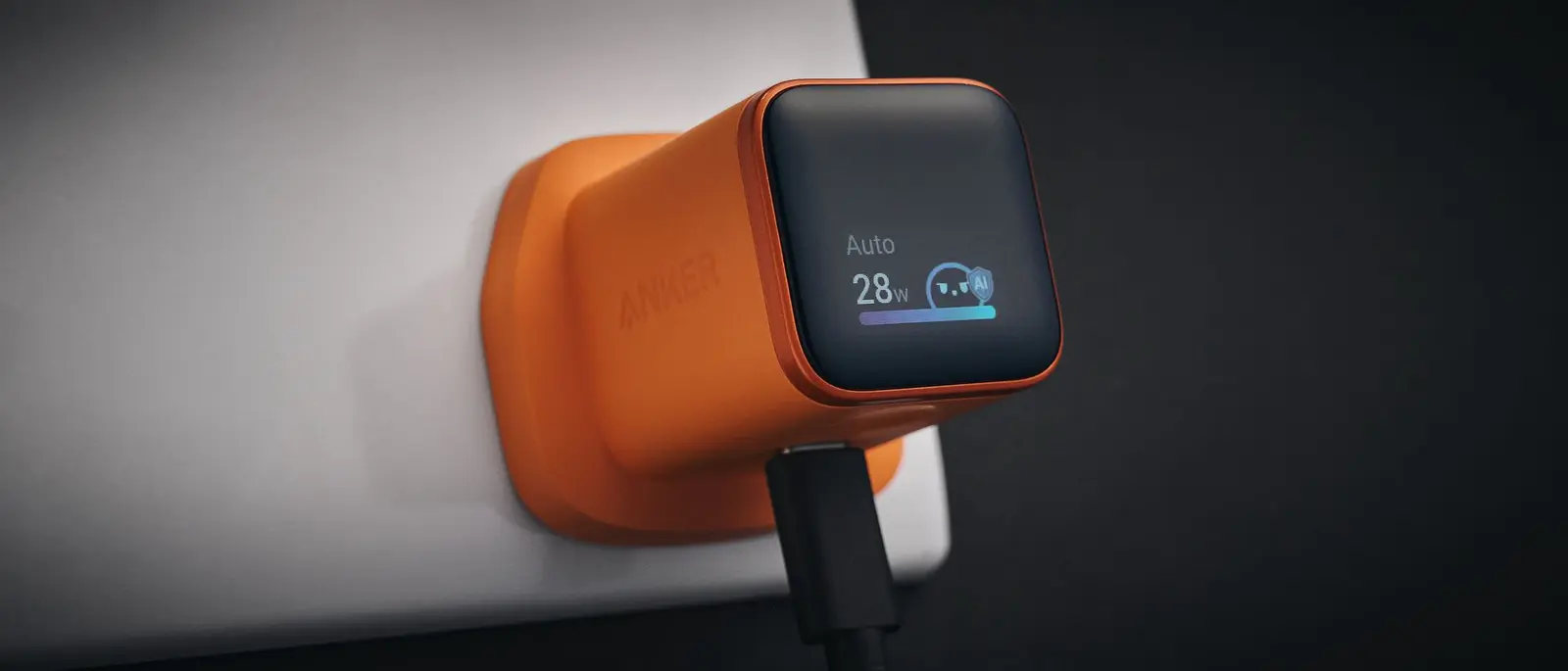 Anker Unveils Playful 45W Charger With Animated Face Display
 Google Docs Web Version Still Missing Native Dark Mode
 Anthropic-Linked Vulnerability Exploited From China, Targets US and Japan
 Text‑Based AI Agents: Your New Digital Assistants
Among the top-rated brands, several stand out for their durability, clarity, and ease of installation. These include options made from tempered glass and advanced polymer materials that offer strong impact resistance without compromising touch sensitivity. Many also feature oleophobic coatings to reduce fingerprints and smudges, keeping the screen clean and responsive.
What Makes A Screen Protetrctor Worth The Investment?
Tempered glass protectors are widely preferred for their rigid structure and ability to absorb shock from drops. Unlike plastic film alternatives, they maintain the original feel of the screen and are less prone to bubbling during application. Some brands now include alignment frames to help users install them perfectly straight, reducing common frustrations.
A good screen protector does more than just prevent scratches—it can preserve resale value and avoid costly repair bills. Replacing a damaged screen on a premium Android phone often exceeds $300, making a $20 protector a smart preventive measure. Users also report greater peace of mind knowing their device is shielded against everyday hazards like keys in pockets or accidental slips.
Do screen protectors affect touch sensitivity? High-quality protectors are designed to be ultra-thin and responsive, so most users notice no difference in touch performance. Cheaper or poorly made films may cause lag or unresponsiveness, but reputable brands minimize this issue.
Frequently Asked Questions
Can I use a screen protector with a phone case? Yes, most screen protectors are compatible with cases, especially those designed to leave a small gap around the edges. However, some bulky cases may cause lifting at the corners if they press against the protector.
How often should I replace my screen protector? Replace it if you notice cracks, deep scratches, or reduced clarity. Even if it looks fine, consider replacing it every 12 to 18 months as adhesive can degrade over time, affecting protection and fit.
Comments
Leave a comment