
Hardware Security Becomes Forensic Barrier
Digital investigators increasingly struggle to access critical evidence stored deep within electronic devices. Modern security measures built into hardware are blocking traditional forensic techniques, creating new challenges for law enforcement and cybersecurity experts. This shift represents a fundamental change in how digital evidence is preserved and retrieved across various device types.
Latest news
 Why the Rumored iPhone Duo Excites Android Foldable Fans
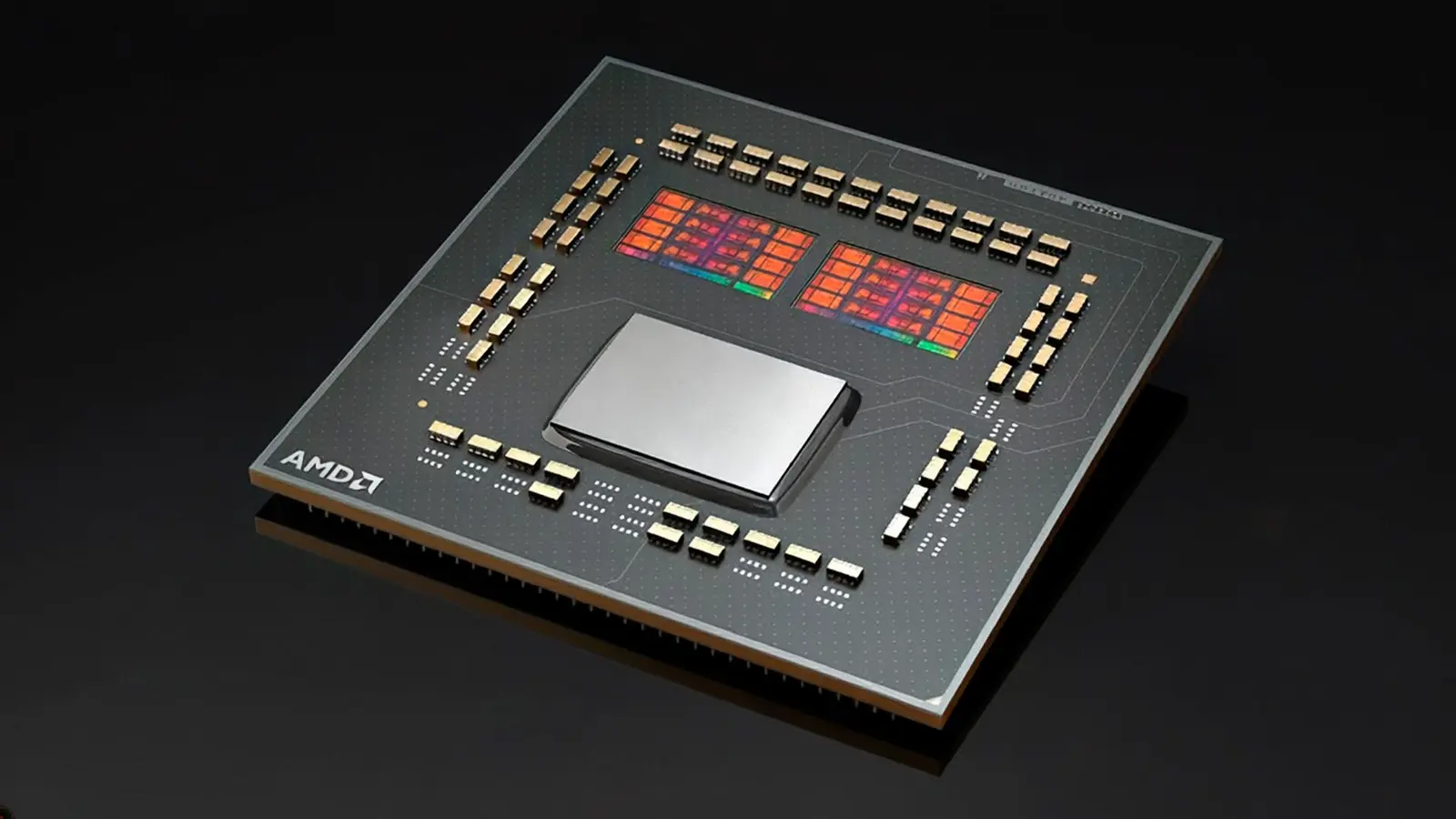 AMD's Canceled Ryzen 9 5900X3D Leaks Online
 California Subpoenas OpenAI Over Autonomous AI Hacking Risks
 Nvidia-Backed UK Supercomputer Faces Multi-Year Power Delay
The core issue stems from security controls implemented at the hardware level that can restrict access to information essential for investigations. As Marc Witteman, Thomas Ostrowski, and Craig Mackson explain, forensic work traditionally relies on accessing files, communications, application data, and other evidence stored on or processed by electronic devices. However, these new hardware-level protections are creating barriers that didn't exist in earlier digital investigations.
Modern devices incorporate sophisticated security mechanisms directly into their hardware architecture. These protections, designed to safeguard user privacy and prevent unauthorized access, inadvertently complicate forensic analysis. Investigators who once could easily extract data through conventional methods now find themselves blocked by encryption and access controls embedded at the foundational hardware layer.
How Investigators Navigate New Technical Challenges
The problem extends beyond simple file recovery. Hardware-level security affects how investigators access transaction records, account information, and application-specific data that may be crucial to building case evidence. This creates a technological arms race between security designers and those seeking to retrieve information through legitimate investigative channels.
Digital forensics experts must now develop specialized approaches to work within these hardware-imposed limitations. The field is evolving to incorporate new methodologies that can operate effectively even when traditional access points are blocked by design.
Investigators are exploring alternative pathways to evidence, including working with device manufacturers, utilizing specialized hardware interfaces, and developing new software tools capable of bypassing certain restrictions while maintaining legal compliance. This requires significant investment in training and equipment as the field adapts to these new realities.
The implications extend beyond individual cases to broader questions about digital privacy, law enforcement capabilities, and the balance between security and investigative access in our increasingly connected world.
Frequently Asked Questions
What types of devices are most affected by these hardware-level security restrictions? Smartphones, tablets, and modern computers with built-in encryption and secure boot processes face the greatest challenges, as these protections are deeply integrated into their hardware design.
How are forensic experts adapting their methods to overcome these barriers? They're developing specialized hardware interfaces, collaborating with manufacturers for lawful access, and creating new software tools that can navigate hardware security while maintaining legal compliance.
What legal frameworks govern digital evidence access when hardware security blocks traditional forensic methods? Courts and legislation must balance privacy rights against investigative needs, often requiring new legal precedents and updated procedures for hardware-level evidence recovery.
Comments
Leave a comment