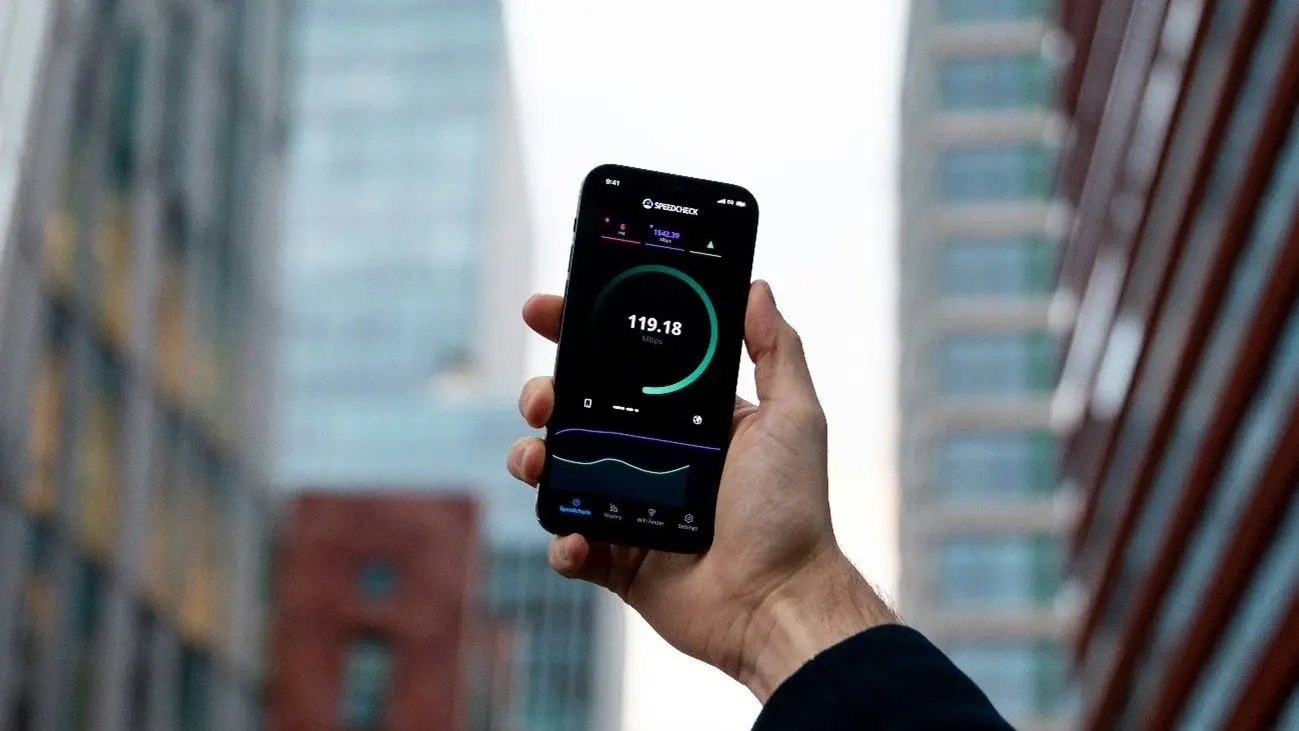
eSIMs Offer a Built‑in Shield Against Public Wi‑Fi Threats
A growing number of business travelers rely on their own devices to stay connected abroad, often without the safeguards that corporate IT departments can provide. Recent insights suggest that eSIM technology may offer a safer alternative to public Wi‑Fi and traditional VPNs, especially for those who travel frequently for work.
Latest news
 Nvidia’s Shield TV Pro Faces $100 Price Increase Due to Memory Shortage
 Sam Altman says ‘some bad things’ will happen, but AI is totally worth it
 Flying Deliveries Set for 2027: Walmart and Wing Target Denver and Seattle
 Poland Targets Google Over Local Media Practices
Many employees turn to public networks in airports, hotels, and cafés, exposing themselves to cyber risks such as data interception and malware. Traditional VPNs can help, but they are not always reliable when the local internet infrastructure is compromised or when the user fails to configure them correctly. eSIMs, which allow a device to switch carriers without a physical SIM card, promise a more secure and streamlined connection by automatically routing traffic through trusted mobile networks.
Unlike standard SIM cards, eSIMs can be provisioned remotely, enabling instant activation of a dedicated business line that bypasses public Wi‑Fi entirely. This reduces the attack surface for hackers who target open networks. Companies can also enforce corporate policies on the eSIM profile, ensuring that all traffic is encrypted and monitored. The result is a more reliable and secure data channel for sensitive communications.
Is a VPN Still Necessary When Using an eSIM?
While eSIMs provide a secure connection to a carrier’s network, they do not replace the need for end‑to‑end encryption. Business travelers should still use VPNs to protect data when accessing corporate resources. However, the combination of an eSIM and a VPN can significantly lower the risk of data breaches, as the initial link to the internet is already secure. Organizations that adopt eSIMs can also reduce the complexity of device management, since the SIM profile can be pushed and updated remotely.
The adoption of eSIM technology could change the way companies approach mobile security. By eliminating the need for physical SIM cards, businesses can quickly provision and revoke access for employees, ensuring that only authorized users remain connected. This flexibility is especially valuable for companies with high‑risk travel itineraries or those operating in regions with unreliable infrastructure.
Frequently Asked Questions
What is an eSIM? An eSIM is a digital SIM embedded in a device that can be activated and managed remotely, eliminating the need for a physical card.
Can eSIMs replace VPNs? No. eSIMs secure the connection to the carrier’s network, but VPNs are still needed for end‑to‑end encryption to corporate resources.
How quickly can an eSIM be activated? Activation can occur within minutes, often automatically when the device connects to a compatible network, making it ideal for last‑minute travel arrangements.
Comments
Leave a comment