A Growing Concern for Linux Users
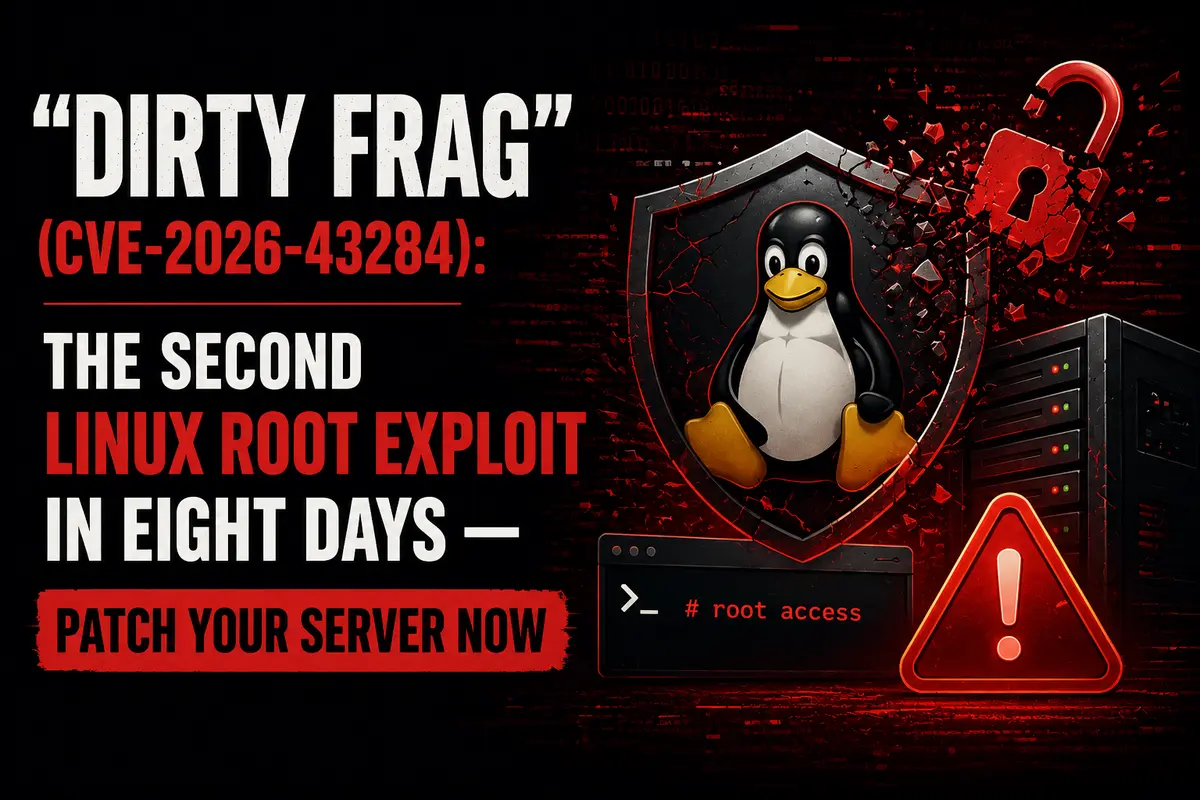
On May 9, 2026, a critical security flaw known as „Dirty Frag”(CVE-2026-43284) was identified in Linux systems. This vulnerability follows closely on the heels of another exploit named Copy Fail, which was revealed just eight days earlier. System administrators are urged to patch their servers immediately to prevent potential attacks.
Latest news
 Europe's Multilingual Reality Exposes AI Security Gaps
 Critical Flaw in ChatGPT Agent Fixed by OpenAI
 Dell XPS 13 (2026) Review: A PC Revolution
 Intel Needs to Leapfrog Rivals, Says CEO
The Dirty Frag vulnerability allows attackers to gain root access to Linux systems, posing a significant threat to users and organizations. This exploit takes advantage of memory management issues within the Linux kernel, enabling unauthorized users to execute arbitrary code. Experts warn that the rapid emergence of these vulnerabilities highlights a troubling trend in Linux security.
The discovery of Dirty Frag raises alarms about the overall security of Linux operating systems. Cybersecurity experts are increasingly concerned about the frequency of such exploits, particularly given that Copy Fail had already exposed similar weaknesses. In both instances, attackers could manipulate system memory, leading to potentially devastating consequences for affected systems.
How Can Users Protect Themselves?
The Linux community is responding swiftly. Developers are working on patches to mitigate the risks associated with Dirty Frag. Users are advised to remain vigilant and apply updates as soon as they become available. The prompt response from the community is crucial in safeguarding sensitive data and maintaining system integrity.
What steps should Linux users take to secure their systems? First and foremost, applying the latest security patches is essential. Users should regularly check for updates from their distribution maintainers and ensure that their systems are up to date. Additionally, employing security best practices, such as using firewalls and intrusion detection systems, can further enhance protection against potential exploits.
Frequently Asked Questions
As the frequency of Linux vulnerabilities increases, the potential consequences for users and organizations grow more severe. If left unaddressed, exploits like Dirty Frag can lead to unauthorized access, data breaches, and significant financial losses. The ongoing battle between developers and cybercriminals underscores the need for enhanced security measures within the Linux ecosystem.
What is Dirty Frag and how does it affect Linux systems? Dirty Frag is a vulnerability that allows attackers to gain root access to Linux systems by exploiting memory management flaws. This can lead to unauthorized control over affected systems.
What should I do if I use a Linux system? If you use a Linux system, it is crucial to apply the latest security patches immediately. Regularly check for updates and implement security best practices to protect your data.
Comments
Leave a comment