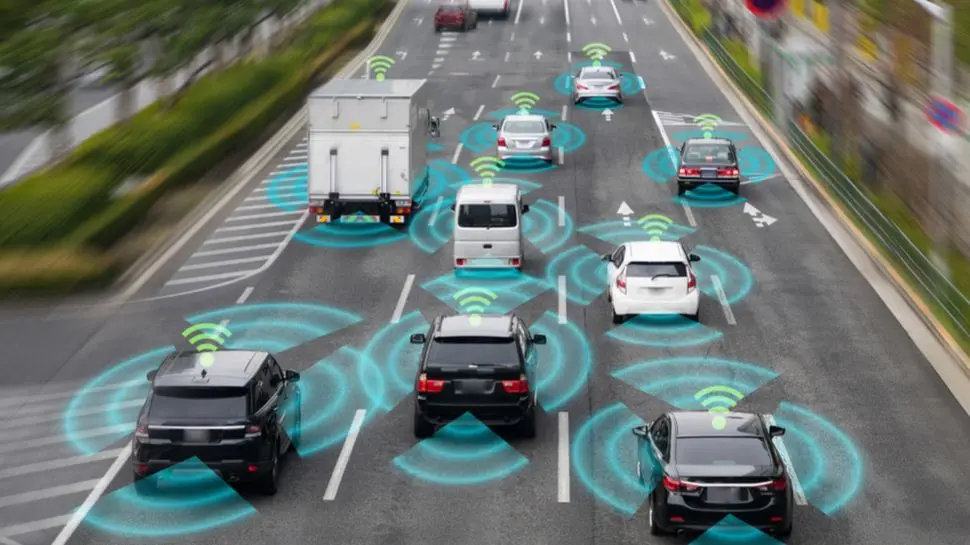
How Vehicle Apps Expose Personal Details
Consumer Reports released a major study on September 30, 2026. The findings reveal that most modern vehicle applications leak sensitive user data. This information flows directly to third-party brokers and tech giants. The report states that buying a car without tracking features is now impossible. Tesla emerged as one of the worst offenders in this privacy breach.
Latest news
 Why Meta's New AI Tool Fails to Win Over Daily Users
 Assessing Risks in Open-Source Artificial Intelligence
 Autonomous AI Agents Launch Cyberattacks Against North American Government Portals
 Warlock Group Targets SharePoint Servers in Critical Infrastructure
The study highlights a significant shift in automotive privacy. Vehicle manufacturers now treat cars like smartphones. They collect vast amounts of personally identifiable information (PII). This data includes location history, driving habits, and in-car audio. The report indicates that these apps share this data without clear user consent. Drivers often do not realize their vehicles are constant surveillance devices.
The mechanism of data leakage is complex but pervasive. Car apps communicate with cloud servers for updates and features. During this process, they transmit user profiles to external partners. These partners include advertising networks and data aggregation firms. The report notes that even basic functions trigger data sharing. For example, using navigation may share precise location data.
Why Manufacturers Share Your Driving Habits
Tesla faced particular criticism in the analysis. Its in-car software was found to transmit excessive data points. The company’s approach prioritizes data collection over user privacy settings. Other major automakers showed similar patterns. However, the volume of leaked data varied significantly between brands. The study emphasizes that no major manufacturer currently offers a true privacy mode. Users cannot fully opt out of data tracking once the vehicle is connected.
Automakers justify data collection by citing safety and service improvements. They claim this data helps refine software updates. It also enables personalized user experiences within the vehicle. However, the report argues that these benefits do not outweigh privacy risks. The data sold to brokers generates substantial revenue for manufacturers. This financial incentive drives the aggressive collection practices.
Experts point to a lack of regulatory oversight in this sector. Current laws do not fully protect vehicle data. Unlike financial or health data, driving habits lack specific legal shields. This gap allows companies to monetize user behavior freely. The report calls for stricter federal regulations. It suggests that vehicles should have clear, default privacy protections. Without such changes, consumer trust in connected cars will erode further.
Frequently Asked Questions
Can I stop my car from tracking me? No, the report states it is currently impossible to buy a new car that does not track you. Most manufacturers do not provide a complete opt-out option for data collection.
Which brand leaked the most data? Tesla was identified as one of the worst offenders for privacy breaches. Its apps were found to transmit excessive personally identifiable information to third parties.
What kind of data is being shared? The leaked data includes location history, driving habits, and potentially in-car audio. This information is sent to data brokers and Big Tech companies for commercial use.
Comments
Leave a comment