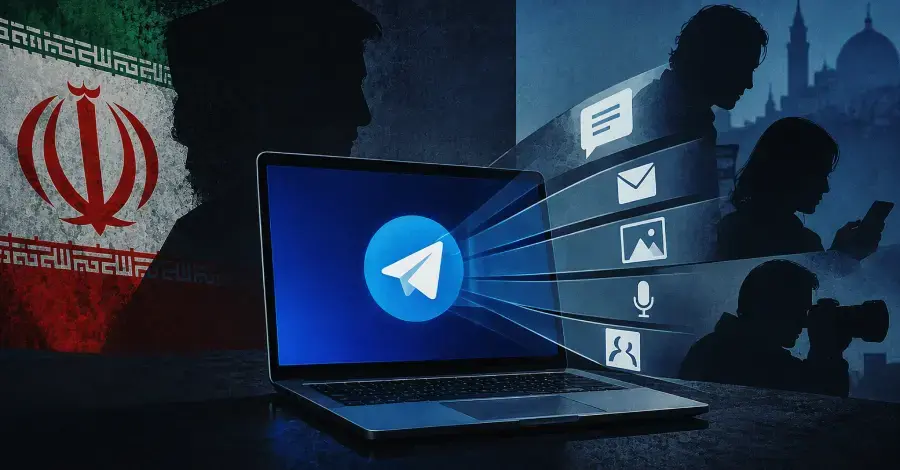
Digital Surveillance Operations Target Vulnerable Voices
Cybersecurity authorities from the United States, the United Kingdom, and the Netherlands released a joint advisory exposing a sophisticated Windows spyware operation. Tied directly to Iranian intelligence services, the campaign systematically targets journalists, human rights activists, and political dissidents across international borders to suppress overseas dissent.
Latest news
 Anker Unveils Playful 45W Charger With Animated Face Display
 Google Docs Web Version Still Missing Native Dark Mode
 Anthropic-Linked Vulnerability Exploited From China, Targets US and Japan
 Text‑Based AI Agents: Your New Digital Assistants
The surveillance tool operates through the popular Telegram messaging application, utilizing its infrastructure to command infected machines and harvest sensitive files. By leveraging a mainstream platform for command and control, the attackers blend malicious traffic seamlessly with legitimate communications, complicating detection efforts by traditional security software.
Intelligence analysts revealed that the malicious software allows operators to execute remote commands, extract private documents, and monitor user activity without detection. This digital intrusion specifically focuses on individuals deemed critical of the Iranian government, exposing networks of opposition figures living abroad.
How Does the Telegram-Controlled Spyware Function?
Western security agencies emphasize that this operation reflects a broader trend of state-backed threat actors utilizing commercial cloud services and chat apps. Such tactics reduce infrastructure costs while increasing the difficulty of attribution for defensive teams.
The malware establishes communication channels through Telegram bots, allowing operators to send instructions and retrieve stolen data remotely. This architecture provides resilience against traditional blocking measures, as shutting down standard messaging channels is rarely feasible for network administrators.
Frequently Asked Questions
The joint international advisory urges high-risk individuals, including reporters and political activists, to strengthen their digital hygiene immediately. Organizations are advised to monitor unusual messaging app traffic and deploy advanced endpoint detection systems to spot unauthorized remote access attempts.
Q: Which countries revealed the Iranian spyware campaign? A: Cybersecurity agencies from the United States, the United Kingdom, and the Netherlands published the joint advisory detailing the threat.
Q: Who is the primary target of this espionage operation? A: The campaign specifically targets journalists, political dissidents, and human rights activists operating outside of Iran.
Comments
Leave a comment