How the Dual-Tool Strategy Enhances Covert Operations
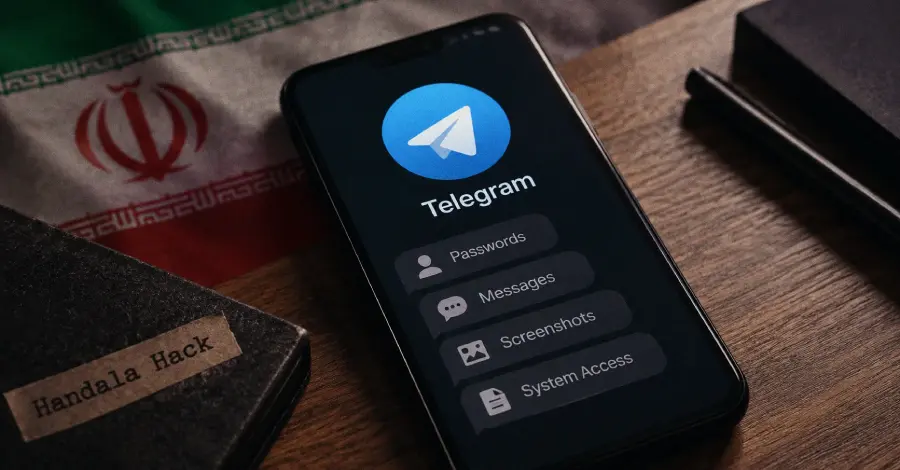
Security researchers have linked the Iran-affiliated hacktivist group Handala Hack to a new surveillance tool named HEAVYGRAM. This Telegram-based backdoor allows attackers to steal passwords and monitor user activity remotely. The discovery highlights growing threats to popular messaging platforms used for covert communications. The group also utilizes a separate utility called CRUDEEXCLUDE for additional operational support.
Latest news
 Major AI firms recorded peak lobbying expenses last summer
 Apple Magic Keyboards for iPad Drop to Half Price at Woot
 Microsoft Provides Fix for Broken Exchange Online Apps
 Security Breach at AI Aggregator Exposes 18 Million Files and Private Chats
The HEAVYGRAM malware embeds itself within the Telegram application infrastructure. It provides built-in commands that enable remote execution of code on victim devices. Attackers can gather detailed system, network, and process information without user knowledge. This capability turns a trusted communication channel into a vector for espionage. The tool specifically targets password credentials, making it dangerous for high-value targets.
Handala Hack employs a two-pronged approach using both HEAVYGRAM and CRUDEEXCLUDE. While HEAVYGRAM handles primary surveillance and data exfiltration, CRUDEEXCLUDE serves as a supporting Delphi-based utility. This combination allows the group to maintain persistent access while minimizing detection risks. The use of Delphi, a less common language for modern malware, suggests an effort to evade standard signature-based defenses. By leveraging Telegram’s widespread adoption, the hackers exploit user trust in the platform’s security features.
Why Telegram Remains a Prime Target for State Actors
The attribution to Handala Hack connects this activity to broader Iranian cyber operations. The group often operates under a hacktivist banner, blending political messaging with technical espionage. Their focus on Telegram reflects the platform’s popularity among activists, journalists, and government officials. The ability to steal passwords directly from the client increases the likelihood of lateral movement within compromised networks. Researchers note that the backdoor’s command set is extensive, covering various reconnaissance tasks.
Telegram’s end-to-end encryption marketing creates a false sense of security for many users. However, the client-side implementation remains vulnerable to sophisticated backdoors like HEAVYGRAM. State actors prefer targeting messaging apps because they contain sensitive metadata and conversation logs. The HEAVYGRAM tool demonstrates how attackers can bypass encryption by compromising the device itself. This shift from server-side attacks to client-side implants marks a significant evolution in cyber espionage tactics.
Frequently Asked Questions
The implications for digital security are significant. Organizations relying on Telegram for secure communications must now audit their endpoints for known backdoors. Users should consider multi-factor authentication and regular software updates to mitigate risks. As Iranian cyber capabilities continue to advance, other messaging platforms may face similar scrutiny. The discovery of HEAVYGRAM serves as a warning that even encrypted channels require robust endpoint protection. Security teams should prioritize threat intelligence sharing to identify new variants of these tools early.
Is HEAVYGRAM only active on mobile devices? Current analysis suggests the backdoor primarily targets desktop and mobile clients where Telegram is installed. The specific architecture allows it to run in the background across multiple operating systems.
Does CRUDEEXCLUDE communicate directly with the attacker? CRUDEEXCLUDE acts as a helper utility that supports the main HEAVYGRAM payload. It facilitates file manipulation and process management to aid the primary surveillance functions.
Comments
Leave a comment