How the Breach Unfolded and Why It Matters
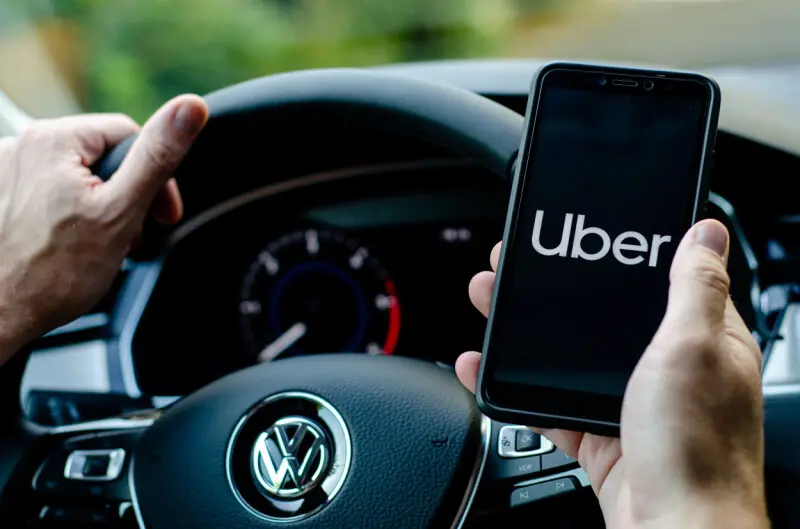
Uber disclosed that a breach at a third‑party artificial‑intelligence provider exposed personal details of nearly 150,000 drivers. The intrusion was discovered in early March, and the company promptly notified authorities and began notifying affected users. The compromised information includes driver’s license numbers, names, and contact details, raising concerns about identity theft and fraud.
Latest news
 Smart TVs frequently lose their Wi-Fi connection, leaving viewers staring at a spinning loading icon
 Why Ignoring Car Software Updates Is Risky
 Apple's foldable iPhone Duo introduces dual-display multitasking capabilities
 FCC Weighs Reciprocal Limits on Foreign Satellite Firms
The attackers gained access by stealing credentials from the AI vendor’s internal systems. Once inside, they navigated to a database that stored driver verification records, a key component of Uber’s safety checks. Uber says the breach did not affect rider data or payment information. The company is working with cybersecurity firms to trace the perpetrators and strengthen its supply‑chain defenses. Industry analysts note that reliance on external AI tools can broaden attack surfaces, especially when vendors handle sensitive verification data.
The AI vendor, which provides image‑recognition services to verify driver documents, stored scanned copies of licenses in an unencrypted format. Hackers exploited weak password policies and used phishing techniques to obtain an administrator account. After logging in, they extracted a bulk dump of driver records and vanished before detection systems raised an alarm.
Uber’s security chief, Maria Gonzales, told reporters that the breach „highlights the need for rigorous third‑party risk assessments.” She added that the company has already mandated multi‑factor authentication for all vendors and is auditing encryption practices across its ecosystem.
Could Similar Attacks Target Other Ride‑Sharing Platforms?
Experts warn that stolen license data can be sold on dark‑web markets, enabling fraudsters to create synthetic identities or bypass background checks. „When a driver’s license is compromised, the ripple effects can reach banks, insurers, and even law‑enforcement databases,” said cybersecurity analyst Daniel Reed of SecureNet Labs.
The incident raises a broader question about the vulnerability of gig‑economy platforms that outsource critical verification tasks. Many competitors rely on comparable AI services to streamline onboarding, meaning a breach at one vendor could expose multiple companies’ data.
Regulators in several states have begun scrutinizing data‑handling practices of transportation networks, urging stricter oversight of third‑party providers. Uber has pledged to cooperate fully with ongoing investigations and to provide affected drivers with free credit‑monitoring services for a year. The company also plans to launch a public dashboard tracking the status of its security enhancements.
Frequently Asked Questions
The fallout from the breach will likely prompt a wave of policy revisions across the industry. As firms tighten contracts with AI suppliers, they may also invest in in‑house verification tools to reduce reliance on external databases. For drivers, the incident serves as a reminder to monitor personal records and report any suspicious activity promptly.
What specific driver information was stolen? The breach exposed names, mailing addresses, phone numbers, and driver’s license numbers of approximately 150,000 Uber drivers. No payment card or ride‑history data was reported as compromised.
How is Uber responding to the incident? Uber has engaged independent cybersecurity firms, mandated multi‑factor authentication for all vendors, and offered one year of free credit‑monitoring to affected drivers. The company is also conducting a comprehensive audit of its data‑security practices.
Will this affect riders or the safety of the platform? Rider information and payment details remain secure. The breach primarily impacts driver verification records, and Uber says it has not observed any direct impact on rider safety or service continuity.
Comments
Leave a comment