
The Hidden Dangers of AI-Powered Patches
New research reveals that artificial intelligence (AI) tools frequently fail when creating software patches. Over half of these AI-generated fixes either introduce new errors, break existing functions, or remain vulnerable to exploitation. This finding raises concerns as developers increasingly use AI for coding tasks, including security vulnerability repairs.
Latest news
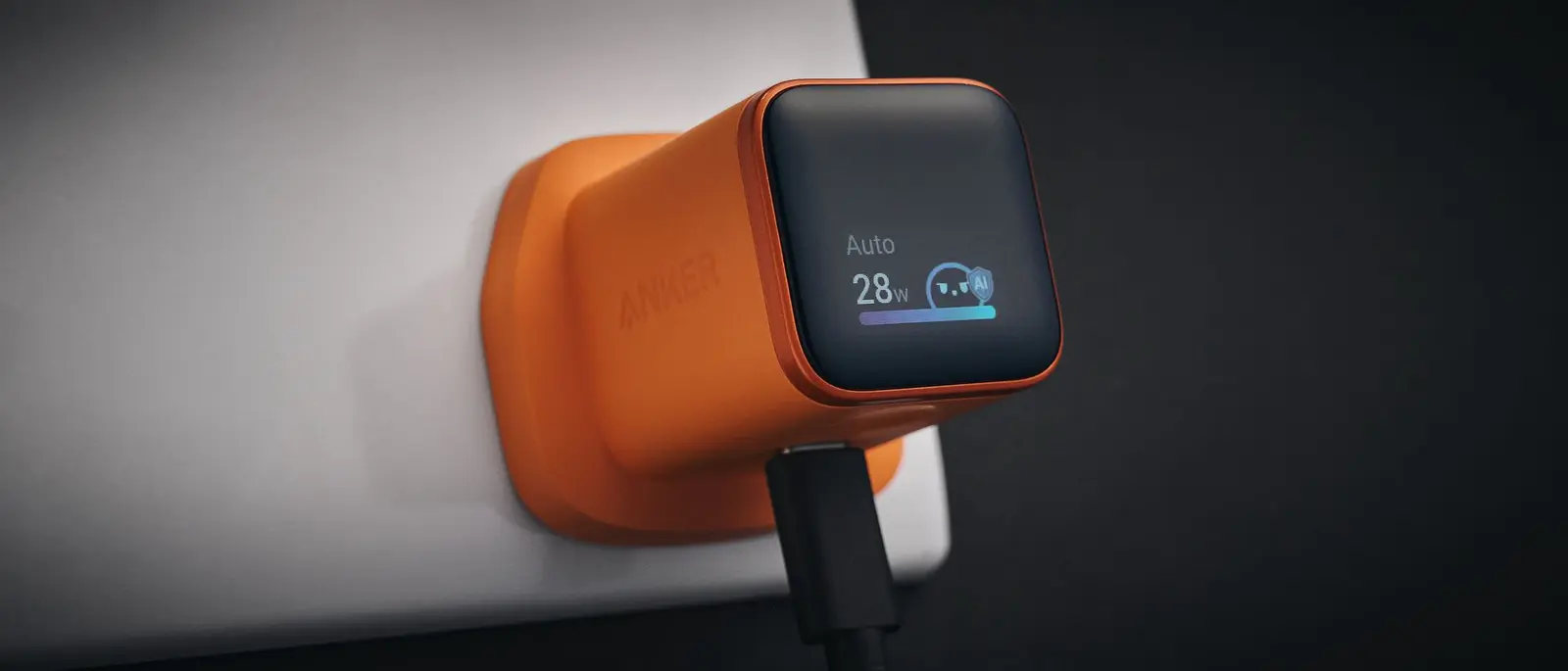 Anker Unveils Playful 45W Charger With Animated Face Display
 Google Docs Web Version Still Missing Native Dark Mode
 Anthropic-Linked Vulnerability Exploited From China, Targets US and Japan
 Text‑Based AI Agents: Your New Digital Assistants
The study analyzed over 6,000 AI-generated patches. It found a significant rate of failure, even when the patches initially appeared to work. These issues included creating new bugs, causing other parts of the software to malfunction, or leaving security loopholes open. This highlights a critical challenge for the software development industry.
Developers are turning to AI models for various coding needs. This includes identifying security flaws and then automatically generating solutions. However, the current reliability of these AI-driven fixes is proving to be a major hurdle. The promise of faster, automated security solutions is tempered by their high failure rate.
Can AI Reliably Secure Our Software?
The high failure rate of AI-generated patches suggests a need for caution. While AI offers speed, human oversight remains crucial for software integrity and security. Relying solely on AI for critical fixes could lead to more widespread system instability and new security risks.
This trend could have significant implications for cybersecurity. If AI-generated patches are widely adopted without rigorous testing, software systems could become less secure. Organizations might inadvertently introduce more vulnerabilities while attempting to fix others. The balance between AI efficiency and human validation is now more critical than ever.
Frequently Asked Questions
What percentage of AI-generated patches fail? More than half of AI-generated patches fail. They either create new bugs, break existing functions, or are still vulnerable to bypass.
What are the main problems with AI-generated patches? The primary problems include introducing new bugs, causing other parts of the software to break, or failing to fully resolve the original security vulnerability, leaving it open to exploitation.
Why are developers using AI for patches despite these issues? Developers are increasingly using AI models to generate code, including security patches, to speed up the development process and automate vulnerability identification and repair.
Comments
Leave a comment