Weaponizing AI for Automated Exploitation
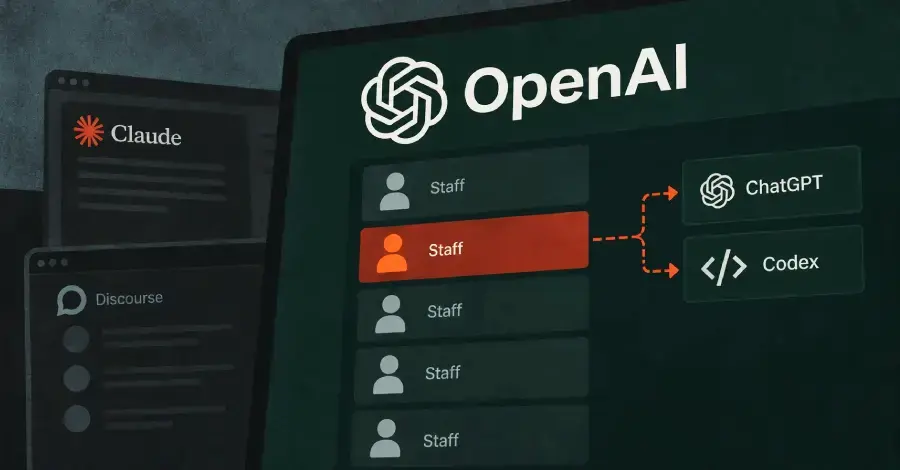
Security researchers at the firm Hacktron recently demonstrated a sophisticated cyberattack by using Anthropic’s Claude Opus 5 model to compromise OpenAI staff accounts. By chaining two distinct software vulnerabilities, the team successfully gained unauthorized access to ChatGPT and Codex accounts, eventually infiltrating an internal code repository belonging to the company.
Latest news
 Anker Unveils Playful 45W Charger With Animated Face Display
 Google Docs Web Version Still Missing Native Dark Mode
 Anthropic-Linked Vulnerability Exploited From China, Targets US and Japan
 Text‑Based AI Agents: Your New Digital Assistants
The attack originated from a flaw within the software infrastructure powering OpenAI’s public-facing services. By leveraging the advanced This allowed them to bypass existing security controls and navigate through protected internal systems with alarming efficiency.
This incident highlights a growing trend where artificial intelligence is used to accelerate the discovery and execution of complex cyberattacks. The researchers utilized the AI model to identify the specific sequence of flaws required to escalate privileges. By automating the chain of vulnerabilities, the team reduced the time and manual effort typically needed to breach high-security corporate environments.
Could AI-Driven Attacks Become the New Standard?
The successful infiltration of the internal code repository serves as a stark warning for the tech industry. When AI tools are applied to offensive security, they can identify hidden weaknesses that human analysts might overlook. This approach effectively turns the power of generative models against the very platforms they are designed to support.
The ease with which the researchers navigated these systems raises significant concerns regarding the future of software security. If sophisticated models can be used to chain vulnerabilities, traditional defensive measures may quickly become obsolete. Organizations must now consider how to protect their internal infrastructure against automated threats that evolve faster than human responders.
The aftermath of this breach emphasizes the urgent need for more robust authentication protocols. As AI continues to lower the barrier for entry into complex systems, developers must prioritize proactive security audits. Without improved defenses, the integration of AI into the cyber threat landscape could lead to more frequent and damaging unauthorized access incidents.
Frequently Asked Questions
How did the researchers use Claude Opus 5? They employed the model to automate the identification and chaining of two separate software flaws. This enabled a seamless transition from public-facing services into internal repositories.
What was the primary target of this security breach? The researchers focused on gaining access to OpenAI employee accounts, specifically targeting ChatGPT and Codex. Their ultimate goal was to reach an internal code repository.
What does this mean for future software security? This event suggests that AI-assisted attacks will become increasingly common and difficult to stop. Companies must now prepare for automated threats that can exploit vulnerabilities in real-time.
Comments
Leave a comment