
The Robotics Readiness Gap Widens
A new Intel report reveals that 60% of business leaders anticipate deploying robots in their workplaces within the next five years, signaling a pivotal shift toward automation. However, the study identifies significant barriers, including outdated infrastructure and unclear strategic planning, that could slow this transformation. The findings highlight a growing Robotics Readiness Gapthreatening to stall widespread adoption despite increasing technological feasibility.
Latest news
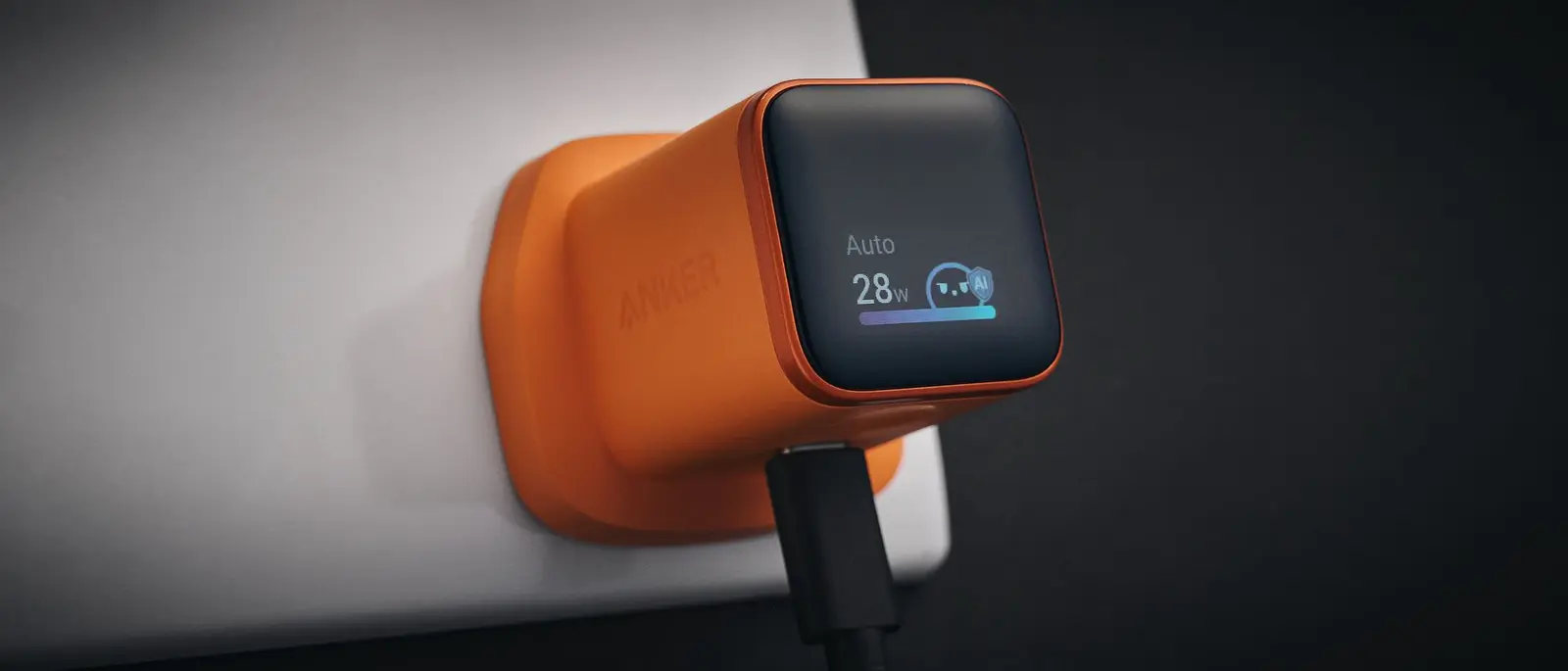 Anker Unveils Playful 45W Charger With Animated Face Display
 Google Docs Web Version Still Missing Native Dark Mode
 Anthropic-Linked Vulnerability Exploited From China, Targets US and Japan
 Text‑Based AI Agents: Your New Digital Assistants
The report underscores that while companies are eager to integrate robots for tasks ranging from manufacturing to customer service, many lack the foundational systems needed to support advanced automation. Organizations are investing in robotics without aligning their infrastructure or workforce training,noted a senior analyst at Intel. This misalignment creates inefficiencies, such as incompatible software platforms and insufficient data-sharing frameworks, which hinder seamless robot-human collaboration.
Will Companies Be Ready for the Robot Revolution?
Survey data from over 500 global enterprises shows that only 35% have updated their IT infrastructure to handle real-time robot operations. Additionally, 48% of respondents admitted their companies lack a cohesive strategy for managing robot deployment, leading to fragmented projects and wasted resources. Experts warn that without coordinated efforts, businesses risk falling behind competitors who prioritize infrastructure upgrades and employee retraining.
Industry leaders are divided on the timeline for full-scale adoption. While 72% of executives believe robotics will become standard by 2030, only 22% feel confident in their ability to execute the transition smoothly. Analysts suggest that proactive investment in cloud-based systems, AI integration, and cross-departmental collaboration could bridge the gap. The technology is ready. The challenge is organizational will,argued one report contributor.
What is the primary barrier to robot adoption in workplaces? Infrastructure limitations and strategic misalignment are the top obstacles, according to Intel’s survey. Companies often implement robotics without upgrading legacy systems or defining clear operational goals.
Frequently Asked Questions
How are businesses preparing for robot integration? Some firms are partnering with tech providers to modernize infrastructure, while others focus on upskilling employees to work alongside robots. However, these efforts remain uneven across industries and regions.
When will robots become common in offices? Intel predicts 60% of businesses will operate robots by 2030, but widespread adoption depends on resolving infrastructure gaps and fostering strategic planning. Early adopters are likely to gain a competitive edge.
Comments
Leave a comment