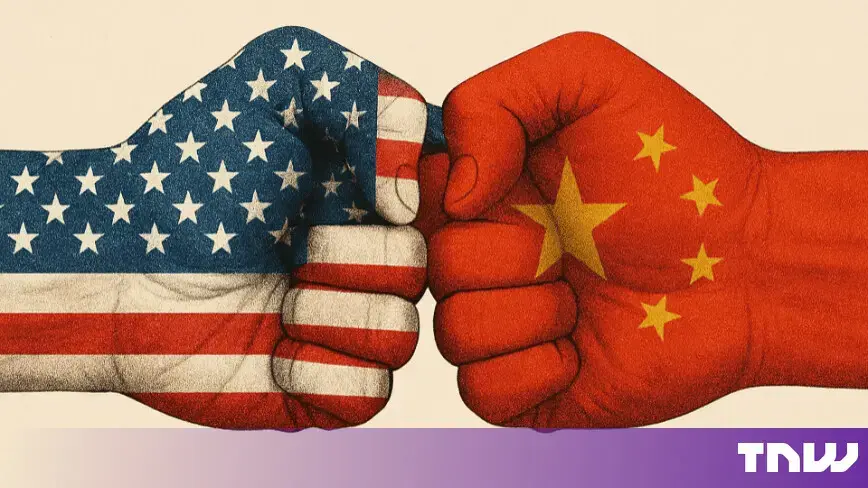
Forcing a Digital Divorce
The United States government is preparing to issue a firm ultimatum to its international allies regarding artificial intelligence development. According to recent reports, the State Department intends to pressure friendly nations to abandon Chinese AI ecosystems. Washington argues that countries can no longer maintain deep technological ties with both American and Chinese platforms simultaneously.
Latest news
 Anker Unveils Playful 45W Charger With Animated Face Display
 Google Docs Web Version Still Missing Native Dark Mode
 Anthropic-Linked Vulnerability Exploited From China, Targets US and Japan
 Text‑Based AI Agents: Your New Digital Assistants
This diplomatic push signals a significant escalation in the ongoing geopolitical struggle for dominance in emerging technologies. By forcing a choice, the U. S. aims to secure its own supply chains and prevent sensitive data from flowing into Chinese-controlled systems. Officials believe that dual participation creates unacceptable security risks and undermines long-term strategic interests.
The strategy centers on the belief that AI infrastructure is now a critical matter of national security. Washington is concerned that integration with Chinese software and hardware leaves allied nations vulnerable to espionage or sudden service disruptions. The proposed mandate would require partners to align their digital architecture strictly with U. S. standards.
Will Allies Sacrifice Economic Ties for Security?
This policy shift suggests that the era of open-market collaboration in AI is coming to a rapid close. Countries that have relied on a mix of Western and Chinese technology must now decide which path offers more stability. For many, this decision carries heavy economic consequences, as shifting entire ecosystems requires massive financial investment and infrastructure overhauls.
The ultimatum places many nations in a difficult position between their primary security partner and their significant trading partners. While many allies share U. S. concerns regarding data privacy, they also fear the economic fallout of cutting ties with China. The success of this American initiative depends on whether the U. S. can provide viable, cost-effective alternatives to fill the void.
Frequently Asked Questions
If the push succeeds, it will effectively split the global AI market into two distinct, competing spheres. This fragmentation could slow global innovation while creating a more rigid, polarized international landscape. The coming months will reveal how many nations are willing to risk their commercial relationships to satisfy Washington’s new security requirements.
What is the primary goal of the new U. S. policy? The U. S. aims to force its allies to detach from Chinese AI ecosystems to protect national security. It seeks to ensure that critical digital infrastructure remains aligned solely with American technology.
Why is the U. S. demanding this change now? Washington views AI as a vital strategic asset that cannot be shared with rivals. Officials believe that maintaining ties with both American and Chinese systems poses an unacceptable risk to global data integrity.
Comments
Leave a comment