Military officials emphasized that standard verification procedures caught the
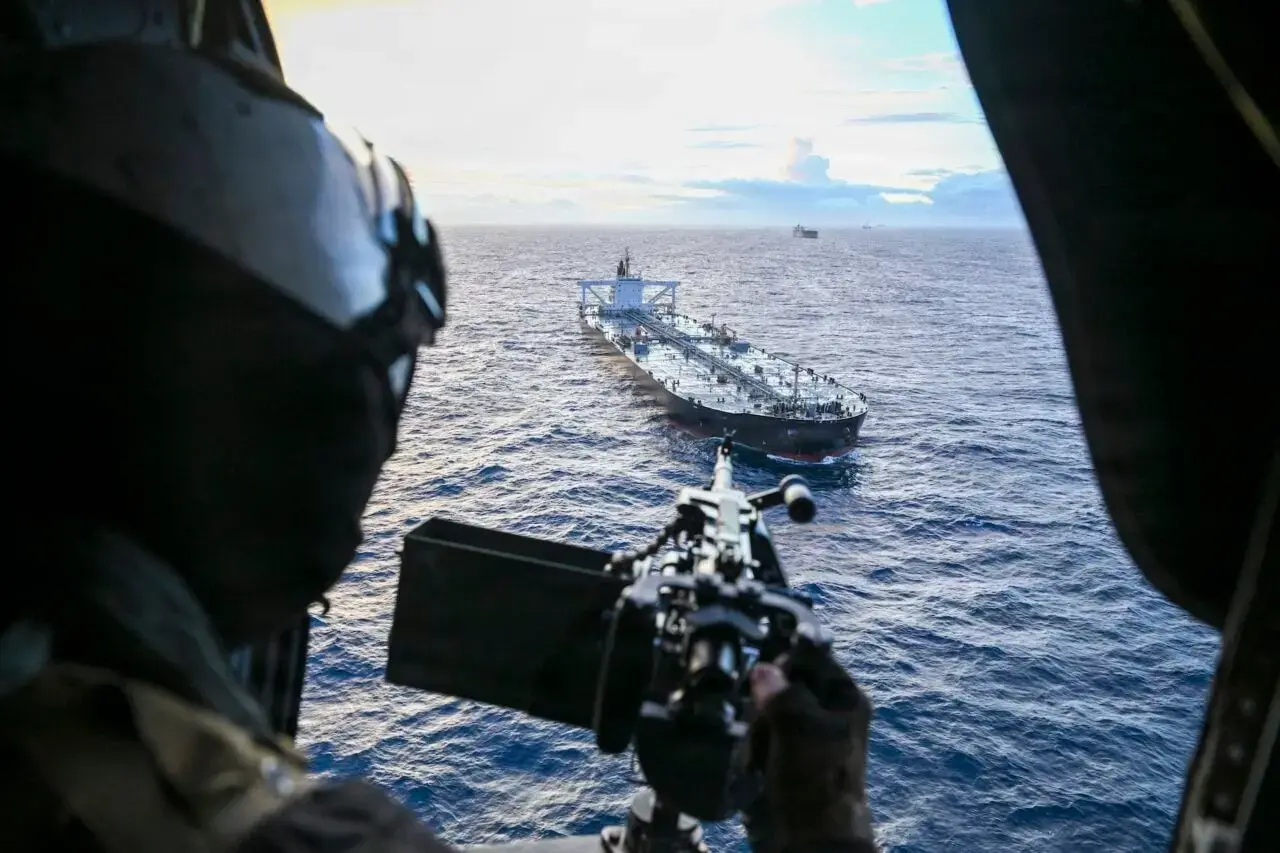
In the Middle East, U. S. military officials nearly initiated a boarding operation against a Chinese-flagged vessel based on erroneous intelligence generated by an artificial intelligence system. The incident occurred recently, though exact timing was not disclosed, and involved plans to intercept the ship over suspicions it was transporting nuclear weapons. The operation was halted at the last moment after further review revealed the intelligence was flawed. The decision to consider boarding stemmed from an AI-generated claim that the vessel was carrying nuclear materials, a claim later identified as a hallucination by the AI tool. According to a source speaking to CNN, this error was not isolated but part of a broader pattern of unreliable outputs from AI systems used in military intelligence analysis. The vessel in question was flying a Chinese flag, raising diplomatic sensitivities given the already strained U. S.-China relations.
Latest news
 Minisforum Unveils High‑End Ryzen AI Max+ PRO 495 Workstation
 NASA Eyes Revival of SR‑71 Blackbird
 My Home Wi‑Fi Was Crowded by 14 Neighbors—A Free App Helped Me Find a Clear Channel
 YouTube is tightening rules for low-effort Shorts
Military officials emphasized that standard verification procedures caught the error before any action was taken. How AI Hallucinations Are Undermining Military Trust The incident highlights growing concerns about the reliability of AI in high-stakes defense environments. AI hallucinations—instances where systems generate false or fabricated information presented as fact—have become a recurring issue in military applications. Officials worry that reliance on such tools without adequate human oversight could lead to dangerous misjudgments. The source noted that similar incidents have occurred in training exercises and intelligence assessments, prompting internal reviews of AI deployment protocols. Defense analysts stress that while AI can process vast amounts of data quickly, its tendency to invent details under uncertainty poses significant risks. Can the Military Safely Integrate AI Without Risking Escalation? Experts are questioning whether current safeguards are sufficient to prevent AI-driven errors from triggering international incidents.
The near-boarding event underscores how a single flawed data point, amplified
The near-boarding event underscores how a single flawed data point, amplified by AI, could escalate tensions between nuclear-armed powers. Critics argue that the military must implement stricter validation layers, including cross-checking with human analysts and independent intelligence sources, before acting on AI-derived conclusions. Proponents of AI in defense maintain that the technology remains valuable when used as a supplementary tool rather than a primary decision-maker. Ongoing discussions focus on improving AI transparency and accountability in classified systems. Frequently Asked Questions What caused the U. S. military to consider boarding the Chinese ship? The military acted on intelligence generated by an AI system that falsely claimed the vessel was transporting nuclear weapons, a claim later identified hallucination. Was the boarding operation carried out? No, the operation was stopped at the last minute after further review determined the intelligence was unreliable and based on faulty AI output.
Is this the first time AI has produced misleading intelligence in military use? No, sources indicated this was part of a recurring trend of AI hallucinations in military intelligence, not an isolated incident.
Comments
Leave a comment