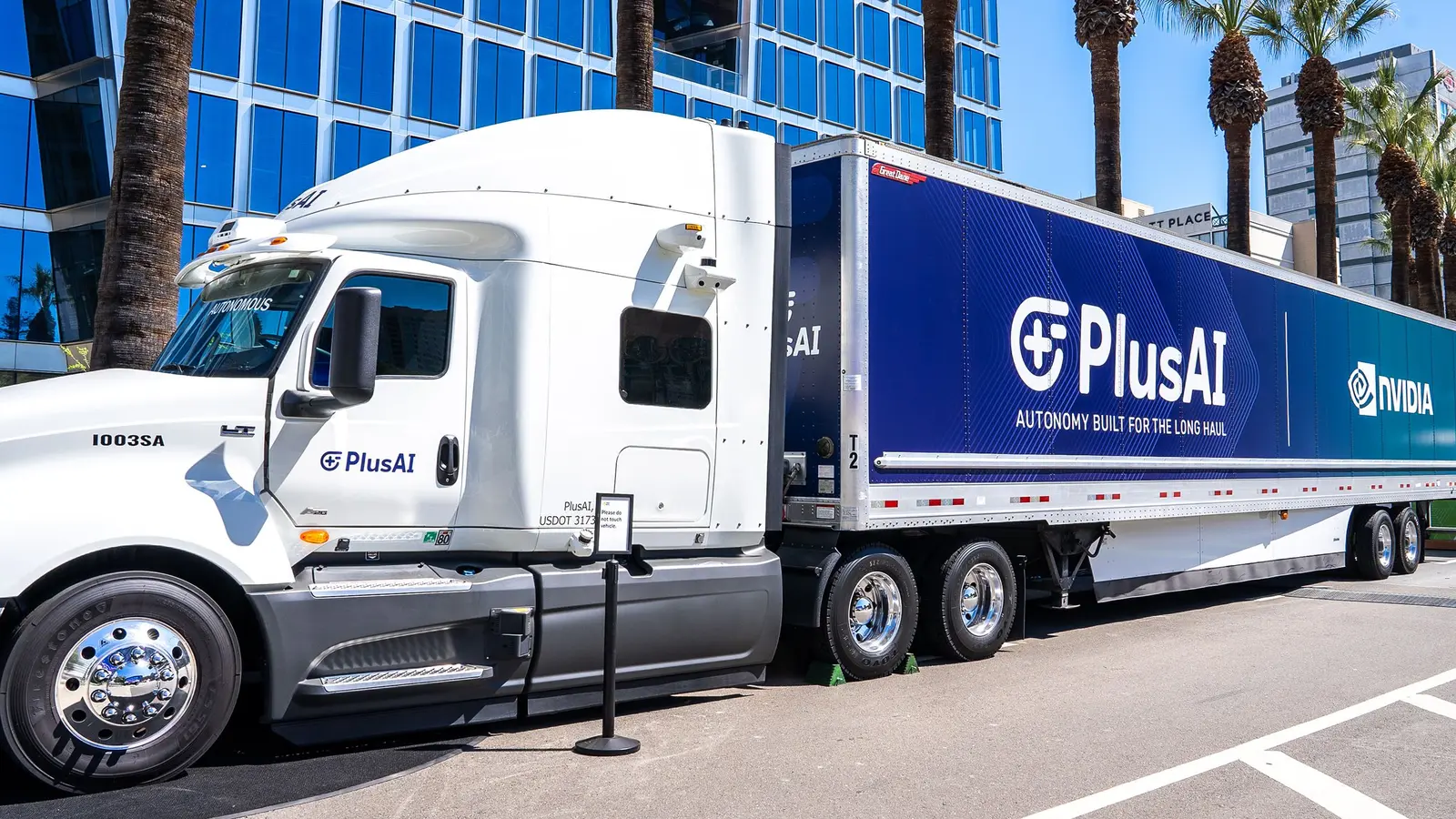
Why Did the Thieves Target Nvidia-Branded Trailers?
In September 2026, thieves targeted trailers marked with Nvidia branding at a logistics facility in Santa Clara, California, expecting to steal valuable silicon chips used in artificial intelligence hardware. Instead, they discovered the trailers were filled with 20 tons of silica sand, a material used for testing and packaging rather than actual semiconductor production. The incident occurred late at night when security cameras captured unidentified individuals forcing open trailer doors and inspecting the contents before fleeing the scene. Local police were alerted by the logistics company after employees noticed the breach during a routine morning check.
Latest news
 YouTube is tightening rules for low-effort Shorts
 Google releases Android 17 QPR 3 Beta 1 for testing
 Samsung Galaxy S26 FE Slashes $40 Off Its Launch Price
 Meta Launches Muse Gadgets to Bring Brain-Sensing Tech to DIY Hardware
The thieves likely believed the trailers contained high-value AI processors, given Nvidia’s prominence in the tech industry and the visible branding on the vehicles. However, the stolen trailers were part of a simulation setup used by PlusAI, a partner company, to test how equipment handles weight and vibration during transport. Silica sand is commonly used in such tests to mimic the density of real cargo without risking damage to actual hardware. According to sources familiar with the operation, the sand was non-toxic and inert, posing no hazard but offering no resale value. „They came for silicon but left with silica,” said one industry analyst familiar with the case, noting the irony of the mistake. No arrests have been made, and the investigation remains active as authorities review surveillance footage from nearby businesses.
What Happens to the Stolen Sand Now?
The choice to target trailers bearing Nvidia’s logo suggests the thieves conducted some level of reconnaissance, possibly assuming the shipments contained next-generation GPUs or AI accelerators in high demand on black markets. Nvidia’s H100 and Blackwell chips have been subject to supply chain constraints and premium pricing, making them attractive targets for theft. However, logistics experts note that real semiconductor shipments are typically unmarked, heavily secured, and transported under strict confidentiality protocols. The use of visible branding in this case was likely intentional for the test scenario, inadvertently misleading criminals. „It’s a case of misplaced confidence in visual cues,” said a supply chain security consultant. „Criminals often rely on logos and labels without verifying actual contents.”
The 20 tons of silica sand recovered from the scene has been deemed unusable for further testing due to potential contamination during the breach. PlusAI confirmed the material will be disposed of according to environmental safety guidelines, though it poses no toxic risk. The company stated it will review its security protocols for future simulations, including reconsidering the use of identifiable branding on test trailers. Law enforcement continues to pursue leads, but officials admit the lack of valuable cargo reduces the urgency of the case compared to actual chip thefts. Still, the incident highlights vulnerabilities in how companies signal the nature of their shipments, even in controlled environments.
Were any actual Nvidia chips stolen in this incident? No, the trailers contained only silica sand used for testing purposes. No semiconductor hardware was present or taken.
Frequently Asked Questions
Is silica sand dangerous or harmful? No, the silica sand used in logistics testing is non-toxic and inert. It poses no health or environmental hazard in this context.
Will PlusAI change how it marks test trailers? Yes, the company said it will evaluate its procedures, including potentially removing visible branding from future test shipments to avoid confusion.
Comments
Leave a comment