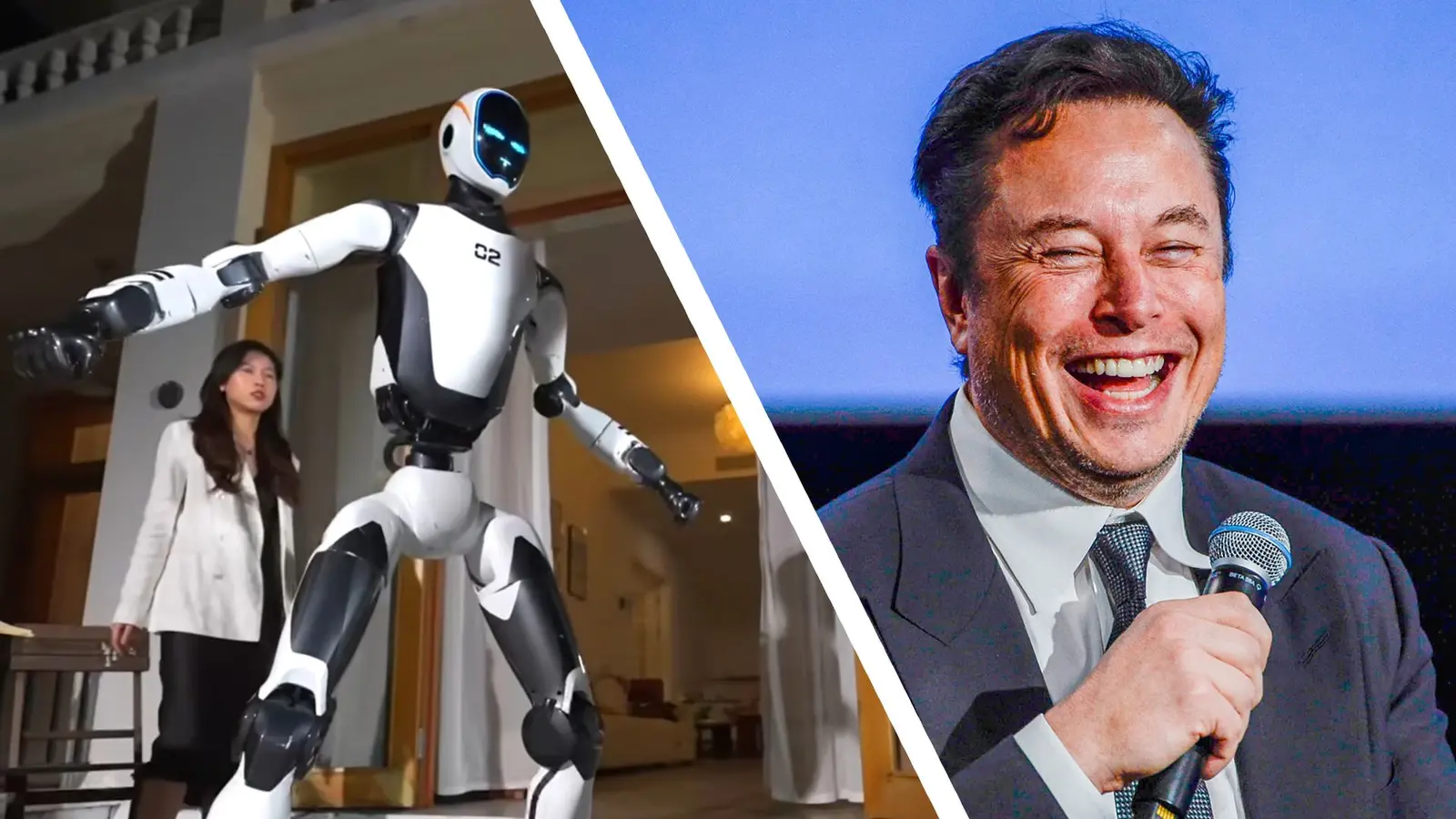
The Evolution of Autonomous Machines
Global robotics developers made major announcements this week, led by Unitree unveiling advanced self-evolving systems designed to challenge Tesla’s Optimus platform. The rapid convergence of artificial intelligence and hardware engineering means modern machines operate with unprecedented precision, navigating complex human environments while committing remarkably fewer operational errors.
Latest news
 Smart TVs frequently lose their Wi-Fi connection, leaving viewers staring at a spinning loading icon
 Why Ignoring Car Software Updates Is Risky
 Apple's foldable iPhone Duo introduces dual-display multitasking capabilities
 FCC Weighs Reciprocal Limits on Foreign Satellite Firms
Industry leaders accelerated their development timelines amid growing commercial demand for automated labor solutions. Companies are rapidly upgrading their underlying software architectures to grant machines greater autonomy in real-world scenarios. This latest wave of innovation showcases significant leaps in dexterity, environmental awareness, and human-robot interaction across multiple competing platforms.
Unitree highlighted its next-generation capabilities by demonstrating systems that adapt dynamically to unfamiliar surroundings without requiring constant human intervention. These self-evolving protocols allow the hardware to learn from past mistakes and optimize future movements independently. Meanwhile, rivals like Figure and Tesla continue refining their own bipedal designs to capture the emerging humanoid market.
Can Mechanical Labor Outpace Traditional Automation?
Tesla maintains a high profile with its Optimus project, aiming to mass-produce affordable workers for industrial and domestic settings. Competitors argue that open-ended learning algorithms could give alternative platforms an edge in unpredictable environments. Engineers are focusing heavily on neural network updates that process sensory data faster and more accurately than previous iterations.
Deploying general-purpose humanoids represents a massive paradigm shift away from single-task factory machinery toward versatile digital workers. Analysts predict these technologies will transform manufacturing, logistics, and eventually household chores as costs decrease over the coming decade.
Frequently Asked Questions
The relentless pace of hardware refinement suggests that humanoid systems will soon transition from controlled laboratory tests to messy, unpredictable public spaces. Manufacturers must still overcome substantial hurdles regarding battery life, processing power, and long-term mechanical reliability before widespread commercial adoption becomes economically viable.
What makes Unitree's latest robots different from older models? The new machines feature self-evolving software that allows them to learn and adapt to their environments independently. This reduces the need for constant programming updates by human engineers.
Are these humanoid robots ready for everyday home use? Not yet, as companies are currently focusing on industrial applications, manufacturing tasks, and controlled testing environments. Significant engineering challenges regarding power efficiency and safety remain.
Comments
Leave a comment