Engineers monitored how quickly web pages loaded, how seamlessly the OS handled
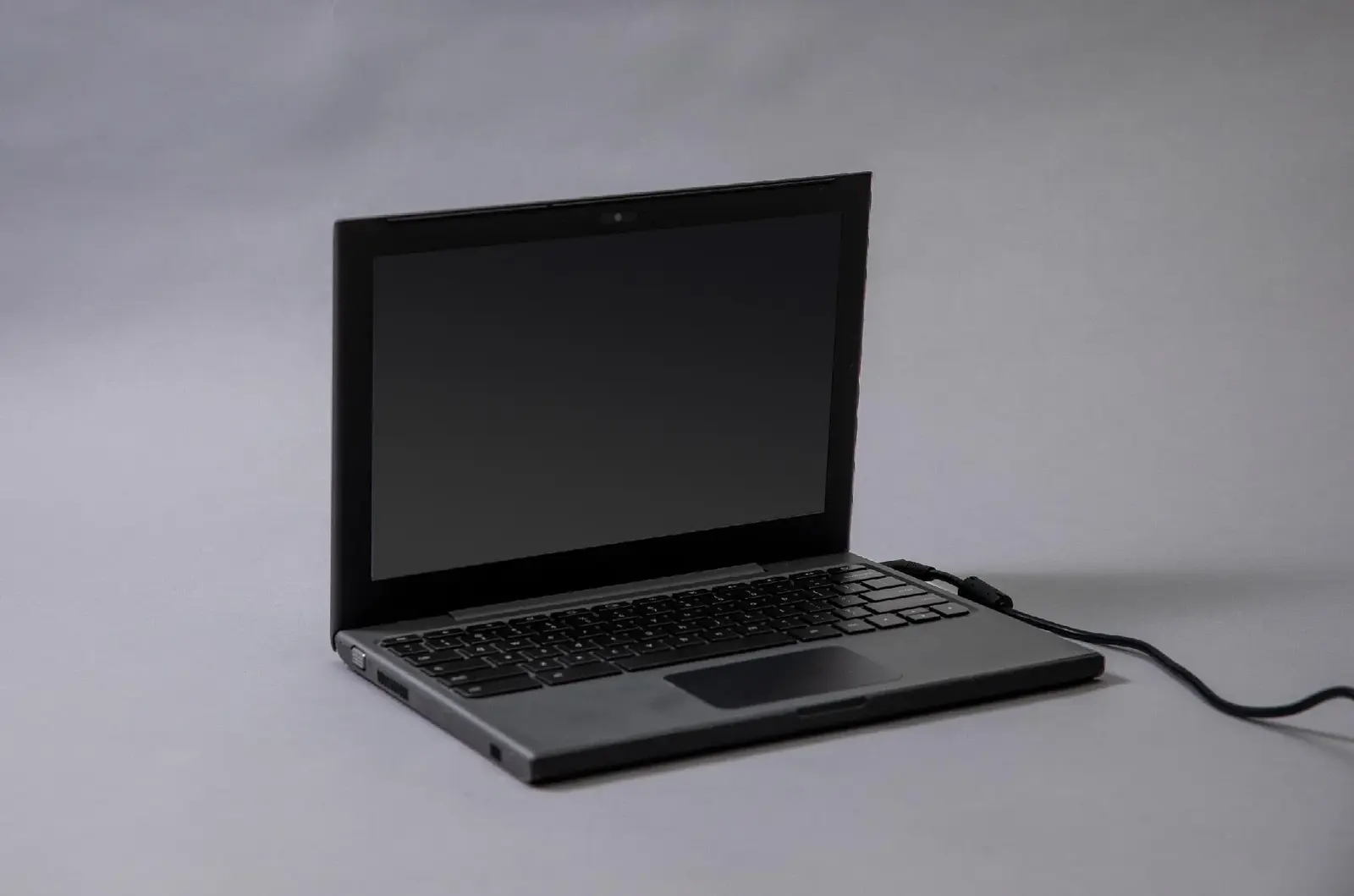
A quiet pioneer emerged from Google’s internal labs in 2009. The device, known internally as the Cr‑48, was the first machine to run Chrome OS, yet it never carried the name that would later define a generation of laptops. The Cr‑48 first appeared in a small San Mateo office in early 2009. It was a modest, 11‑inch laptop with a 1.2‑GHz Intel Celeron processor, 512 MB of RAM, and a 2‑GB solid‑state drive. The build was utilitarian: a gray chassis, a basic keyboard, and a single USB port. Google’s engineers tested the prototype in a series of internal demos, focusing on web‑centric workflows and cloud storage integration. # From Prototype to Product: How Chrome OS Took Shape The Cr‑48 was a testbed for the operating system that would later become Chrome OS.
Latest news
 The iPhone Duo Reimagines Smartphone Navigation
 Improper Redaction Exposes Google Data Center Resource Use in Lincoln
 I fed my messy Obsidian notes to Claude Code and it finally organized my digital brain
 Your Wi‑Fi Performance Is Suffering From a Simple Mistake
Engineers monitored how quickly web pages loaded, how seamlessly the OS handled multiple tabs, and how well the system could recover from crashes. They discovered that a lightweight, web‑first approach reduced boot times to under ten seconds. The team also realized that users could rely on cloud storage for all their files, eliminating the need for large local drives. „Every time we ran a new build, we saw a measurable drop in memory usage,” recalled a senior engineer who worked on the project. „It was clear that the browser could be the operating system.” The Cr‑48’s design was intentionally simple to keep costs low and to highlight the software’s capabilities.
The device was never meant for mass production
The device was never meant for mass production; it was a proof of concept that proved the concept of a browser‑based laptop. # Why the Name Was Never Adopted When the team presented the Cr‑48 to executives, the focus was on the operating system’s potential rather than the hardware. The name „Chromebook” was not yet coined; the marketing team had not yet decided on a brand identity. Consequently, the prototype was labeled only by its internal code, Cr‑48, and never appeared in public product catalogs. The name „Chromebook” would surface later, after Google refined the design and partnered with manufacturers for a commercial release. This early omission left a gap in the public record.
Tech historians now trace the lineage of Chrome OS back to this unheralded prototype, noting that the Cr‑48 set the stage for the sleek, affordable laptops that followed. # The Legacy of a Forgotten Prototype Today, Chrome OS powers millions of devices worldwide, from education to enterprise. The Cr‑48’s minimalist approach—lightweight hardware, cloud‑centric software, rapid boot times—remains a core philosophy. While the device itself never sold, its lessons shaped the design of later models, such as the 2011 Chromebook. The story of the Cr‑48 reminds us that groundbreaking products often start as simple, unglamorous prototypes. The lack of a catchy name did not hinder its influence; instead, it allowed engineers to focus on what mattered: delivering a fast, reliable web experience. Frequently Asked Questions What happened to the Cr‑48 prototype? The Cr‑48 was dismantled after internal testing.
Its components were reused in later prototypes, but the device itself was never sold or publicly displayed. Did the Cr‑48 influence later Chromebook designs? Absolutely. The hardware constraints and software performance metrics established during Cr‑48 testing guided the hardware specifications and user‑experience goals of subsequent commercial models. Why did Google never market the Cr‑48? Google focused on refining Chrome OS and securing manufacturing partners. The prototype was a proof of concept, not a consumer product, so it was never branded or released to the public.
Comments
Leave a comment