How the AI Filter Works
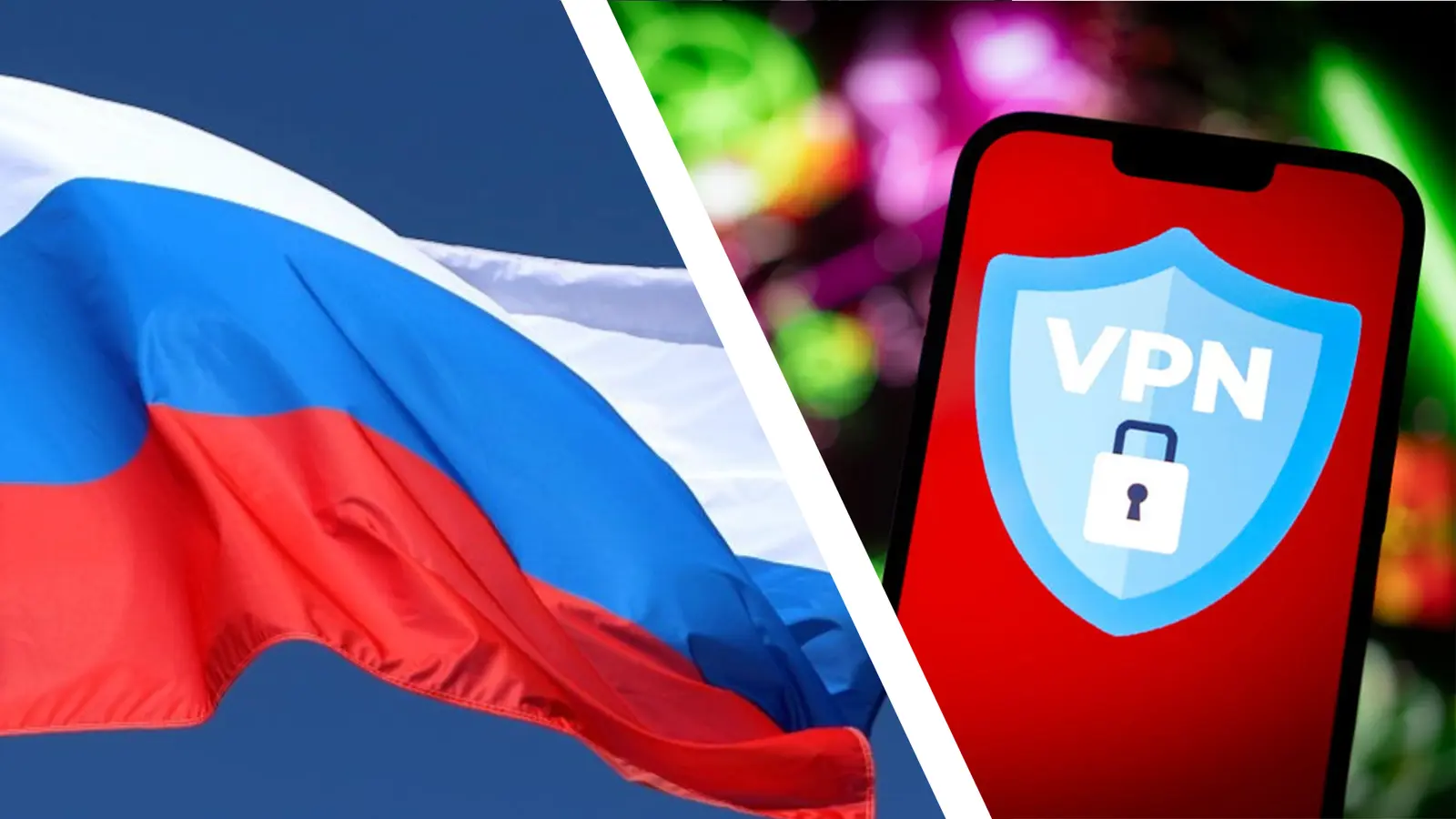
Russia has officially rolled out an artificial intelligence system to detect and block virtual private networks. The initiative, costing 2.27 billion rubles, integrates machine learning into the national web filtering infrastructure. Roskomnadzor, the country's communications watchdog, leads the effort to tighten digital controls.
Latest news
 Smart TVs frequently lose their Wi-Fi connection, leaving viewers staring at a spinning loading icon
 Why Ignoring Car Software Updates Is Risky
 Apple's foldable iPhone Duo introduces dual-display multitasking capabilities
 FCC Weighs Reciprocal Limits on Foreign Satellite Firms
The new filters analyze network traffic patterns to identify encrypted connections. They flag VPNs by examining packet timing and server behavior. This approach moves beyond simple IP blocking, making evasion significantly harder for users.
The system processes massive volumes of data in real time. It looks for statistical anomalies typical of VPN protocols. By learning from past traffic, the model improves its detection accuracy over time.
Will This End VPN Use in Russia?
Experts warn the rollout could impact all major VPN protocols. The technology targets the structural signatures of encrypted tunnels. Users may face increased latency or complete disconnections.
The crackdown reflects a broader strategy to control information flow. Authorities aim to reduce access to foreign news and social media. This move intensifies pressure on digital privacy in the region.
Frequently Asked Questions
How much did the AI filter cost? The project cost 2.27 billion rubles. This funding covers the integration of machine learning into the existing national filtering system.
What specific traffic patterns do the filters analyze? The AI examines packet timing and server connection patterns. These metrics help distinguish legitimate traffic from VPN tunnels.
Which agency is responsible for this deployment? Roskomnadzor, Russia's communications watchdog, officially deployed the filters. The agency oversees national internet regulation and content blocking.
Comments
Leave a comment