
Can Current Networks Keep Up?
The rise of artificial intelligence is transforming digital infrastructure, driving demand for greater processing power, storage, and connectivity. AI models require exponentially more resources, straining existing networks. Data centers and GPU clusters are struggling to keep pace.
Latest news
 Minisforum Unveils High‑End Ryzen AI Max+ PRO 495 Workstation
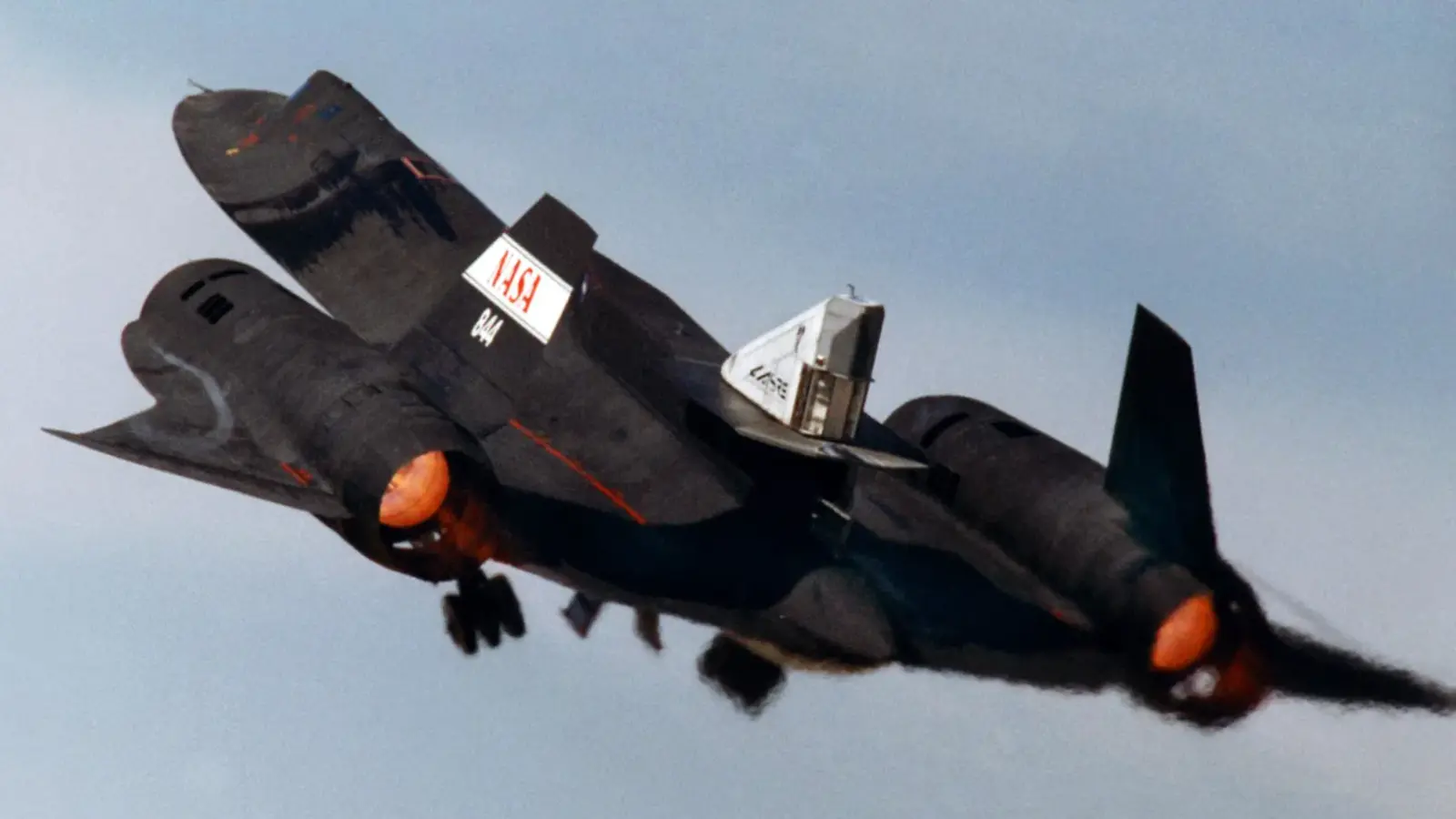 NASA Eyes Revival of SR‑71 Blackbird
 My Home Wi‑Fi Was Crowded by 14 Neighbors—A Free App Helped Me Find a Clear Channel
 YouTube is tightening rules for low-effort Shorts
As AI workloads become increasingly complex, the network infrastructure that supports them must be re-engineered. The transport layer, responsible for moving data between GPU clusters and across data centers, is under particular strain. Current infrastructure is not equipped to handle the scale and speed required by AI applications.
Rebuilding for AI's Future
The demands of AI are redefining the requirements for network infrastructure. Each new generation of AI model demands significantly more GPU power and storage capacity. Interconnectivity between data centers and GPU clusters is also becoming increasingly critical. The existing transport layer is not designed to handle these demands.
The need for a re-engineered transport layer is driven by the unique characteristics of AI workloads. AI applications require low-latency, high-bandwidth connections to facilitate the exchange of vast amounts of data. Current networks are not optimized for these requirements, leading to bottlenecks and performance issues.
A new transport layer designed with AI in mind is essential for supporting the growth of AI applications. This will require significant investment in infrastructure, including the development of new networking technologies and architectures. The consequences of failing to adapt will be significant, with AI applications limited by outdated infrastructure.
Frequently Asked Questions
The outlook for AI-driven infrastructure is one of rapid evolution, driven by the demands of increasingly complex AI models. As the transport layer is re-engineered, we can expect to see significant improvements in the performance and capabilities of AI applications.
What is driving the need for a new transport layer? The rapid growth of AI applications and their demands for greater processing power, storage, and connectivity. How will a re-engineered transport layer support AI? By providing low-latency, high-bandwidth connections to facilitate the exchange of vast amounts of data. What are the consequences of failing to adapt the transport layer? AI applications will be limited by outdated infrastructure, hindering their performance and capabilities.
Comments
Leave a comment