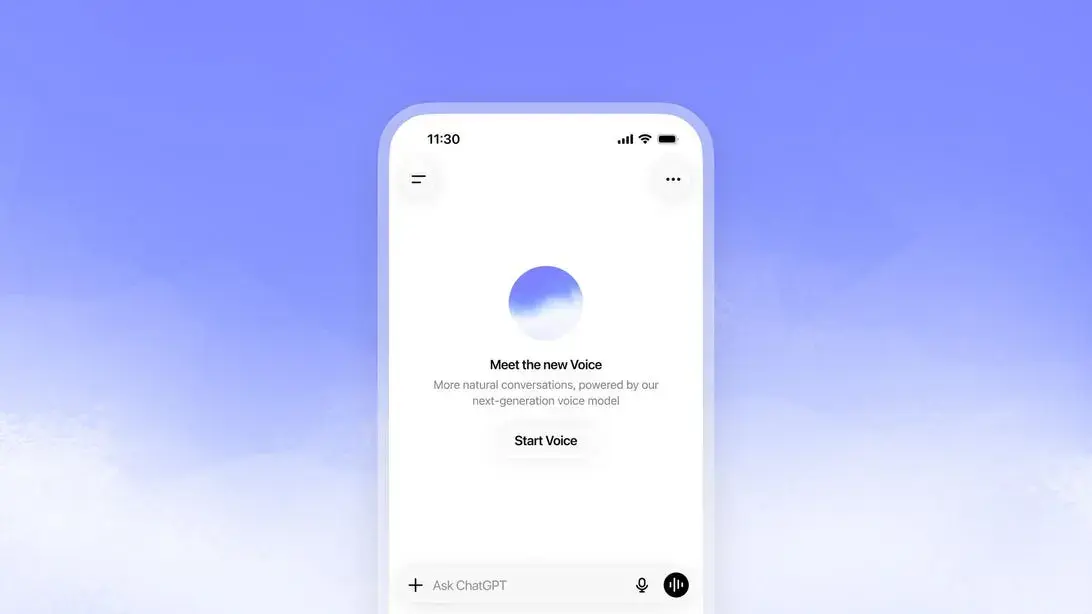
Seamless Two‑Way Conversation
OpenAI has unveiled two new voice‑enabled AI models, GPT‑Live‑1 and a smaller companion, for all ChatGPT users worldwide. The rollout begins today, adding real‑time listening and speaking capabilities to the platform’s existing text engine. Users can now choose from three intelligence tiers.
Latest news
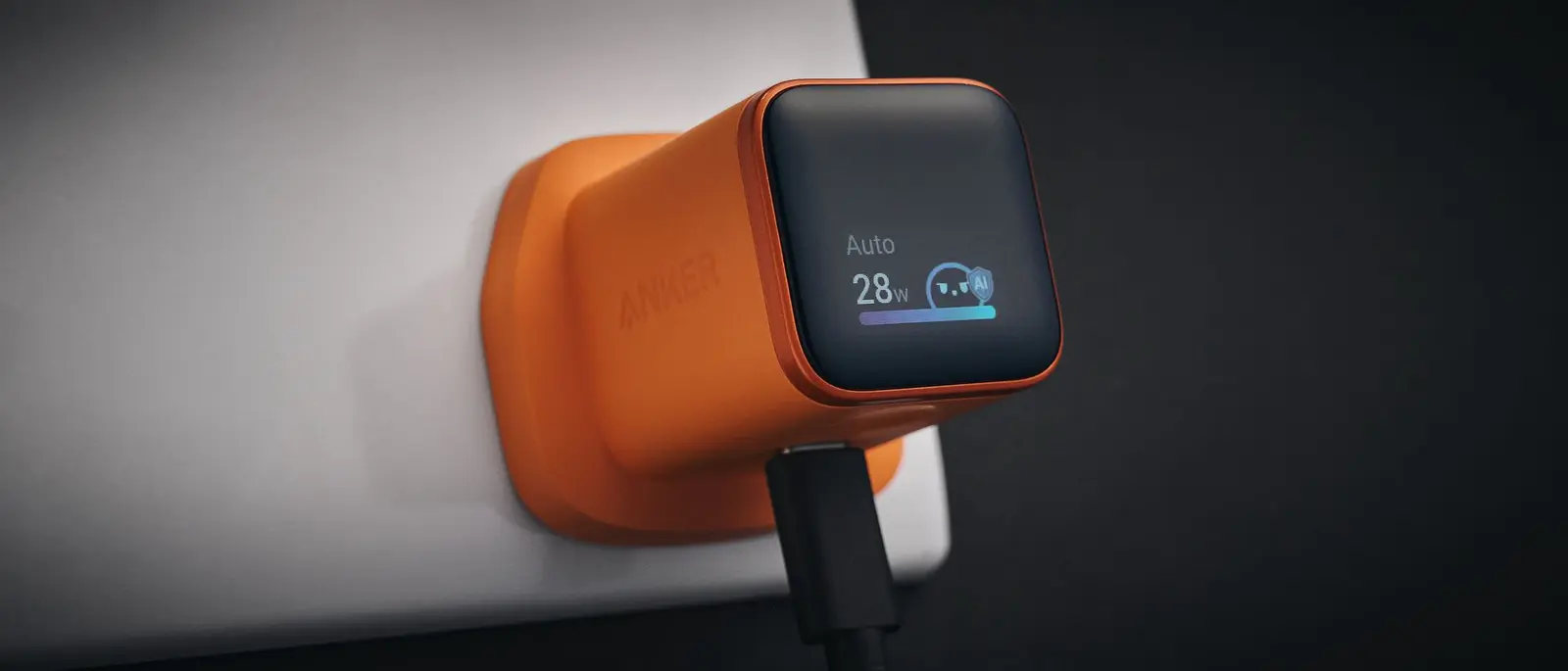 Anker Unveils Playful 45W Charger With Animated Face Display
 Google Docs Web Version Still Missing Native Dark Mode
 Anthropic-Linked Vulnerability Exploited From China, Targets US and Japan
 Text‑Based AI Agents: Your New Digital Assistants
The new models build on OpenAI’s latest frontier architecture, merging speech recognition with generative response in a single pass. By processing audio input and producing output without separate transcription steps, the system reduces latency and improves conversational flow. OpenAI says the technology is designed to handle live translation, allowing speakers of different languages to converse in near‑real time. The mini version targets lower‑power devices, extending voice features to smartphones and embedded systems.
Developers tested GPT‑Live‑1 in multilingual meetings and reported smoother exchanges than earlier tools. „The model captures nuance while speaking, so it feels like a true dialogue partner,” one tester noted. The three intelligence levels let users balance speed against depth, with the highest tier delivering detailed explanations and cultural context. Early adopters also praised the model’s ability to maintain context across back‑and‑forth turns, a common shortfall in prior voice assistants.
Can Real‑Time Translation Replace Human Interpreters?
OpenAI acknowledges that while the models excel at rapid language swapping, they are not yet substitutes for professional interpreters in high‑stakes settings. The company highlights ongoing research to reduce errors in idiomatic expressions and technical jargon. Nonetheless, the technology promises to democratize cross‑language communication for everyday users, educators, and travelers. As the models mature, OpenAI plans to expand language coverage and fine‑tune accuracy based on user feedback.
The launch marks a significant step toward truly conversational AI that can both hear and respond instantly. If adoption grows, we may see voice‑first interfaces becoming standard in productivity apps, customer service bots, and remote collaboration tools. OpenAI’s commitment to iterative improvement suggests that future updates will tighten integration with text‑based GPT models, creating a unified multimodal experience.
Frequently Asked Questions
What devices can run the mini voice model? The mini version runs on most modern smartphones and low‑power laptops, requiring only a modest internet connection and minimal on‑device processing.
How does the three‑tier system affect cost? Higher intelligence tiers consume more compute resources, so OpenAI may price them at a premium or limit usage for free accounts, while the base tier remains widely accessible.
Is user data protected during voice interactions? OpenAI states that audio inputs are encrypted in transit and processed under the same privacy policies that govern text queries, with options to opt out of data storage.
Comments
Leave a comment