The Rise of Incremental Upgrades
The latest Nvidia graphics cards are rewriting the rules of the gaming world. The company's RTX 50-series launch marks a significant shift in the industry, as gamers and enthusiasts no longer need to wait for the next generation to experience top-notch performance.
Latest news
 Anker Unveils Playful 45W Charger With Animated Face Display
 Google Docs Web Version Still Missing Native Dark Mode
 Anthropic-Linked Vulnerability Exploited From China, Targets US and Japan
 Text‑Based AI Agents: Your New Digital Assistants
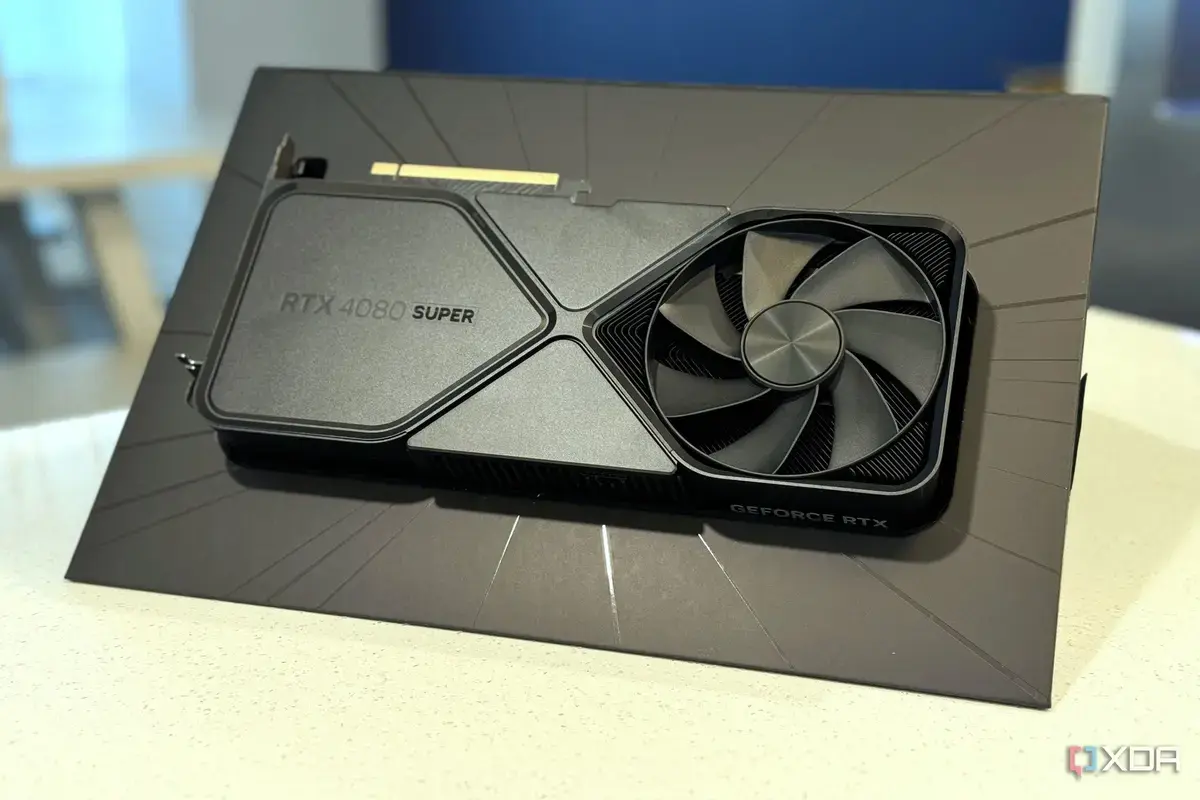
The new cards are already making waves, with the 4080 FE model impressing reviewers with its exceptional capabilities. This latest development has sparked a reevaluation of the traditional 'always wait for the next generation' rule. For years, gamers have been advised to hold off on upgrading their hardware until the next major release. However, the RTX 50-series launch suggests that this approach may no longer be necessary.
Can You Afford to Wait?
Nvidia's RTX 50-series is not a revolutionary new line, but rather an incremental upgrade to the existing RTX 30-series. This shift in strategy is a response to the ever-changing landscape of gaming technology. As hardware advances at an incredible pace, the gap between generations is narrowing. The result is that gamers can now experience significant performance boosts without having to wait for the next major release.
Frequently Asked Questions
The RTX 50-series is not just about raw power, but also about refined features and improved efficiency. The new cards offer enhanced ray tracing, improved AI capabilities, and better power management. These incremental upgrades are making a significant difference in the gaming experience, allowing players to enjoy smoother, more realistic gameplay.
The question on everyone's mind is: can you afford to wait for the next generation? With the RTX 50-series offering exceptional performance and features, the answer is increasingly no. The traditional 'always wait for the next generation' rule is no longer applicable, as the incremental upgrades are making a significant impact.
Comments
Leave a comment