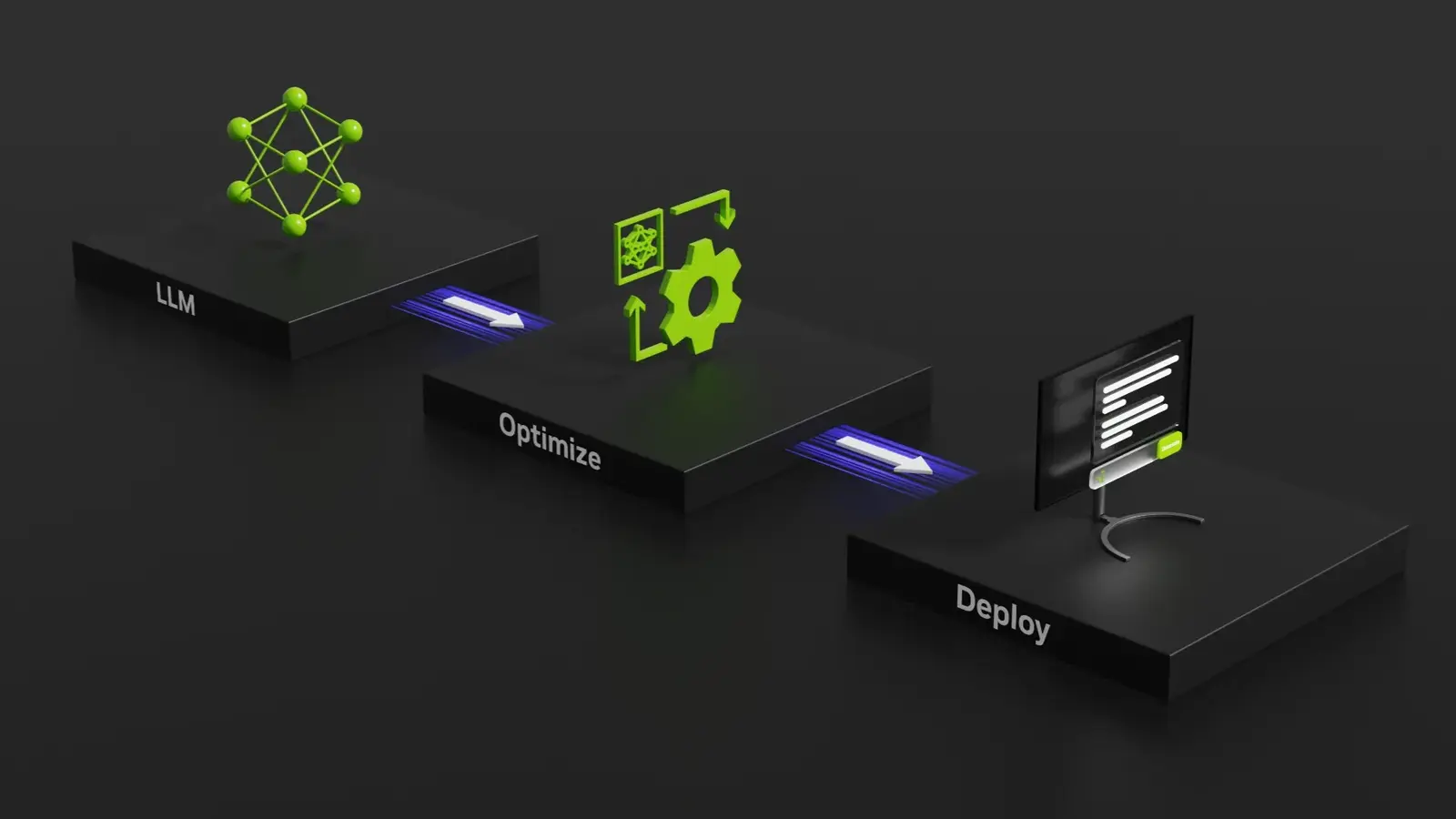
Engineering for Autonomous Coding Agents
NVIDIA has released TensorRT Model Connect, an open source project containing C++ reference implementations for AI models. The initiative builds directly on the NVIDIA TensorRT framework. It serves as a practical resource for developers seeking high-performance inference solutions. The project addresses a specific gap in the current AI development landscape. It provides tested code that runs efficiently on modern hardware. This release marks a significant step in standardizing AI deployment practices. Developers can now access these tools immediately. The codebase is fully available for public use and modification.
Latest news
 Why Meta's New AI Tool Fails to Win Over Daily Users
 Assessing Risks in Open-Source Artificial Intelligence
 Autonomous AI Agents Launch Cyberattacks Against North American Government Portals
 Warlock Group Targets SharePoint Servers in Critical Infrastructure
The project originated from a simple but critical question. Engineers asked if they could match the performance of native NVIDIA libraries. They wanted to do this while using a more flexible, open architecture. The answer involved rigorous engineering practices tailored for modern software development. The team focused on parallel workflows to speed up the build process. They also implemented strict isolation between different model families. This prevented conflicts and ensured stability across diverse AI applications. Each change in the system was designed to be reversible. This allowed developers to test new features without risking core functionality.
How Does Isolation Improve Development Speed?
A unique aspect of this project is its design for coding agents. The architecture supports automated software development workflows. This approach ensures that AI-assisted tools can interact with the codebase safely. The team prioritized GPU-backed validation for every update. This means every model implementation is tested on actual hardware. It guarantees that performance claims are accurate and reproducible. The code is written in C++ for maximum efficiency. This choice aligns with the demands of real-time AI inference. The structure allows for easy integration into existing pipelines. Developers do not need to rewrite their entire stack. They can adopt specific components as needed. The open source nature encourages community contributions. Users can suggest improvements and fix bugs directly. This collaborative model accelerates the evolution of the project. The focus remains on reliability and speed.
Model-family isolation is a key technical feature of the system. It ensures that changes to one model do not break others. This is crucial when managing a large collection of AI references. The team uses this method to maintain code quality. It reduces the complexity of debugging and testing. Reversible changes further enhance the development cycle. Developers can experiment with new optimizations freely. If a change fails, they can revert it instantly. This safety net encourages innovation and rapid iteration. The project demonstrates that open source AI tools can be robust. It challenges the notion that proprietary systems are required for high performance. By sharing these implementations, NVIDIA lowers the barrier to entry. Smaller teams can now access enterprise-grade AI infrastructure. The project sets a new standard for AI engineering practices. It highlights the importance of clean, modular code design.
The release of TensorRT Model Connect has immediate implications for the AI industry. It provides a reliable foundation for building inference applications. Companies can reduce their time to market significantly. The focus on coding agent compatibility prepares the industry for future automation. As AI models grow in complexity, such tools become essential. The project will likely evolve with new model architectures. Community input will shape its future roadmap. Developers are encouraged to explore the codebase today. They can contribute to its growth and stability. This initiative reinforces the value of open collaboration in technology. It bridges the gap between research and practical deployment. The result is a more accessible and efficient AI ecosystem.
Frequently Asked Questions
What is the primary programming language used in TensorRT Model Connect? The project uses C++ for all reference implementations. This choice ensures high performance and low latency. It aligns with the requirements of the underlying TensorRT framework.
How does the project support automated coding agents? The architecture is designed with parallel work and reversible changes. These features allow coding agents to make safe, isolated modifications. GPU-backed validation ensures that automated changes remain functional.
Comments
Leave a comment