Why Huang Believes AI Fear Is Misplaced
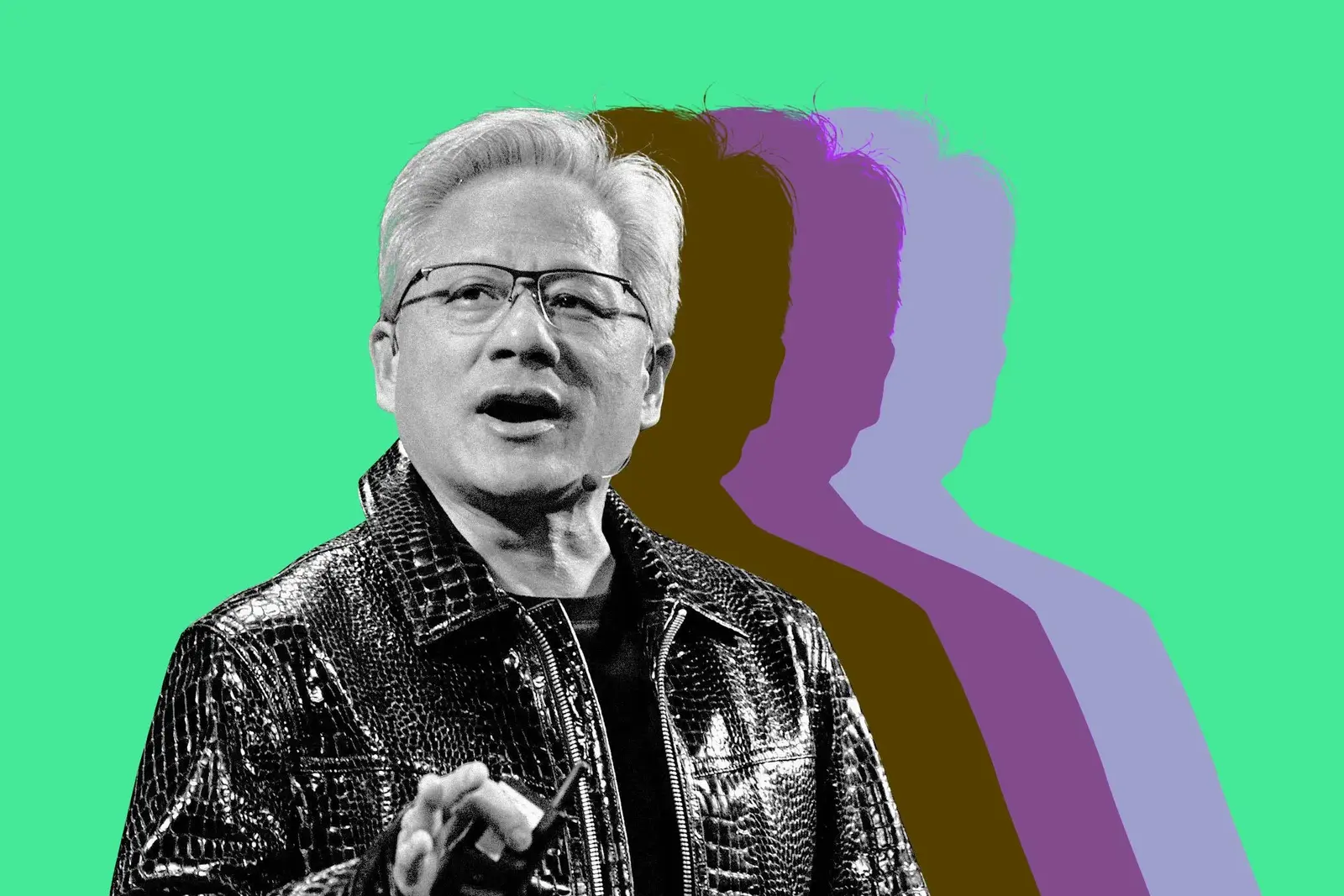
Jensen Huang, CEO of Nvidia, expressed confidence that fears surrounding artificial intelligence are overstated during a recent technology conference. Speaking to industry leaders and analysts, Huang argued that the transformative potential of AI outweighs current anxieties about job displacement, ethics, and misuse. His remarks come as Nvidia continues to dominate the AI hardware market, with its graphics processing units powering much of the global AI infrastructure.
Latest news
 Anker Unveils Playful 45W Charger With Animated Face Display
 Google Docs Web Version Still Missing Native Dark Mode
 Anthropic-Linked Vulnerability Exploited From China, Targets US and Japan
 Text‑Based AI Agents: Your New Digital Assistants
Huang emphasized that historical technological shifts, from the industrial revolution to the rise of the internet, initially sparked similar fears but ultimately drove widespread economic growth and innovation. He pointed to AI’s role in accelerating scientific discovery, improving healthcare diagnostics, and optimizing complex systems as evidence of its net positive impact. While acknowledging the need for responsible development, he cautioned against letting fear slow progress.
How Is Nvidia Shaping the AI Landscape?
Huang drew parallels between today’s AI discourse and past skepticism toward transformative technologies, noting that early critics of electricity and automobiles also warned of societal disruption. He stressed that Nvidia’s investments in AI are guided by long-term societal benefit, not short-term profit alone. The CEO highlighted partnerships with research institutions and healthcare providers as examples of AI being used to solve real-world problems, from climate modeling to drug discovery. He also noted that AI tools are increasingly accessible to small businesses and educators, broadening their impact beyond tech giants.
Nvidia’s GPUs have become foundational to training large AI models, giving the company outsized influence over the pace and direction of AI development. Huang explained that the company focuses on building energy-efficient, scalable hardware to support sustainable AI growth. He addressed concerns about AI concentration of power by advocating for open platforms and diverse developer ecosystems. When asked about regulation, Huang supported thoughtful oversight but warned that overly restrictive policies could hinder innovation, especially in countries competing for technological leadership.
Is Jensen Huang concerned about AI replacing jobs? Huang acknowledged that AI will change certain job functions but believes it will create more opportunities than it eliminates, particularly in fields requiring creativity and complex problem-solving.
Frequently Asked Questions
Does Nvidia have ethical guidelines for AI development? Yes, Nvidia follows internal AI principles focused on fairness, transparency, and accountability, and collaborates with external experts to guide responsible use.
Should governments regulate AI more strictly? Huang supports balanced regulation that addresses risks without stifling innovation, arguing that global cooperation is key to effective governance.
Comments
Leave a comment