Independent Verification of Majorana 2 Architecture
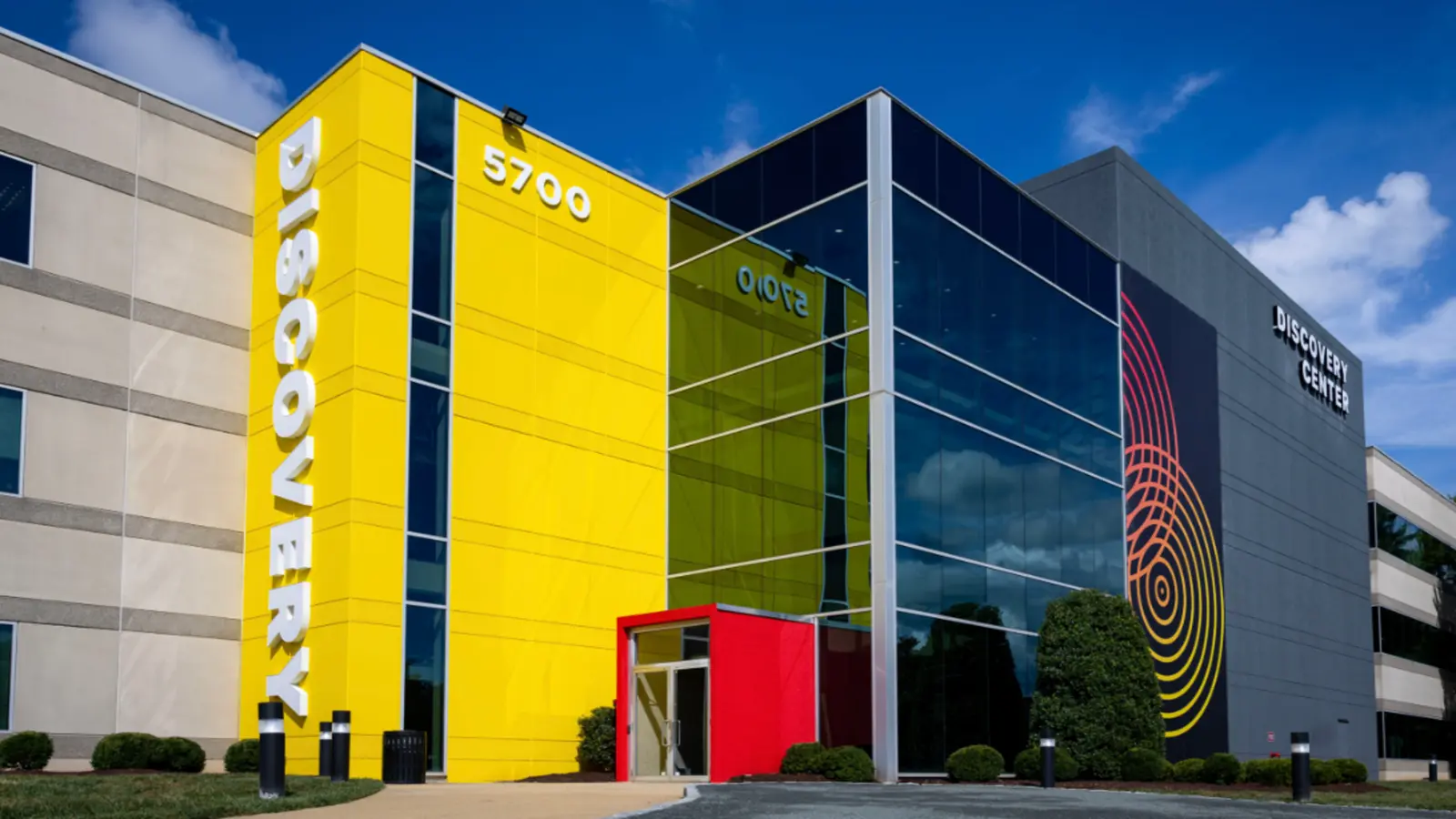
Microsoft has launched a new quantum research facility in Maryland. The center grants the Defense Advanced Research Projects Agency direct on-site access to its hardware. This move allows independent verification of Microsoft’s latest quantum chip. The agency can now test the Majorana 2 device without relying solely on corporate claims. This initiative marks a significant shift in how private tech firms validate their breakthroughs. It signals a strong push toward practical, government-ready quantum capabilities.
Latest news
 Why Meta's New AI Tool Fails to Win Over Daily Users
 Assessing Risks in Open-Source Artificial Intelligence
 Autonomous AI Agents Launch Cyberattacks Against North American Government Portals
 Warlock Group Targets SharePoint Servers in Critical Infrastructure
The collaboration addresses long-standing skepticism regarding private sector quantum progress. Critics often question whether lab results translate to real-world performance. By inviting DARPA onto the premises, Microsoft invites external scrutiny. Researchers can observe operations firsthand and run their own diagnostic protocols. This transparency aims to build trust among federal stakeholders and academic partners. It demonstrates that the company is confident in its engineering choices.
The Majorana 2 chip represents a major step in topological qubit development. Microsoft designed this hardware to reduce error rates significantly. Traditional superconducting qubits suffer from high noise levels. Topological approaches promise greater stability and scalability. DARPA scientists will examine the physical layout and control systems. They will assess how the chip maintains coherence under stress. This hands-on review helps confirm theoretical predictions against empirical data. The process ensures that the technology meets rigorous defense standards.
Why Federal Agencies Need Physical Access to Quantum Hardware
Government contracts often require proof of performance before large-scale deployment. Virtual demonstrations or published papers may not suffice for critical applications. On-site access eliminates information asymmetry between vendor and client. It allows engineers to probe specific failure modes directly. This approach reduces the risk of adopting flawed technology. It also accelerates the feedback loop for future design iterations. DARPA can identify weaknesses that internal teams might overlook. Such insights are crucial for securing national security advantages.
Microsoft’s decision reflects a broader trend in quantum computing. Other firms are beginning to open their facilities to third-party auditors. This movement suggests the industry is maturing beyond early hype. Investors and governments alike demand tangible evidence of progress. The Maryland center serves as a pilot for this new model of validation. It sets a precedent for future collaborations between tech giants and state agencies.
The outcome of these tests could define the next phase of quantum adoption. If Majorana 2 performs as expected, it may secure further federal funding. Success could lead to expanded partnerships across multiple defense programs. Conversely, any identified flaws would prompt immediate engineering adjustments. The stakes are high for both parties involved. A verified breakthrough would accelerate the timeline for useful quantum machines. This milestone positions Microsoft as a key player in the emerging quantum economy.
Frequently Asked Questions
Who is granted access to the new Maryland facility? DARPA researchers receive direct on-site access. They can interact with the Majorana 2 hardware independently. This arrangement facilitates unbiased technical evaluation.
Why does Microsoft allow external testing of its chip? The company seeks to validate its topological qubit design. Independent verification builds confidence among federal clients. It helps confirm that performance metrics match internal projections.
What is the primary goal of this collaboration? The main objective is to verify the reliability of Majorana 2. It aims to bridge the gap between lab theory and practical application. This ensures the hardware meets strict defense requirements.
Comments
Leave a comment