What is bLLC and Why Does It Matter?
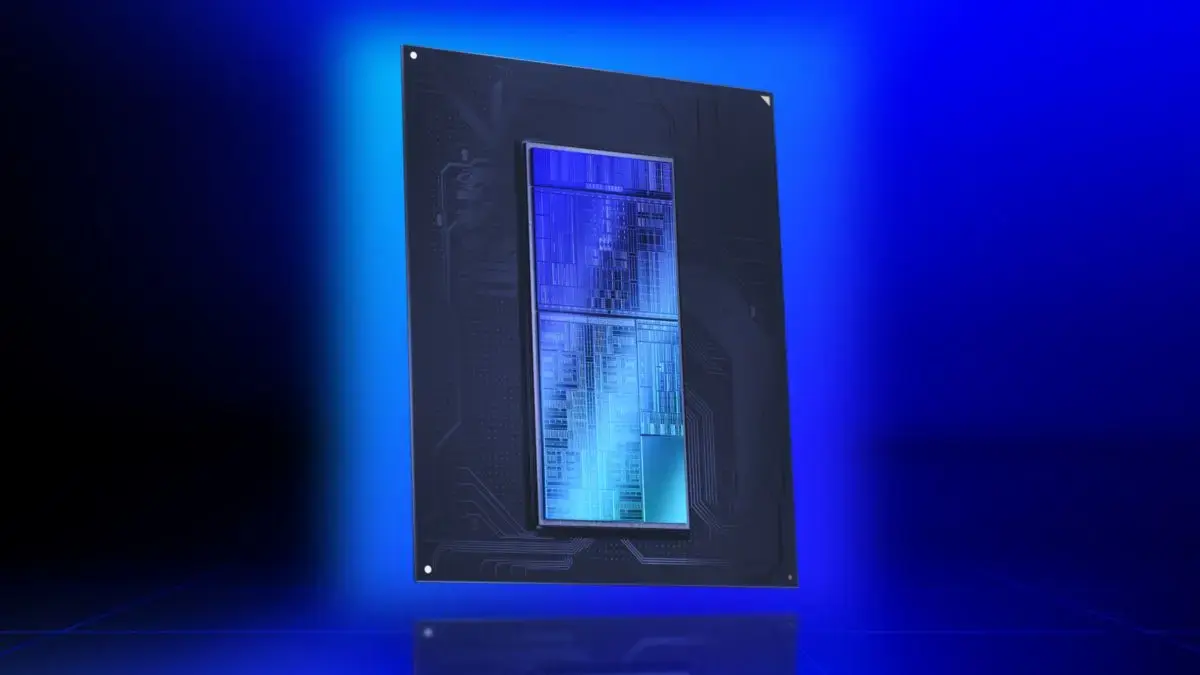
Intel's upcoming Nova Lake processors might not feature the game-enhancing X3D cache for mobile versions. Instead, they are expected to launch alongside the Razor Lake-HX series. This information comes from a recent leak, stirring interest in the tech community.
Latest news
 Anker Unveils Playful 45W Charger With Animated Face Display
 Google Docs Web Version Still Missing Native Dark Mode
 Anthropic-Linked Vulnerability Exploited From China, Targets US and Japan
 Text‑Based AI Agents: Your New Digital Assistants
The Nova Lake desktop CPUs are rumored to be the only models to include Intel's bLLC technology, designed as a competitor to AMD's X3D cache. This suggests that mobile variants may not benefit from this performance boost. The Razor Lake family, which is said to utilize TSMC's advanced N2X manufacturing process, could offer different specifications and features.
bLLC, or „Battery Low Latency Cache,”aims to improve gaming performance by reducing latency and increasing data access speeds. Intel's focus on desktop CPUs for this technology indicates a strategic choice, possibly prioritizing high-performance systems for gamers and professionals. The decision to exclude mobile SKUs raises questions about Intel's approach to the increasingly competitive mobile market, where performance enhancements are crucial.
Will Intel's Strategy Work?
Recent leaks suggest that the Razor Lake-HX series may not only feature different architecture but could also shift focus away from bLLC. This could mean that mobile gamers and professionals may not see the same level of performance enhancements that desktop users will enjoy. The implications of this could affect Intel's market position, especially as AMD continues to innovate in this space.
Intel's decision to reserve bLLC for desktop CPUs could be a double-edged sword. On one hand, it allows them to target a specific segment of high-performance users. On the other hand, it risks alienating mobile gamers who seek similar enhancements. As competition intensifies, Intel must balance innovation with market demands.
In the long run, this strategy may impact Intel's ability to capture mobile gaming enthusiasts. If competitors like AMD continue to offer superior gaming experiences across all platforms, Intel may find itself at a disadvantage.
Frequently Asked Questions
What is the significance of bLLC technology? bLLC technology is designed to enhance gaming performance by lowering latency and speeding up data access. This can significantly improve the gaming experience on desktop systems.
How will Razor Lake-HX differ from Nova Lake? The Razor Lake-HX series is expected to utilize TSMC's N2X node, indicating a different manufacturing process. This may lead to variations in performance and features compared to the Nova Lake processors.
What are the potential consequences for Intel's market position? By focusing bLLC on desktop CPUs, Intel risks losing ground in the mobile gaming market. If competitors continue to innovate, Intel may struggle to maintain its market share among mobile users.
Comments
Leave a comment