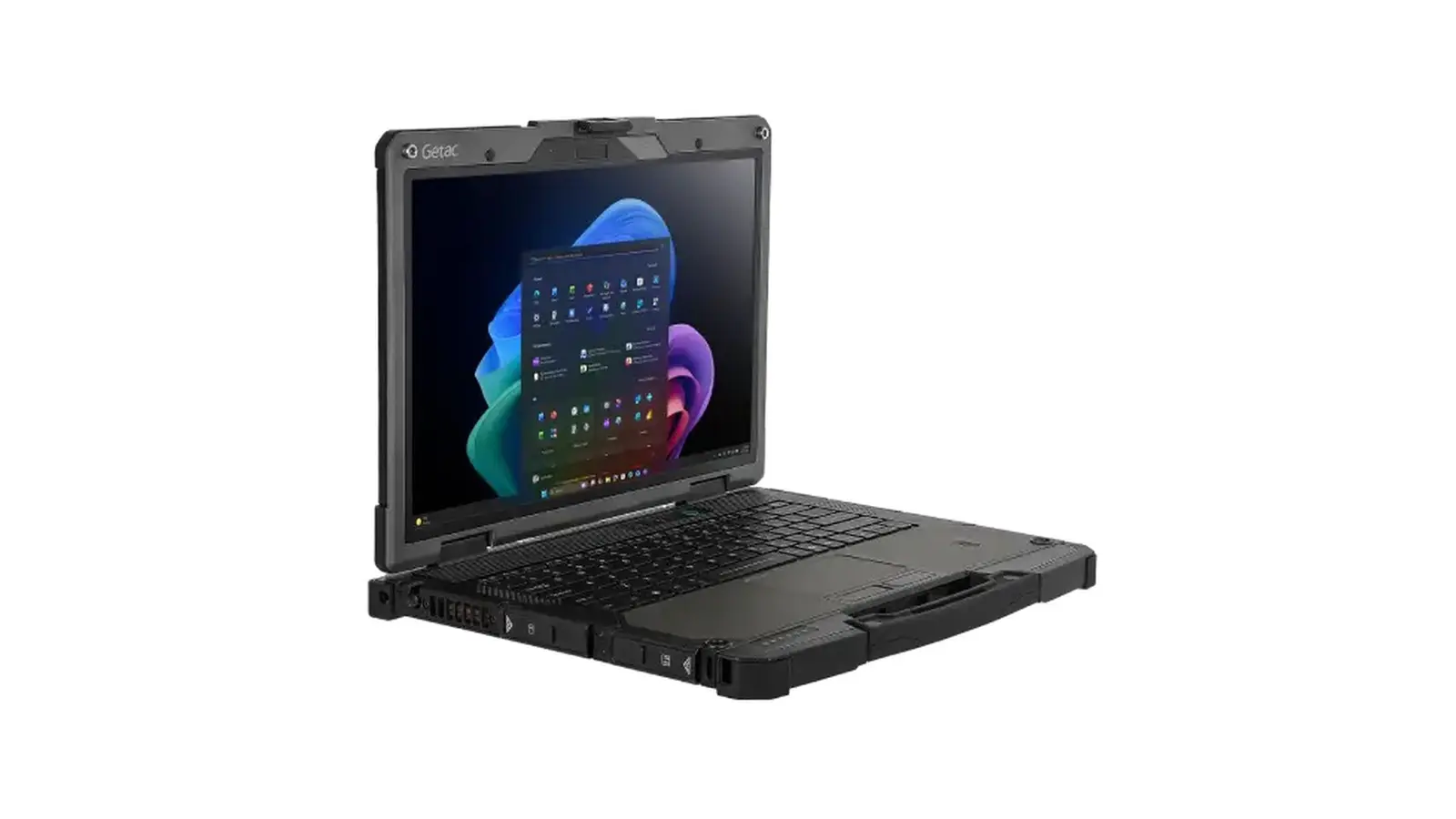
AI Power Boost: From 98 TOPS to 180 TOPS
Getac introduced two upgraded models, the B360X and B360X Pro, at its latest product launch. Both devices feature Intel’s Panther Lake processors, 14‑inch 1,400‑nit displays and the new Wi‑Fi 7 standard. The B360X, equipped with a Core Ultra X7 chip, claims up to 180 TOPS of AI performance, while the Pro version, aimed at defense customers, delivers roughly 98 TOPS, matching last year’s figures.
Latest news
 Smart TVs frequently lose their Wi-Fi connection, leaving viewers staring at a spinning loading icon
 Why Ignoring Car Software Updates Is Risky
 Apple's foldable iPhone Duo introduces dual-display multitasking capabilities
 FCC Weighs Reciprocal Limits on Foreign Satellite Firms
The upgrades target users who need durable hardware that can handle demanding AI workloads in harsh environments. By integrating the latest Intel silicon and Nvidia’s Blackwell AI accelerator, Getac hopes to give field operators, especially in the military, faster inference speeds for tasks such as image analysis and autonomous navigation. The high‑brightness screen ensures readability in bright sunlight, and the Wi‑Fi 7 module promises lower latency and higher throughput for real‑time data exchange. The Pro model retains the same AI capability as its predecessor, suggesting Getac is focusing on reliability for defense contracts rather than pushing the absolute performance ceiling.
The headline figure of 180 TOPS applies exclusively to the B360X with the Core Ultra X7 processor. This chip combines Intel’s integrated AI engine with an Nvidia Blackwell accelerator, delivering a near‑doubling of AI throughput compared with the previous generation. Getac’s engineering team says the increase will cut inference times for common military AI tasks by up to 40 percent, allowing quicker decision‑making on the ground. The Pro variant, however, does not receive the Core Ultra X7; it stays with the earlier AI configuration, keeping its rating at about 98 TOPS. This decision reflects the company’s emphasis on proven, stable performance for defense customers who prioritize certification and long‑term support over raw speed.
Will the New B360 Line Redefine Field Computing for the Military?
The question on many analysts’ minds is whether the performance jump will translate into operational advantage. Early field tests suggest the B360X can process high‑resolution drone footage in real time, a task that previously required a larger, less rugged workstation. If these results hold, units could deploy smaller, more mobile teams without sacrificing AI capability. The Pro’s unchanged AI rating may limit its appeal for cutting‑edge AI missions, but its ruggedization and existing certification could keep it attractive for legacy systems that need reliable, battle‑tested hardware.
Overall, Getac’s latest rugged laptops signal a shift toward integrating high‑performance AI into portable, hardened devices. The combination of Panther Lake CPUs, Nvidia Blackwell AI, and Wi‑Fi 7 positions the B360 series as a strong contender for both commercial and defense markets. As AI workloads continue to expand in field operations, the demand for such capable yet durable machines is likely to rise, prompting competitors to accelerate their own rugged AI offerings.
Frequently Asked Questions
What distinguishes the B360X from the B360X Pro? The B360X uses Intel’s Core Ultra X7 processor with an Nvidia Blackwell accelerator, delivering up to 180 TOPS of AI performance. The Pro model retains the previous AI architecture, offering about 98 TOPS, and focuses on defense‑grade certification.
How does Wi‑Fi 7 improve field operations? Wi‑Fi 7 provides higher data rates and lower latency, enabling faster transmission of large AI‑generated datasets, such as video streams, which is critical for real‑time analysis in remote or contested environments.
Are the new laptops ready for immediate deployment in military units? The B360X is slated for rapid fielding, with initial units already undergoing trials. The Pro version, already certified for defense use, can be integrated into existing programs without extensive re‑qualification.
Comments
Leave a comment