The Anatomy of a High-Tech Deception
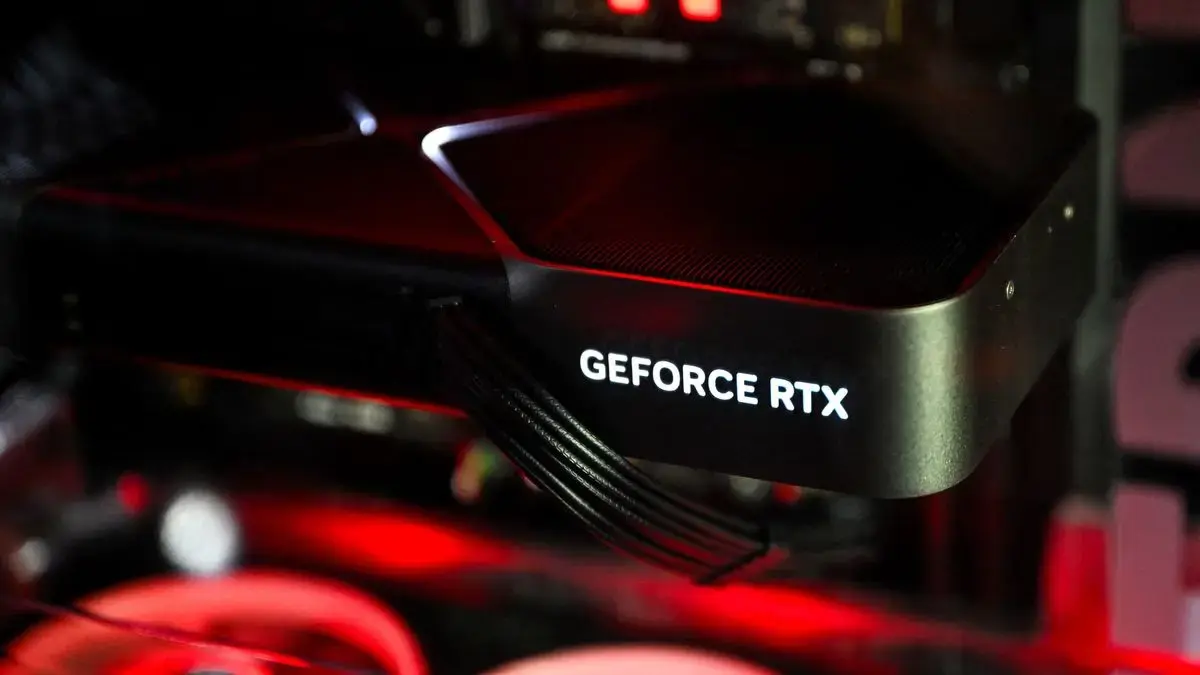
A fraudulent seller in Germany recently swindled two unsuspecting buyers out of $5,000 by selling them empty Nvidia RTX 5090 graphics cards. The victims discovered that the expensive hardware lacked both the essential GPU core and the necessary VRAM chips. The scam highlights a growing trend of high-end component fraud.
Latest news
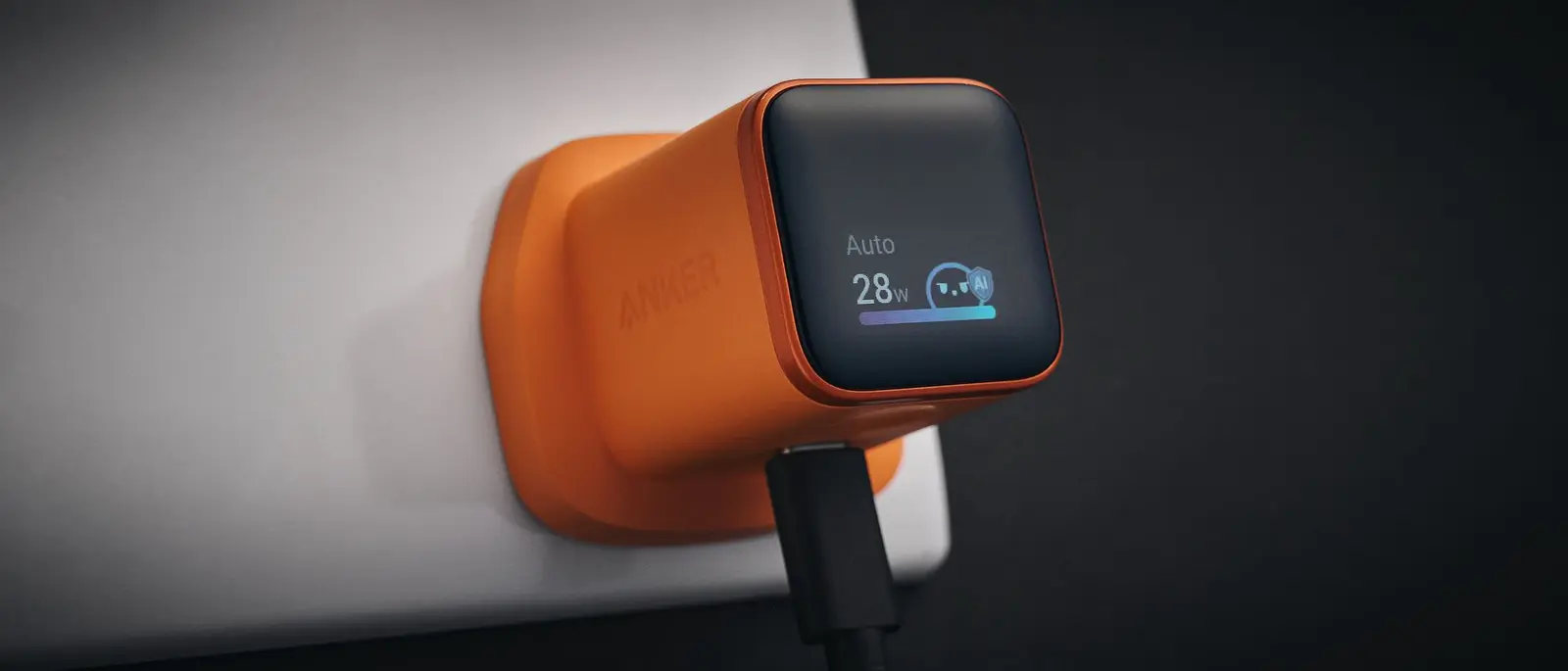 Anker Unveils Playful 45W Charger With Animated Face Display
 Google Docs Web Version Still Missing Native Dark Mode
 Anthropic-Linked Vulnerability Exploited From China, Targets US and Japan
 Text‑Based AI Agents: Your New Digital Assistants
The perpetrator successfully marketed the hollow units as premium, high-performance hardware. Despite the hefty price tag, the cards were essentially gutted shells that provided no functional value. The buyers realized they had been deceived only after inspecting the internal components of the devices following the transaction.
These fraudulent cards are meticulously prepared to look legitimate from the outside. Scammers often use original cooling shrouds and backplates to mimic authentic retail packaging. By retaining the external appearance of a genuine RTX 5090, the criminals can easily bypass initial visual inspections by buyers.
How Can Buyers Spot These Hollow Hardware Traps?
However, the internal circuit boards are completely stripped of their most valuable parts. Without the graphics processing unit and memory modules, the hardware is nothing more than a heavy paperweight. This sophisticated approach makes it difficult for casual consumers to identify the scam until it is too late.
Protecting yourself requires extreme caution when dealing with high-end PC hardware on secondary markets. Always verify the seller's reputation and insist on testing the hardware before finalizing any large payment. If a deal seems too good to be true, it almost certainly involves a compromised or fake product.
Frequently Asked Questions
The rise of these scams reflects the intense demand for the latest flagship graphics cards. As manufacturers struggle to meet market needs, opportunistic criminals exploit the desperation of enthusiasts. Buyers should prioritize purchasing from authorized retailers to ensure their investment is protected by legitimate warranties and quality control standards.
What should I do if I suspect a graphics card is fake? Immediately stop using the device and contact your payment provider to initiate a fraud claim. Document all communications with the seller and take clear photographs of the internal components to serve as evidence.
Are these scams limited to just the RTX 5090 model? No, this trend of selling gutted hardware extends across various high-end GPU series. Criminals target any popular, expensive component where the exterior can be easily repurposed to hide the missing internal chips.
Comments
Leave a comment