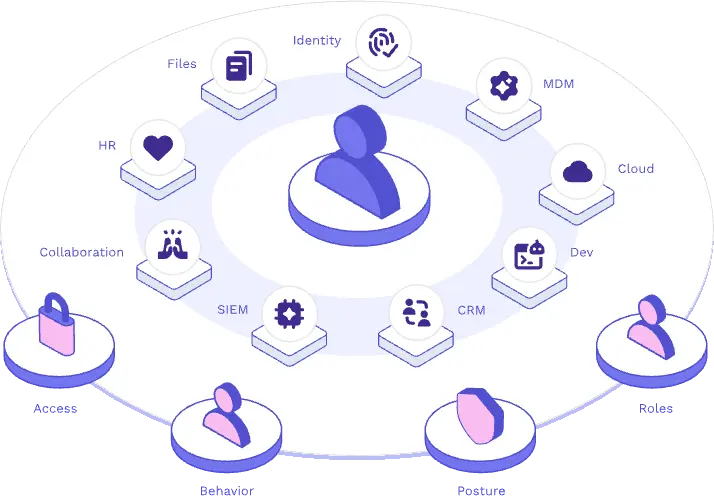
Mapping the Invisible Digital Footprint
Enterprise security firm Cymphony Inc. officially launched on September 9, 2026. The company raised thirty million dollars in initial funding. Its primary product tracks digital access within corporate networks. The software monitors both human employees and autonomous artificial intelligence agents. This launch addresses a critical gap in modern enterprise defense strategies. Cymphony aims to provide visibility into complex internal systems. The startup focuses on preventing unauthorized data exposure. It targets organizations increasingly reliant on automated workflows. The timing reflects growing concerns about AI security risks. Investors backed the venture based on this urgent market need.
Latest news
 Anker Unveils Playful 45W Charger With Animated Face Display
 Google Docs Web Version Still Missing Native Dark Mode
 Anthropic-Linked Vulnerability Exploited From China, Targets US and Japan
 Text‑Based AI Agents: Your New Digital Assistants
The core technology maps the reach of every digital actor. It identifies which data points and systems each agent can access. This capability helps security teams understand potential attack surfaces. Traditional tools often fail to track dynamic AI behaviors. Cymphony’s solution offers real-time monitoring of these evolving permissions. The platform distinguishes between standard user actions and automated processes. This distinction is vital for accurate threat detection. Companies can now see exactly where AI agents operate. The system flags anomalies that might indicate compromise. It provides a comprehensive view of internal digital activity.
Addressing the New Threat Landscape
Modern enterprises deploy numerous AI agents for daily operations. These tools handle tasks from data entry to customer service. However, their broad access rights create significant security blind spots. Cymphony’s software fills this void by cataloging every interaction. It records which files, databases, and applications agents touch. This data creates a detailed map of internal movement. Security analysts use this map to spot irregular patterns. For instance, an agent accessing finance data at odd hours raises alerts. The system correlates these events to assess risk levels. It helps organizations enforce the principle of least privilege. Agents receive only the access they strictly need. This approach minimizes the potential damage from breaches.
The rapid adoption of AI has outpaced security controls. Many companies struggle to manage permissions for non-human users. Cymphony positions itself as a specialized solution for this challenge. The startup’s founders recognized the specific dangers of unmonitored agents. They developed software tailored to these unique operational profiles. The funding will support product development and market expansion. The company plans to hire additional engineering and sales staff. Early adopters include large technology and financial firms. These organizations face the highest stakes from data leaks. Cymphony’s launch signals a shift in security priorities. It highlights the need for AI-specific monitoring tools. The industry is moving beyond traditional perimeter defenses. Internal visibility is becoming the new standard for safety.
Frequently Asked Questions
How does Cymphony track AI agents? The software monitors digital interactions within company systems. It records which data and applications each agent accesses. This creates a continuous log of automated activity.
Who is the target customer for this startup? The primary clients are large enterprises using AI automation. These organizations need detailed visibility into internal network traffic. They seek to prevent data breaches caused by agent errors or attacks.
Comments
Leave a comment