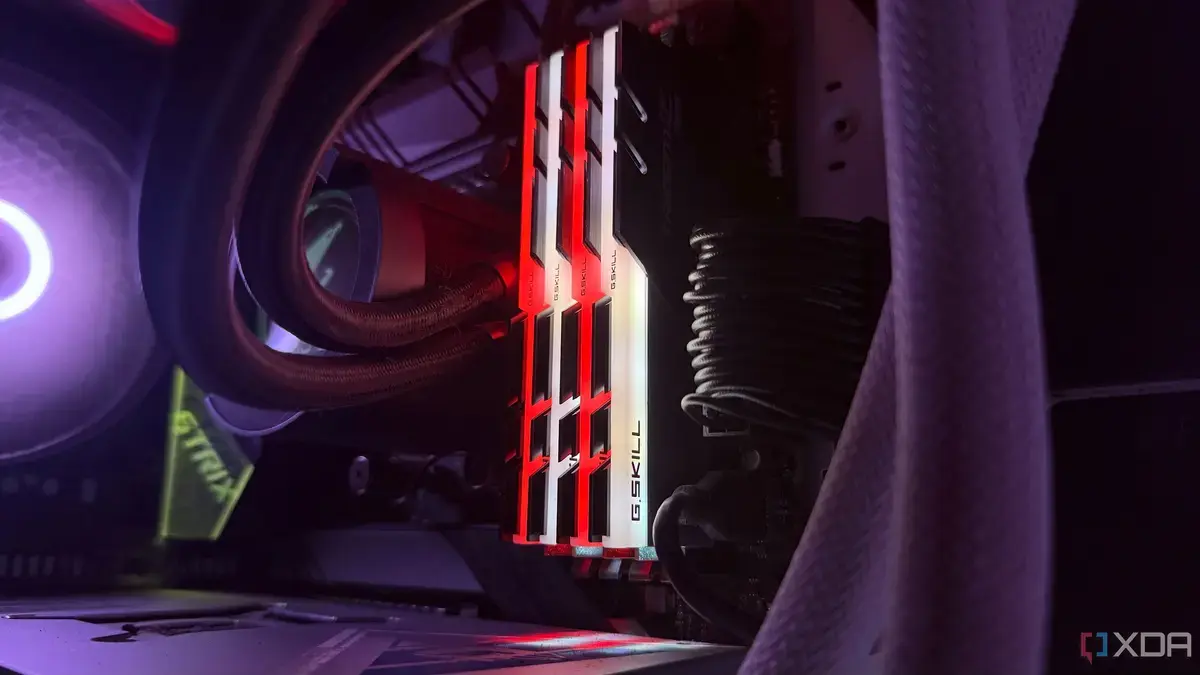
Hidden Performance Loss: Firmware Changes Can Slip
A longtime PC enthusiast discovered that a silent BIOS firmware update in early 2024 had reduced his system’s RAM performance by nearly 15 percent. The issue went unnoticed for two years, partly because his X3D‑series CPU masked the slowdown with aggressive boost algorithms. The revelation came after a routine benchmark comparison in August 2026.
Latest news
 Anker Unveils Playful 45W Charger With Animated Face Display
 Google Docs Web Version Still Missing Native Dark Mode
 Anthropic-Linked Vulnerability Exploited From China, Targets US and Japan
 Text‑Based AI Agents: Your New Digital Assistants
The user, who prefers to remain anonymous, first noticed the anomaly when a new gaming title ran noticeably slower than expected. He traced the problem to a BIOS revision released by his motherboard manufacturer in March 2024. The update altered memory timing defaults, tightening latency settings that conflicted with his high‑performance DDR5 modules. Because the X3D CPU dynamically adjusted clock speeds, the overall system still felt responsive, hiding the underlying memory bottleneck. Only a side‑by‑side test against a pre‑update baseline exposed the hidden regression.
Modern firmware updates often promise stability and security, yet they can unintentionally degrade hardware performance. In this case, the BIOS revision changed the DRAM voltage curve and relaxed secondary timing parameters. The manufacturer’s release notes mentioned „enhanced compatibility,” but omitted any reference to memory throughput. The user’s subsequent stress tests showed a consistent 12‑15 percent drop in bandwidth across multiple benchmarks. After reverting to the previous BIOS version, his RAM returned to its original speed, confirming the firmware as the root cause.
Could Advanced CPUs Mask Memory Degradation?
The X3D‑series processors feature a large L3 cache and aggressive boost logic, which can compensate for slower RAM by keeping more data on‑chip. This capability made the performance dip less obvious during everyday tasks. However, when the system faced memory‑intensive workloads, the hidden slowdown manifested as longer load times and lower frame rates. Experts warn that reliance on CPU boost may conceal similar issues in other components, urging users to perform periodic hardware checks after firmware changes.
The incident highlights the importance of transparent firmware documentation and regular performance verification. As manufacturers continue to push automatic updates, users may need to adopt a more proactive stance, testing key metrics before and after each change. Industry analysts predict that future BIOS designs will include built‑in performance validation tools, reducing the risk of silent regressions.
Frequently Asked Questions
What caused the RAM slowdown after the BIOS update? The update altered DRAM timing and voltage settings, creating less optimal memory parameters that reduced bandwidth by roughly 15 percent.
Why didn’t the performance drop become obvious sooner? The X3D CPU’s large cache and dynamic boost compensated for slower RAM, keeping overall system responsiveness high enough to mask the issue.
How can users prevent similar problems? Run baseline benchmarks before applying firmware updates, review change logs for memory‑related tweaks, and revert to previous versions if performance drops are detected.
Comments
Leave a comment