AI‑Assisted Debugging Revives Decades‑Old Silicon
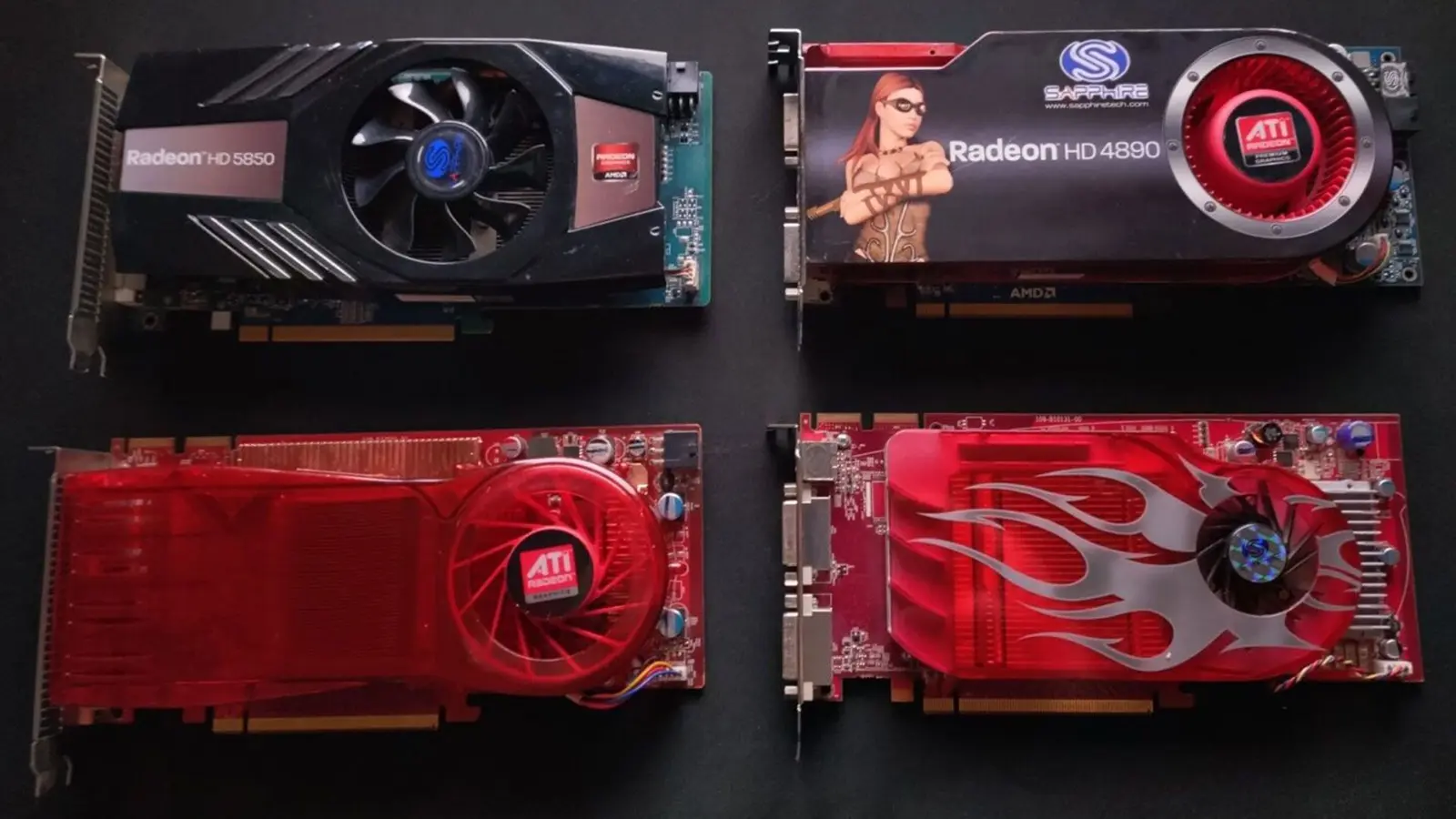
A kernel patch accepted for the upcoming Linux 7.5 kernel finally cures a video‑playback glitch that has plagued AMD’s R600‑based Radeon HD 2000 and 3000 series since their debut in 2007. The correction, discovered by a volunteer developer who leveraged artificial‑intelligence tools to reverse‑engineer the driver, will be distributed in the next stable Linux release, restoring proper Unified Video Decoder (UVD) operation on the RV610, RV620, RV630 and RV635 chips.
Latest news
 Smart TVs frequently lose their Wi-Fi connection, leaving viewers staring at a spinning loading icon
 Why Ignoring Car Software Updates Is Risky
 Apple's foldable iPhone Duo introduces dual-display multitasking capabilities
 FCC Weighs Reciprocal Limits on Foreign Satellite Firms
The bug originated in the UVD hardware block, which mishandles certain H.264 streams, causing corruption or freeze during playback on Linux. The issue persisted because the open‑source radeon driver lacked proper handling of the legacy hardware’s command queue. The contributor, known only by his online handle, fed kernel source snippets into a large language model, which suggested a sequence of register writes that resolved the timing conflict. After manual verification and testing on multiple distributions, the patch was merged into the mainline kernel, marking a rare victory for very old graphics hardware.
The developer described the process as „a blend of classic reverse engineering and modern AI assistance.” By prompting the model with the driver’s existing code and the hardware’s specification sheet, it generated a candidate fix that reduced the UVD’s buffer overflow risk. The patch rewrites the initialization routine for the decoder, aligning the hardware’s clock with the software’s expectations. Benchmarks on a 2008‑era laptop equipped with a Radeon HD 2600 show smooth 1080p playback of modern video codecs, a task previously impossible without proprietary Windows drivers.
Will Legacy GPUs Remain Viable on Future Linux Kernels?
Industry observers note that this success illustrates how community‑driven development can extend the usable life of obsolete hardware. While most users have migrated to newer GPUs, a niche of retro‑gaming enthusiasts and low‑cost Linux deployments still rely on these cards. The fix also reduces the maintenance burden on distro maintainers, who previously had to apply custom patches to keep older machines functional.
The patch’s inclusion raises questions about the long‑term strategy for supporting legacy graphics. Kernel maintainers have historically phased out code for hardware that no longer receives vendor updates. However, the community’s ability to produce a reliable fix suggests that similar efforts could be applied to other abandoned architectures. Some developers argue that maintaining a baseline level of support for older GPUs aligns with Linux’s ethos of inclusivity, especially for users in developing regions where affordable hardware remains essential.
As Linux 7.5 rolls out, users of Radeon HD 2000/3000 cards can expect immediate improvement without manual intervention. The broader implication is a renewed confidence that even near‑obsolete components can receive critical updates when the community invests creativity and modern tooling.
Frequently Asked Questions
What exact hardware does the new patch affect? The fix targets the R600 family’s UVD engine, specifically the RV610, RV620, RV630 and RV635 chips found in Radeon HD 2000 and 3000 series cards.
Do I need to rebuild my kernel to get the fix? No. The patch is part of the mainline kernel and will be included in the standard Linux 7.5 packages distributed by most major distributions.
Will this improve performance for all video formats? The patch resolves corruption in H.264 streams and stabilizes playback for most common codecs. It does not add hardware acceleration for newer formats like AV1, which remain unsupported on this architecture.
Comments
Leave a comment