
Calibrating Physics for High-Voltage Reliability
Researchers have unveiled a comprehensive modeling workflow designed to predict the performance of normally-off p-GaN high-electron-mobility transistors. This engineering advance focuses on 100 V devices, tackling critical metrics such as leakage currents, dynamic resistance, and breakdown limits to accelerate future power electronics development.
Latest news
 Why the Rumored iPhone Duo Excites Android Foldable Fans
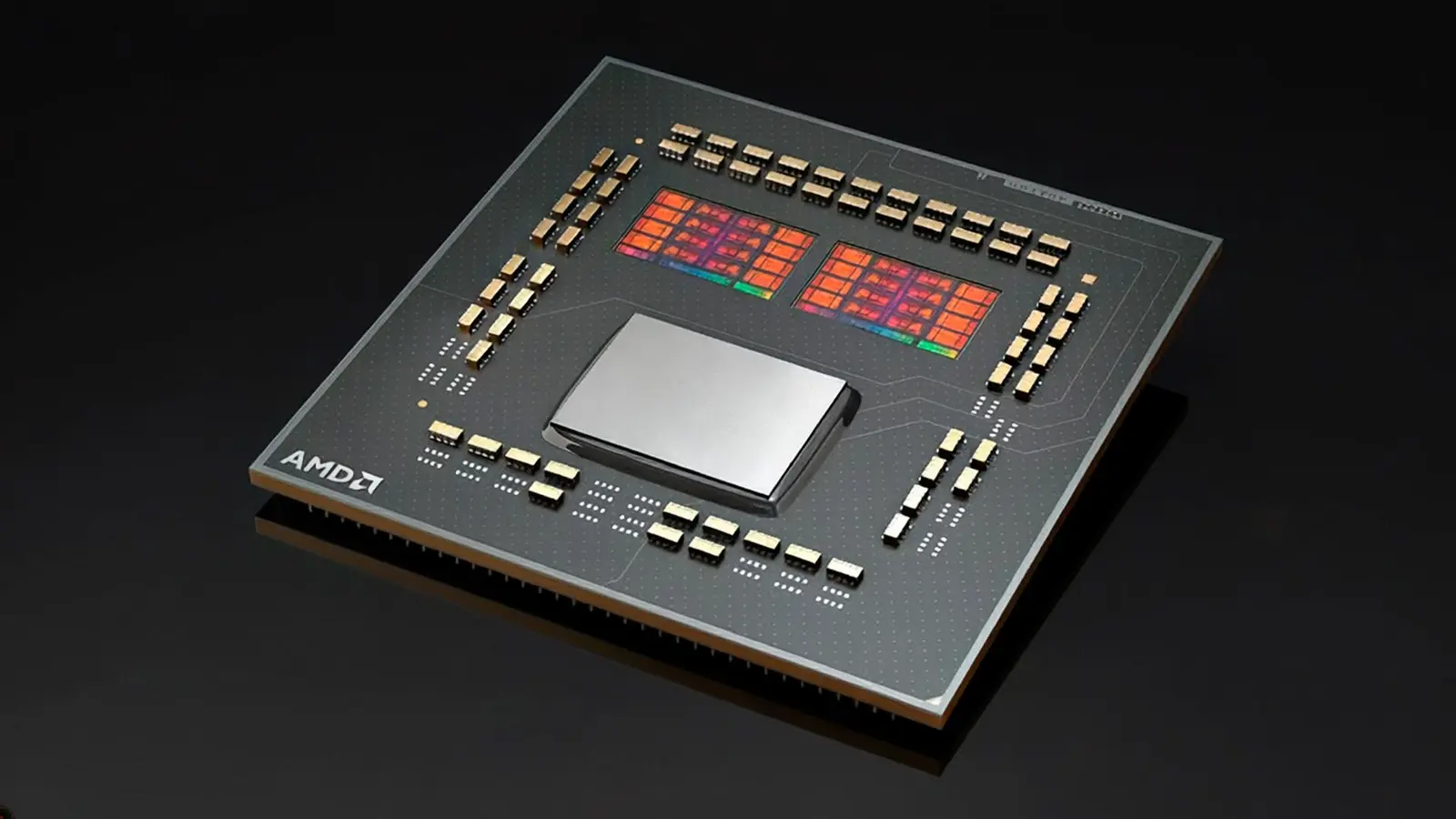 AMD's Canceled Ryzen 9 5900X3D Leaks Online
 California Subpoenas OpenAI Over Autonomous AI Hacking Risks
 Nvidia-Backed UK Supercomputer Faces Multi-Year Power Delay
Gallium nitride semiconductors offer immense potential for high-efficiency power conversion systems. However, designing these components requires precise physical modeling to prevent catastrophic failures under high-voltage stress. The newly detailed workflow integrates device-physics calibration with modern machine-learning techniques. This approach allows engineers to explore vast design spaces rapidly without relying solely on costly physical prototypes.
Can Machine Learning Accelerate Semiconductor Innovation?
Accurate simulation of p-GaN HEMTs demands rigorous attention to microscopic semiconductor behavior. The proposed methodology captures complex phenomena including gate leakage mechanisms and surface trap dynamics. By aligning simulation parameters with empirical device data, the framework accurately forecasts dynamic on-state resistance during high-frequency operation.
Predicting breakdown voltage remains one of the toughest challenges in power semiconductor engineering. The new workflow maps electric field distributions across the transistor structure under extreme stress. This granular insight helps developers optimize field-plate geometries and buffer layers to prevent premature device degradation.
Frequently Asked Questions
Integrating machine learning into TCAD workflows radically reduces the time required for design optimization. Instead of running slow, multidimensional physics simulations for every iteration, algorithms predict performance trends instantly. This computational leap empowers circuit designers to identify optimal trade-offs between switching losses and blocking voltage capability.
Implementing this predictive workflow promises to shorten development cycles for next-generation electric vehicle chargers and power supplies. As renewable energy grids demand higher efficiency, sophisticated modeling tools will ensure these wide-bandgap devices operate reliably at their absolute limits.
Comments
Leave a comment