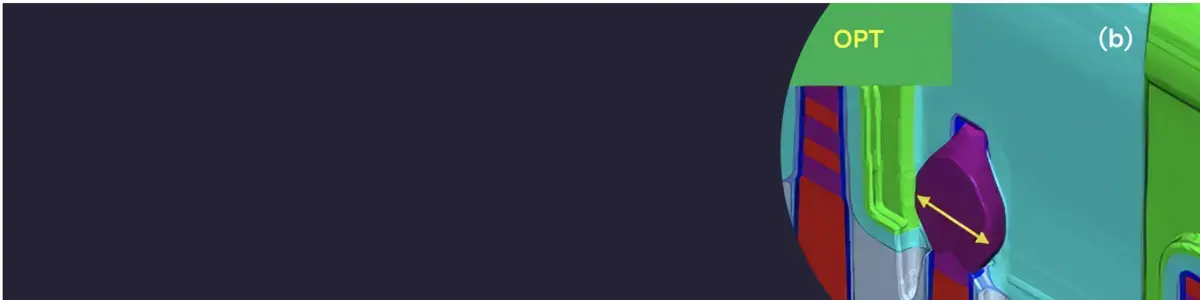
A Virtual Solution to a Real-World Problem
The global semiconductor industry is facing a significant challenge in manufacturing at advanced nodes. As transistors shrink to the size of a few atoms, tiny variations in the production process can have a major impact on yield. Engineers at leading chip manufacturers are turning to digital twins to overcome this hurdle.
Latest news
 Anker Unveils Playful 45W Charger With Animated Face Display
 Google Docs Web Version Still Missing Native Dark Mode
 Anthropic-Linked Vulnerability Exploited From China, Targets US and Japan
 Text‑Based AI Agents: Your New Digital Assistants
Digital twins allow engineers to simulate the entire GAA logic process upfront, minimizing costly wafer experiments and reducing the risk of costly rework. By applying machine learning to virtual data, engineers can simultaneously identify and address multiple critical failure modes. This approach has already shown impressive results, with yield increasing from 1.6% to 87.2%.
Can Digital Twins Crack the Yield Code?
The GAA logic process is a complex series of steps that requires precise control to produce high-quality transistors. However, tiny variations in temperature, pressure, and other factors can cause defects that lead to yield loss. Digital twins provide a virtual environment where engineers can test and refine the process without risking costly wafer experiments. By analyzing virtual data, engineers can identify the root causes of defects and make targeted improvements.
Frequently Asked Questions
The key to digital twins is the ability to model the complex interactions between different process variables. By using machine learning algorithms to analyze virtual data, engineers can identify patterns and correlations that would be difficult or impossible to detect in real-world experiments. This approach has already shown impressive results in reducing yield loss and increasing overall productivity.
As the industry continues to push the boundaries of what is possible with digital twins, the potential benefits are clear. By reducing the risk of costly rework and improving overall yield, manufacturers can increase their competitiveness and profitability. With digital twins, the future of advanced node manufacturing looks brighter than ever.
Comments
Leave a comment