Why Modularity Matters in Wearables
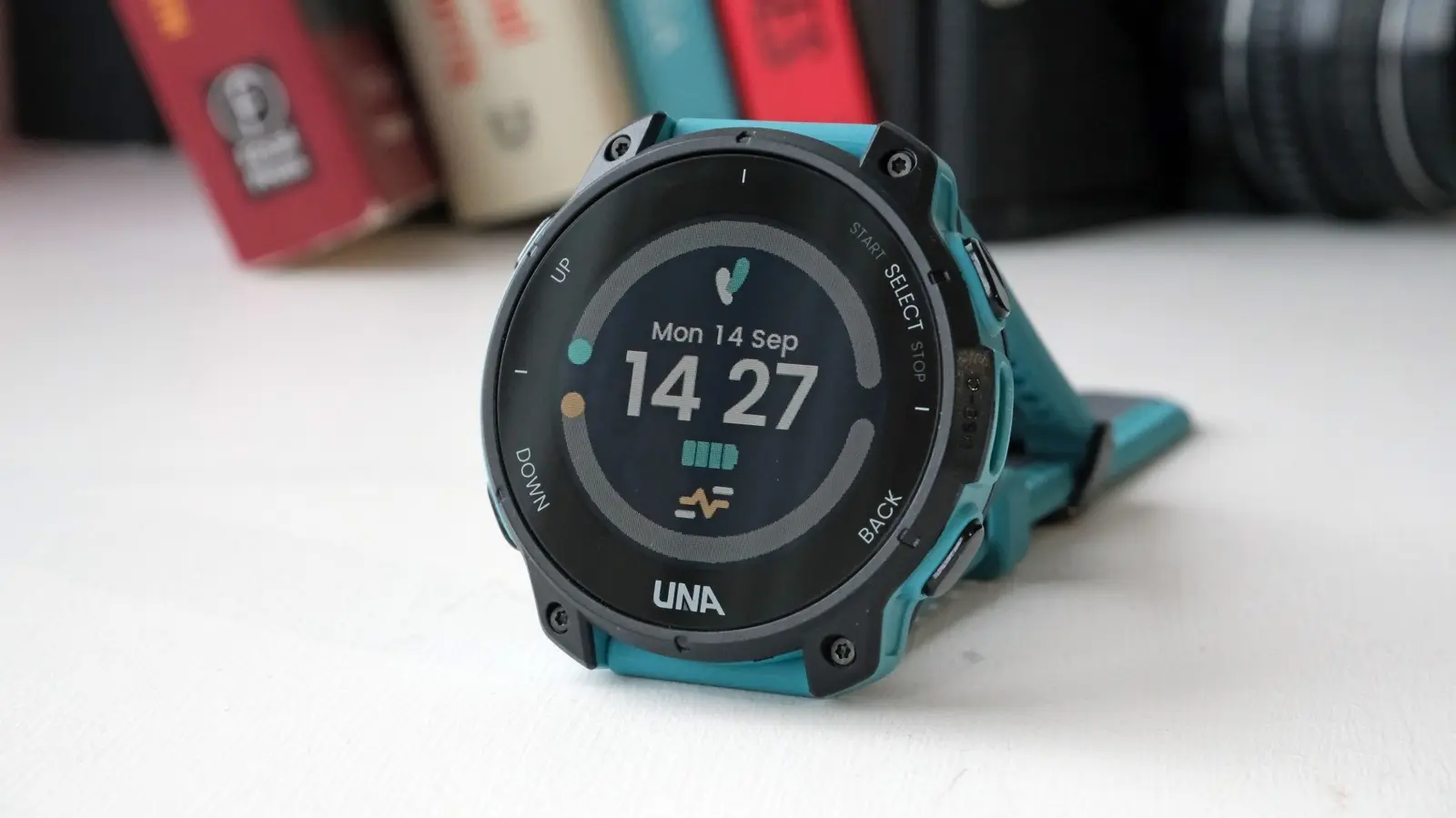
The Una watch, launched by a small Scottish startup, arrives on the market as a modular, repair‑friendly GPS smartwatch. Released in early 2026, the device targets consumers who value sustainability over cutting‑edge performance. Its design allows users to swap out components such as the battery, display, or sensor modules with minimal tools, making it the first mainstream watch to prioritize repairability.
Latest news
 Why Meta's New AI Tool Fails to Win Over Daily Users
 Assessing Risks in Open-Source Artificial Intelligence
 Autonomous AI Agents Launch Cyberattacks Against North American Government Portals
 Warlock Group Targets SharePoint Servers in Critical Infrastructure
The watch’s architecture is built around a detachable back panel that opens to reveal a small, replaceable core. The core houses the GPS chip, micro‑controller, and a 1.8‑inch OLED display. Users can remove the panel with a simple twist and replace the core with a new one if the battery drains or the display fails. The company claims that the modular approach cuts waste and extends the product’s lifespan by up to 50 % compared to typical smartwatches.
Is the Trade‑Off Worth It?
Sustainability has become a key selling point for new technology, and Una’s design reflects that trend. By allowing individual parts to be replaced, the watch reduces the need for full device replacements. The company’s CEO, Fiona MacLeod, explained that „most smartwatches are single‑use items; our goal was to give consumers a tool that can stay with them for years.” The watch also features a low‑power GPS chipset, which conserves battery life and reduces the frequency of charging.
However, the modular design introduces trade‑offs. The watch’s protective shell is thinner than that of competitors, making it more susceptible to scratches and minor drops. In lab tests, Una lost its water‑resistance rating from 5 ATM to 3 ATM when the back panel was removed for a repair. Despite this, the device still meets basic outdoor activity standards and can handle light hiking or cycling.
What Happens When the Core Fails?
Consumers who prioritize longevity may find the Una watch attractive. The price point—$299—places it in the mid‑range smartwatch market, below flagship models but above most entry‑level devices. The watch offers essential features such as heart‑rate monitoring, step counting, and offline maps. It lacks advanced sensors like an optical SpO₂ sensor or a built‑in accelerometer for sleep tracking, which are common in higher‑priced watches.
The modularity also simplifies repairs. Una provides a DIY repair kit that includes screwdrivers, a replacement core, and a quick‑start guide. The company estimates that a typical battery replacement takes less than ten minutes. This approach aligns with the growing „right‑to‑repair” movement, which advocates for consumer access to parts and tools.
Frequently Asked Questions
If the core’s GPS chip malfunctions, the entire module must be replaced. Una’s warranty covers core defects for one year, but the company advises users to keep spare cores on hand for critical missions. The modular design also means that software updates are delivered to the core, ensuring that the watch remains compatible with new features over time. However, the company has not yet announced a plan for firmware updates that could be applied to the display or battery modules independently.
In the long term, Una’s strategy could influence the broader smartwatch industry. By demonstrating that repairability can coexist with functionality, the startup may encourage larger manufacturers to adopt similar designs. If the watch proves popular, it could spark a shift toward more sustainable consumer electronics.
Comments
Leave a comment